
Eating Steamed Sweet Potatoes Every Day, Woman Panicked After Receiving Liver Test Results: How Could This Be?
Can Eating Sweet Potatoes Every Day Affect Your Health?
Health 06/06/2026 02:05
The brain is one of the most energy-demanding organs in the human body. Although it accounts for only a small percentage of total body weight, it requires a constant supply of oxygen and nutrients delivered through the bloodstream. Even brief interruptions in blood flow can affect how the brain functions.
Cerebral ischemia occurs when blood flow to part of the brain is reduced or blocked. Without adequate oxygen and nutrients, brain cells may become damaged. Depending on the severity and duration of the interruption, cerebral ischemia can lead to temporary symptoms, long-term complications, or medical emergencies such as stroke.
Understanding the potential risks associated with cerebral ischemia and learning how to reduce them may help protect long-term brain health.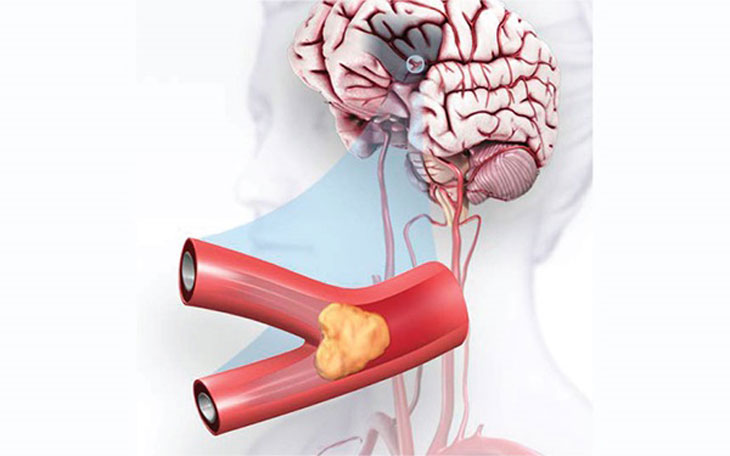
The term "cerebral" refers to the brain, while "ischemia" refers to reduced blood flow.
Cerebral ischemia occurs when the brain does not receive enough blood.
Blood carries:
Oxygen
Glucose
Nutrients
Brain cells depend on a continuous supply of these substances to survive and function properly.
Several conditions may contribute, including:
Narrowed arteries
Blood clots
High blood pressure
Heart disease
Atherosclerosis
The severity of symptoms depends on how much blood flow is affected and how quickly treatment is received.
Symptoms can vary widely.
Sudden weakness
Difficulty speaking
Facial drooping
Vision changes
Loss of balance
Confusion
Severe headache
Any sudden neurological symptoms should be treated as a medical emergency.
One of the most serious complications of cerebral ischemia is stroke.
If blood flow becomes completely blocked, brain cells begin to die.
Paralysis
Speech difficulties
Memory problems
Disability
The sooner treatment begins, the greater the chance of preserving brain tissue.
This is why emergency evaluation is critical.
Reduced blood flow may affect areas of the brain involved in thinking and memory.
Forgetfulness
Difficulty concentrating
Slower thinking
Reduced problem-solving abilities
Repeated episodes of reduced blood flow may contribute to cognitive impairment over time.
Maintaining healthy circulation is important for preserving brain function as we age.
The brain controls movement, posture, and coordination.
People may experience:
Dizziness
Unsteadiness
Frequent falls
Coordination difficulties
Falls can lead to serious injuries, particularly in older adults.
Prompt evaluation may help identify underlying causes.
The brain processes visual information received from the eyes.
Blurred vision
Double vision
Partial vision loss
Temporary vision changes
Vision symptoms should never be ignored, especially when they occur suddenly.
The brain has limited ability to regenerate damaged cells.
Prolonged oxygen deprivation may result in:
Permanent neurological deficits
Loss of function
Long-term disability
Preventing severe episodes remains one of the most important goals of treatment.
Several factors increase the likelihood of cerebral ischemia.
High blood pressure
Diabetes
High cholesterol
Smoking
Obesity
Heart disease
Physical inactivity
Many of these risk factors can be improved through lifestyle changes.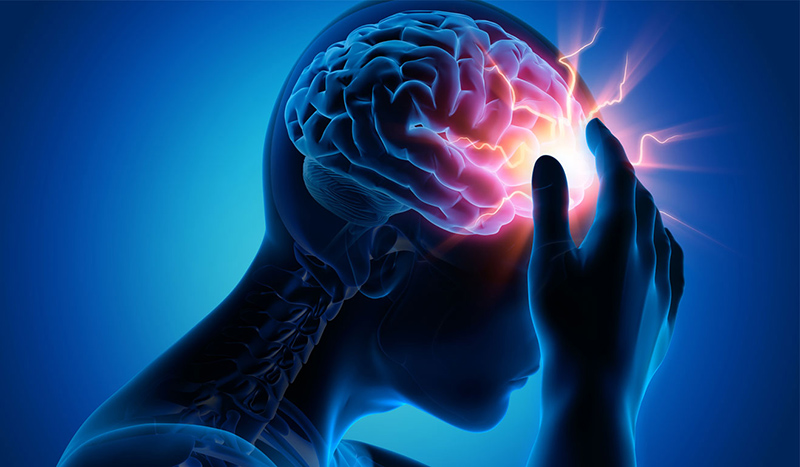
Some people experience temporary interruptions in blood flow known as transient ischemic attacks.
Symptoms may resemble stroke symptoms but resolve within a short period.
Even if symptoms disappear, medical evaluation is essential.
A TIA can be an early warning sign of future stroke risk.
Healthcare providers use several tools to evaluate blood flow to the brain.
Doctors ask about:
Symptoms
Timing
Risk factors
May include:
CT scans
MRI scans
Vascular imaging
Can help identify contributing factors.
Accurate diagnosis guides appropriate treatment.
While not all cases can be prevented, many risk factors can be managed.
High blood pressure is one of the leading risk factors.
Elevated pressure damages blood vessels over time.
Reduce sodium intake
Exercise regularly
Follow medical advice
Excess cholesterol can contribute to plaque buildup in arteries.
Balanced nutrition
Regular exercise
Medication when prescribed
Healthy arteries support healthy blood flow.
Exercise benefits the cardiovascular system.
Improved circulation
Better blood pressure control
Weight management
Even moderate activity may provide meaningful health benefits.
Smoking damages blood vessels and increases clotting risk.
Improved circulation
Reduced cardiovascular risk
Better overall health
Quitting smoking is one of the most effective prevention measures available.
Diabetes can damage blood vessels throughout the body.
Monitor blood sugar
Follow treatment plans
Maintain healthy eating habits
Good blood sugar control supports vascular health.
Nutrition influences many risk factors associated with cerebral ischemia.
Fruits
Vegetables
Whole grains
Fish
Nuts
Legumes
Excess sodium
Highly processed foods
Excess added sugars
A balanced diet supports both heart and brain health.
Poor sleep has been linked to several cardiovascular risk factors.
Better blood pressure regulation
Improved metabolism
Reduced inflammation
Most adults benefit from 7–9 hours of sleep per night.
Chronic stress may contribute to elevated blood pressure and other health concerns.
Meditation
Deep breathing
Physical activity
Social support
Stress management supports overall wellness.
Immediate medical attention is needed if someone develops:
Sudden weakness
Facial drooping
Speech difficulty
Vision loss
Severe dizziness
Confusion
Rapid treatment can save brain tissue and improve outcomes.
Although risk increases with age, younger individuals can also be affected.
Some episodes are temporary but still require evaluation.
In some cases, warning signs such as TIAs occur beforehand.
Many major risk factors are modifiable.
The earlier circulation problems are identified, the more opportunities exist to reduce complications.
Routine medical checkups can help detect:
High blood pressure
Diabetes
Cholesterol abnormalities
Managing these conditions may significantly reduce risk.
Cerebral ischemia occurs when the brain receives insufficient blood flow, reducing the delivery of oxygen and nutrients that brain cells need to function. If left untreated, it may increase the risk of stroke, cognitive decline, coordination problems, vision disturbances, and permanent neurological damage.
The encouraging news is that many risk factors are manageable. Maintaining healthy blood pressure, controlling cholesterol and blood sugar, staying physically active, avoiding smoking, eating a balanced diet, and seeking prompt medical attention for warning signs can all help support long-term brain health.
The brain depends on a steady supply of blood every second of every day. Taking steps to protect the health of your blood vessels today may help safeguard your cognitive function, independence, and quality of life for years to come.
Can Eating Sweet Potatoes Every Day Affect Your Health?
5 Daily Habits That Can Support Healthy Bl00d Pressure and Better Circulation

These 3 Nutrient-Rich Fruits May Help Protect the Liver While Supporting Sugar and Cholesterol Balance

You May Not Need Supplements If You Eat This Common Food 🐔👇
Peanuts Are Nutritious, But Here’s What Really Happens When You Eat Them
What’s Really Behind That Pain in Your Hip?

The Daily Cucumber Habit: Here's What You Need to Know 🥒

What Prominent Neck Veins May Reveal About Your Health

Separate Beds, Strong Relationship? Why Many Couples Make the Switch After 50

5 Morning Symptoms That Could Be Warning Signs of an Underlying Can.cer
Your Lungs Could Be Sending Warning Signs While You Sleep 👇
A Sore Throat Was the First Sign of Something Serious 😨 Here's What Doctors Want People to Know

Doctors reveal that eating bananas before bed can lead to... See more

These vegetables deliver powerful nutrients for everyday wellness.

5 Types of People Who May Need to Limit Their Shrimp Consumption

Give up these 7 habits that may “feed” can.cer ce.lls

Persistent itching and unusual bumps may signal hidden skin issues.
Could Your Feet Be Warning You About Your Liver? Here's What Experts Say

Changes in nail appearance may reveal more than signs of aging.
Can Eating Sweet Potatoes Every Day Affect Your Health?
5 Daily Habits That Can Support Healthy Bl00d Pressure and Better Circulation
These 3 Nutrient-Rich Fruits May Help Protect the Liver While Supporting Sugar and Cholesterol Balance
You May Not Need Supplements If You Eat This Common Food 🐔👇
Peanuts Are Nutritious, But Here’s What Really Happens When You Eat Them
What’s Really Behind That Pain in Your Hip?
The Daily Cucumber Habit: Here's What You Need to Know 🥒
What Prominent Neck Veins May Reveal About Your Health
Separate Beds, Strong Relationship? Why Many Couples Make the Switch After 50

🍳 One Breakfast Habit That Could Have a Bigger Impact on Your Health Than You Think
5 Morning Symptoms That Could Be Warning Signs of an Underlying Can.cer

Have You Ever Seen an Insect Like This? I Found It in My Son's Hair 😳
Your Lungs Could Be Sending Warning Signs While You Sleep 👇
A Sore Throat Was the First Sign of Something Serious 😨 Here's What Doctors Want People to Know
Doctors reveal that eating bananas before bed can lead to... See more
These vegetables deliver powerful nutrients for everyday wellness.
5 Types of People Who May Need to Limit Their Shrimp Consumption
Give up these 7 habits that may “feed” can.cer ce.lls
Persistent itching and unusual bumps may signal hidden skin issues.