For generations, sharing a bed has been viewed as one of the defining symbols of a close and healthy relationship. Movies, television shows, and social expectations often reinforce the idea that happy couples naturally sleep together every night.
However, many couples discover that as they grow older, their sleeping needs begin to change. By the time people reach their 50s, 60s, and beyond, factors such as health conditions, sleep habits, changing schedules, and personal comfort often play a larger role in determining how—and where—they sleep.
As a result, an increasing number of long-term couples are choosing to sleep in separate beds or even separate bedrooms. Surprisingly, many relationship experts and sleep specialists suggest that this decision does not necessarily indicate relationship problems. In some cases, it may actually improve both sleep quality and relationship satisfaction.
So why are more couples making this choice after age 50? Let's explore the most common reasons.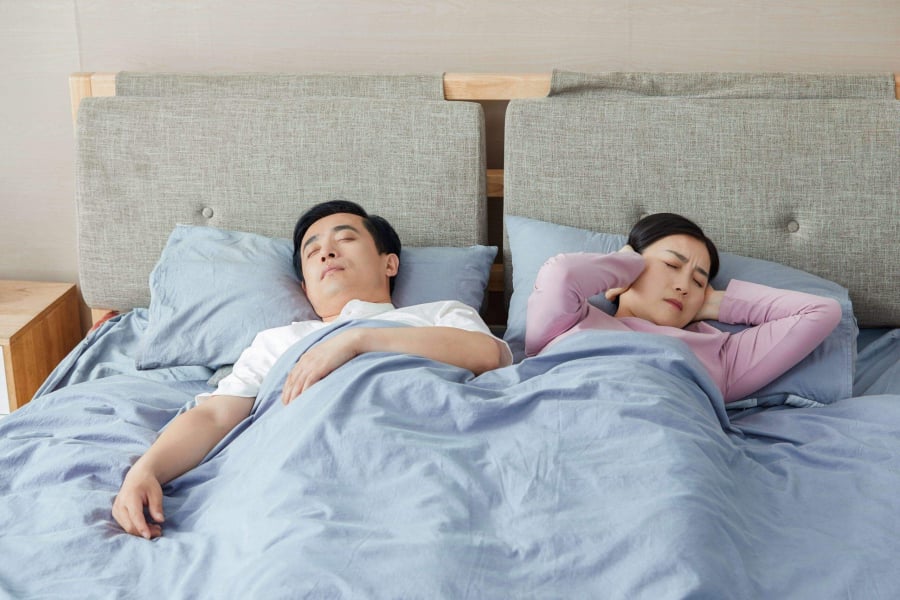
The Importance of Sleep as We Age
Sleep becomes increasingly valuable with age.
Quality sleep helps support:
-
Brain function
-
Memory
-
Immune health
-
Heart health
-
Mood regulation
-
Energy levels
Unfortunately, aging often brings changes that make uninterrupted sleep more difficult.
Many adults over 50 experience:
-
Lighter sleep
-
More nighttime awakenings
-
Increased sensitivity to noise
-
Medical conditions that disrupt sleep
When two people with different sleep needs share a bed, getting sufficient rest can become challenging.
Reason #1: Snoring Becomes More Common
One of the biggest reasons couples choose separate sleeping arrangements is snoring.
Why Snoring Increases With Age
As people age, changes in muscle tone and airway structure can increase the likelihood of snoring.
Factors that contribute include:
-
Weight gain
-
Nasal congestion
-
Sleep apnea
-
Changes in throat muscles
The Impact on a Partner
Even moderate snoring can significantly disrupt sleep.
A partner may experience:
-
Frequent awakenings
-
Difficulty falling asleep
-
Reduced sleep quality
-
Daytime fatigue
Over time, repeated sleep interruptions can affect mood, concentration, and overall well-being.
Reason #2: Different Sleep Schedules
Many couples discover that their internal clocks change over time.
Common Examples
One partner may:
-
Go to bed early
-
Wake up before sunrise
While the other may:
-
Stay awake later
-
Prefer sleeping in
These differing schedules can create repeated disturbances when sharing a bed.
The Result
Separate sleeping spaces may allow both partners to follow their preferred routines without disrupting each other's rest.
Reason #3: Increased Sensitivity to Movement
Many older adults become lighter sleepers.
What Happens
One partner may wake up every time the other:
-
Turns over
-
Gets out of bed
-
Adjusts blankets
-
Visits the bathroom
Even minor movements can disturb sleep.
Why It Matters
Repeated interruptions can prevent deep restorative sleep, leaving both partners feeling tired the next day.
Reason #4: Medical Conditions Affect Sleep
Health conditions become more common with age and often influence sleeping arrangements.
Common Examples
-
Arthritis
-
Chronic pain
-
Acid reflux
-
Restless leg syndrome
-
Sleep apnea
-
Frequent urination
These issues may require:
-
Special sleeping positions
-
Adjustable beds
-
Frequent nighttime movement
Separate beds can sometimes provide greater flexibility and comfort.
Reason #5: Temperature Preferences Change
Temperature plays a major role in sleep quality.
A Common Problem
One partner may prefer:
-
A cool room
-
Thin blankets
While the other may prefer:
-
Warmer temperatures
-
Extra bedding
Why This Causes Conflict
Constant disagreements about room temperature can negatively affect sleep quality for both individuals.
Separate sleeping arrangements allow each person to create a more comfortable environment.
Reason #6: Menopause and Hormonal Changes
For many women, menopause significantly affects sleep.
Common Symptoms
-
Hot flashes
-
Night sweats
-
Difficulty staying asleep
-
Increased sensitivity to temperature
These symptoms can disrupt both partners' sleep.
Some couples find that separate sleeping spaces reduce disturbances and improve rest for everyone involved.
Reason #7: Sleep Becomes a Health Priority
By age 50 and beyond, many people become more aware of the relationship between sleep and health.
Research consistently links poor sleep with increased risks of:
-
High blood pressure
-
Heart disease
-
Obesity
-
Diabetes
-
Depression
As a result, some couples prioritize sleep quality over traditional sleeping arrangements.
For them, separate beds become a practical health decision rather than an emotional one.
Does Sleeping Separately Mean the Relationship Is in Trouble?
Not necessarily.
This is perhaps the biggest misconception surrounding separate sleeping arrangements.
What Relationship Experts Say
Many experts emphasize that emotional intimacy and physical proximity are not always the same thing.
A couple may:
-
Sleep separately
-
Spend plenty of quality time together
-
Maintain a strong emotional connection
-
Enjoy a satisfying relationship
In fact, better sleep can sometimes improve patience, communication, and overall relationship satisfaction.
Why Better Sleep Matters
Poor sleep can contribute to:
-
Irritability
-
Mood swings
-
Increased conflict
-
Reduced energy
When both partners sleep better, daily interactions often improve.
The Rise of "Sleep Divorce"
A growing trend known as "sleep divorce" has received increasing attention in recent years.
Despite the dramatic name, the concept simply refers to couples choosing separate sleeping arrangements to improve sleep quality.
This may involve:
-
Separate beds in the same room
-
Separate bedrooms
-
Alternating sleeping locations
For many couples, the goal is not separation but healthier rest.
Benefits Some Couples Report
Couples who choose separate beds often report:
Better Sleep Quality
Fewer interruptions throughout the night.
Improved Mood
More restful sleep may lead to better emotional regulation.
Increased Energy
Adequate sleep supports physical and mental performance.
Less Resentment
Reduced frustration over snoring, movement, or schedule differences.
Greater Personal Comfort
Each partner can customize their sleeping environment.
Potential Challenges
While separate sleeping arrangements work well for some couples, they may not be ideal for everyone.
Potential concerns include:
-
Reduced physical closeness
-
Emotional misunderstandings
-
Social stigma
-
Feelings of rejection if not discussed openly
Communication is essential.
Couples should discuss expectations and ensure both partners feel comfortable with any changes.
Ways to Maintain Intimacy
Sleeping separately does not mean sacrificing connection.
Many couples maintain intimacy by:
-
Spending time together before bed
-
Sharing morning routines
-
Planning regular date nights
-
Communicating openly
-
Showing affection throughout the day
Strong relationships are built on much more than sleeping arrangements.
When to Consider Medical Evaluation
Sometimes sleep disruptions indicate underlying medical issues.
A healthcare provider should be consulted if either partner experiences:
-
Loud snoring
-
Breathing pauses during sleep
-
Severe daytime fatigue
-
Persistent insomnia
-
Restless sleep
-
Frequent nighttime awakenings
Treating the underlying condition may improve sleep quality and reduce the need for separate sleeping arrangements.
Final Thoughts
As couples age, their sleep needs often evolve. Snoring, medical conditions, changing schedules, hormonal shifts, and increased sensitivity to disturbances can all make sharing a bed more challenging than it once was.
For many couples over 50, choosing separate beds is not a sign of relationship trouble. Instead, it may be a practical strategy for improving sleep quality, protecting health, and enhancing daily well-being.
Every relationship is unique. What matters most is not whether a couple shares the same bed, but whether they continue to support, respect, and connect with one another. In many cases, a good night's sleep may actually strengthen a relationship rather than weaken it.