Healthy blood pressure and efficient circulation are essential for overall well-being. Every second of every day, the heart pumps blood through a vast network of arteries, veins, and capillaries, delivering oxygen and nutrients to tissues throughout the body.
When blood pressure becomes elevated or circulation becomes impaired, the risk of serious health conditions—including heart disease, stroke, kidney disease, and vascular problems—can increase significantly.
The good news is that many factors affecting blood pressure and circulation are influenced by daily habits. Small lifestyle changes practiced consistently over time can have a meaningful impact on cardiovascular health.
While these habits are not a substitute for medical treatment when needed, they can play an important role in supporting a healthy circulatory system.
Here are five daily habits that may help promote healthy blood pressure and better circulation.
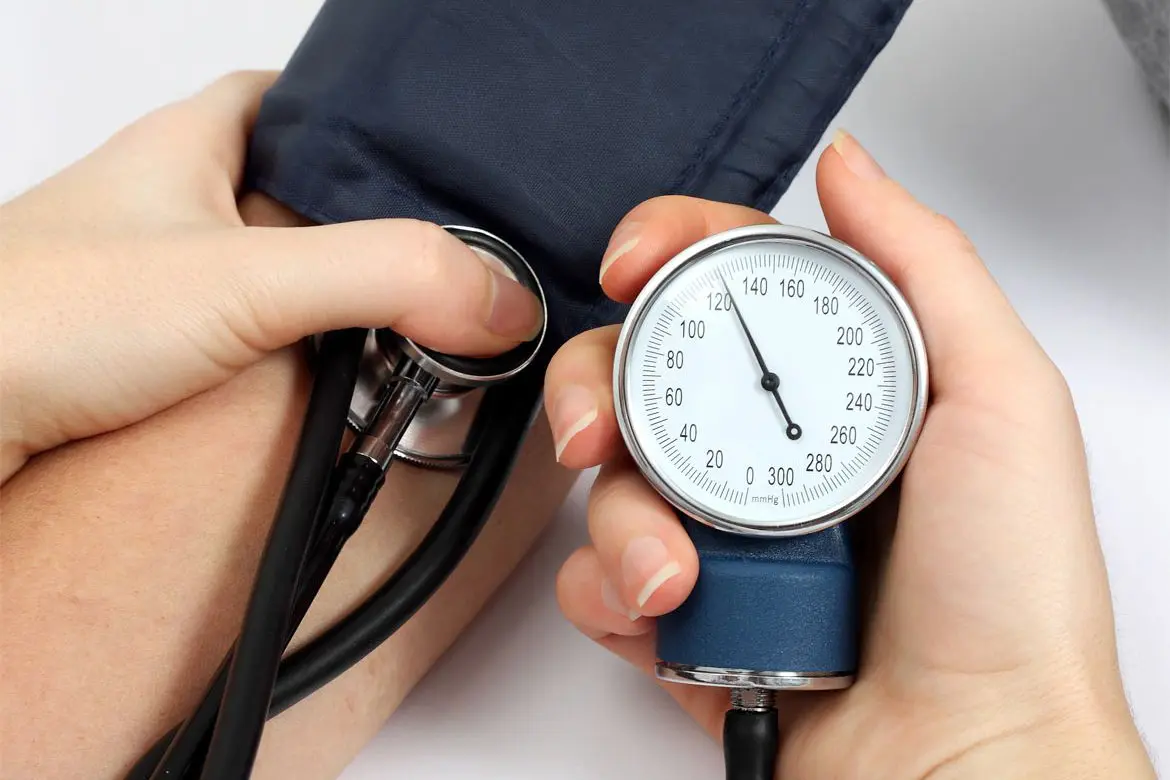
Why Blood Pressure and Circulation Matter
Blood pressure refers to the force exerted by blood against artery walls as the heart pumps.
Circulation refers to the movement of blood throughout the body.
Together, they help:
-
Deliver oxygen to organs and tissues
-
Transport nutrients
-
Remove waste products
-
Support brain function
-
Maintain healthy organ performance
Problems with blood pressure or circulation may lead to symptoms such as:
-
Fatigue
-
Dizziness
-
Cold hands and feet
-
Swelling
-
Shortness of breath
-
Chest discomfort
Over time, uncontrolled cardiovascular issues can contribute to more serious complications.
Habit #1: Move Your Body Every Day
Why Physical Activity Matters
Exercise is one of the most effective lifestyle tools for supporting cardiovascular health.
Regular movement helps:
-
Improve blood vessel function
-
Enhance circulation
-
Support healthy blood pressure
-
Strengthen the heart muscle
When muscles contract during activity, they help pump blood back toward the heart, improving overall circulation.
Simple Activities That Help
You don't need intense workouts to experience benefits.
Examples include:
-
Walking
-
Cycling
-
Swimming
-
Dancing
-
Gardening
-
Light jogging
Even short periods of activity throughout the day can contribute to better circulation.
The Problem With Sitting Too Long
Prolonged sitting can slow circulation, especially in the legs.
Taking brief movement breaks every hour can help improve blood flow.
Habit #2: Eat a Heart-Friendly Diet
Nutrition Plays a Major Role
What you eat directly affects blood vessels, cholesterol levels, inflammation, and blood pressure.
A balanced diet helps support healthy circulation and cardiovascular function.
Focus on Nutrient-Rich Foods
Consider incorporating more:
-
Vegetables
-
Fruits
-
Whole grains
-
Legumes
-
Nuts
-
Seeds
-
Lean proteins
These foods provide fiber, vitamins, minerals, and antioxidants that support vascular health.
Limit Excess Sodium
Excess sodium intake may contribute to elevated blood pressure in some individuals.
Common sources include:
-
Processed foods
-
Fast food
-
Packaged snacks
-
Processed meats
Reading nutrition labels can help reduce unnecessary sodium consumption.
Include Potassium-Rich Foods
Potassium helps regulate fluid balance and supports healthy blood pressure.
Examples include:
-
Bananas
-
Sweet potatoes
-
Spinach
-
Beans
-
Avocados
Individuals with kidney disease should consult their healthcare provider before increasing potassium intake.
Habit #3: Stay Properly Hydrated
Water Supports Circulation
Blood consists largely of water.
When hydration levels are adequate, blood can flow more efficiently throughout the body.
Signs of Dehydration
Mild dehydration may contribute to:
-
Fatigue
-
Dizziness
-
Headaches
-
Reduced circulation efficiency
Practical Hydration Tips
-
Drink water consistently throughout the day.
-
Increase fluid intake during hot weather.
-
Consume water-rich fruits and vegetables.
-
Monitor urine color as a general hydration indicator.
Hydration needs vary from person to person based on activity level, climate, and health status.
Habit #4: Manage Daily Stress
The Blood Pressure Connection
Stress activates the body's "fight-or-flight" response.
During this response:
-
Heart rate increases
-
Blood vessels constrict
-
Blood pressure may rise
Occasional stress is normal, but chronic stress can negatively affect cardiovascular health.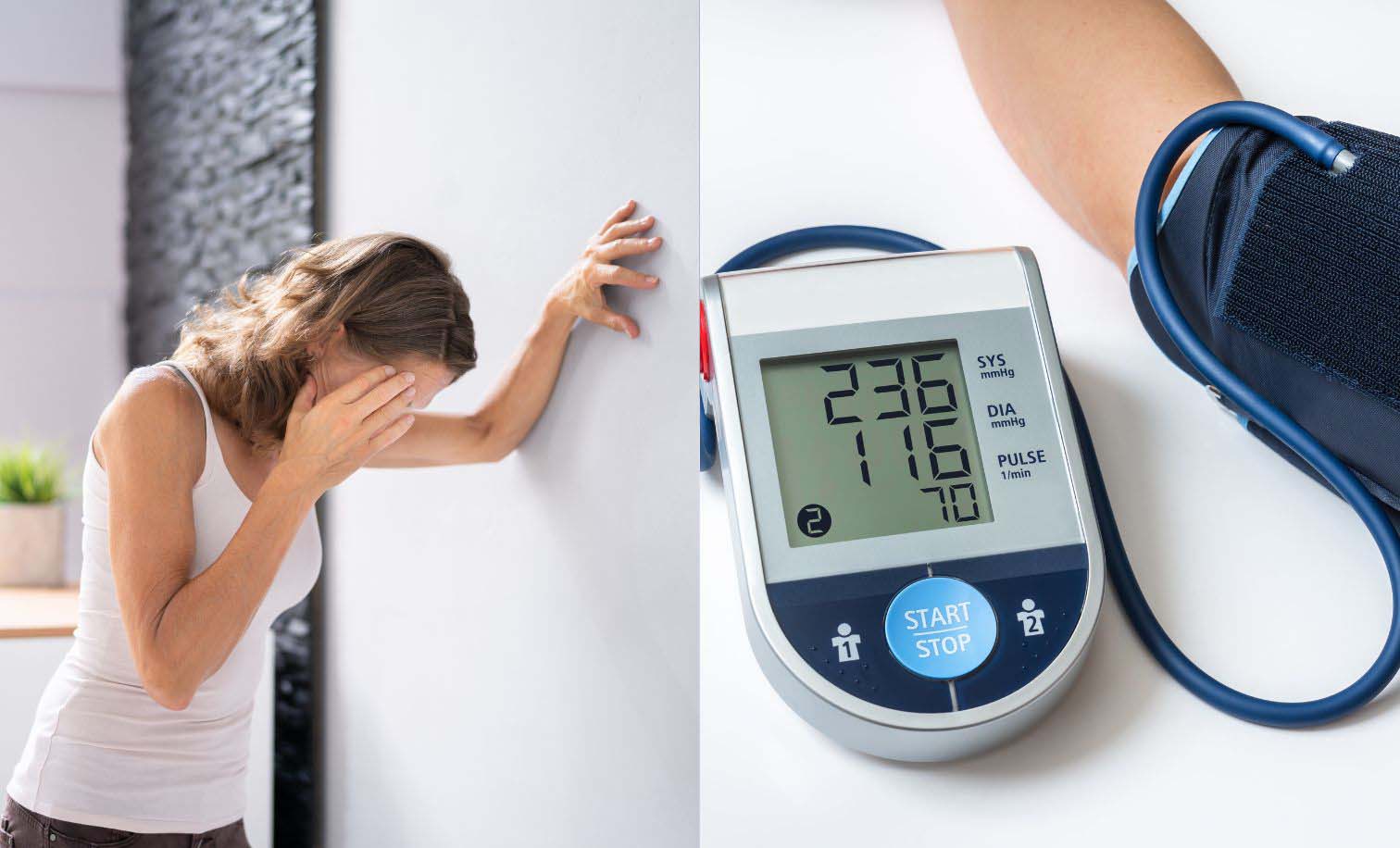
Healthy Stress-Management Techniques
Helpful approaches include:
-
Deep breathing exercises
-
Meditation
-
Yoga
-
Journaling
-
Spending time outdoors
-
Listening to music
-
Connecting with family and friends
Sleep Also Matters
Stress and poor sleep often occur together.
Improving sleep quality can help support healthier blood pressure levels.
Habit #5: Prioritize Quality Sleep
Sleep and Cardiovascular Health
During sleep, the body performs important repair and recovery processes.
Poor sleep has been associated with:
-
Elevated blood pressure
-
Increased inflammation
-
Reduced vascular health
-
Higher cardiovascular risk
Signs You May Need Better Sleep
-
Waking up tired
-
Frequent nighttime awakenings
-
Difficulty falling asleep
-
Excessive daytime fatigue
Building Better Sleep Habits
Consider:
-
Maintaining a consistent bedtime
-
Limiting screen exposure before bed
-
Creating a comfortable sleep environment
-
Avoiding excessive caffeine late in the day
Most adults benefit from seven to nine hours of quality sleep each night.
Additional Habits That Support Circulation
Beyond the five primary habits discussed above, several other practices may help.
Avoid Smoking
Smoking damages blood vessels and reduces circulation efficiency.
Maintain a Healthy Weight
Excess body weight can place additional strain on the heart and circulatory system.
Limit Excessive Alcohol Intake
Moderation is important for cardiovascular health.
Monitor Blood Pressure Regularly
Regular monitoring helps identify changes before complications develop.
Follow Medical Advice
Individuals with hypertension or vascular disease should continue prescribed treatment plans.
Common Signs of Circulation Problems
Recognizing potential symptoms early may encourage timely medical evaluation.
Possible signs include:
-
Cold hands or feet
-
Leg swelling
-
Numbness or tingling
-
Slow wound healing
-
Muscle cramps
-
Varicose veins
-
Fatigue during physical activity
These symptoms can result from various conditions and should be discussed with a healthcare provider when persistent.
When to Seek Medical Attention
Lifestyle habits are valuable, but some symptoms require professional evaluation.
Seek medical advice if you experience:
-
Consistently elevated blood pressure
-
Chest pain
-
Severe shortness of breath
-
Sudden swelling
-
Dizziness or fainting
-
Persistent leg pain
Early intervention often improves long-term outcomes.
The Power of Consistency
One of the biggest misconceptions about cardiovascular health is that major changes are required to see results.
In reality, consistent daily habits often have the greatest impact.
Small improvements practiced regularly can support:
-
Healthier blood vessels
-
Better circulation
-
Improved blood pressure control
-
Enhanced overall well-being
The key is sustainability rather than perfection.
Final Thoughts
Healthy blood pressure and efficient circulation are foundational to long-term health. While genetics and medical conditions can influence cardiovascular risk, daily habits play a powerful role in supporting the circulatory system.
Regular physical activity, heart-friendly nutrition, proper hydration, stress management, and quality sleep are five simple yet effective habits that may help maintain healthy blood pressure and promote better circulation.
No single habit can guarantee perfect health, but together these lifestyle choices create a strong foundation for cardiovascular wellness. By making these practices part of your daily routine, you can take meaningful steps toward protecting your heart, blood vessels, and overall quality of life.