When people think about liver problems, they often imagine symptoms such as abdominal discomfort, jaundice, or abnormal blood test results. However, the liver is involved in hundreds of essential processes throughout the body, and when it becomes damaged, symptoms can sometimes appear in unexpected places—including the feet.
The feet may not seem connected to the liver at first glance, but certain changes affecting the feet and ankles can occasionally reflect problems with circulation, fluid balance, and protein production, all of which are influenced by liver function.
It is important to remember that foot symptoms alone cannot diagnose liver disease. Many conditions can cause similar changes. Nevertheless, persistent or unexplained symptoms deserve attention, particularly if other signs of liver problems are present.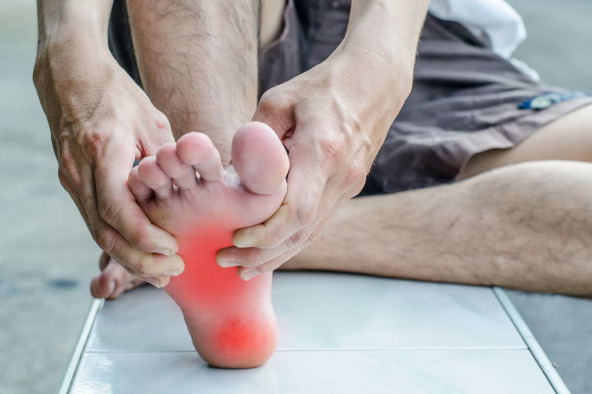
Why the Liver Is So Important
The liver is one of the body's hardest-working organs.
Key Functions Include
-
Filtering toxins
-
Processing nutrients
-
Producing proteins
-
Supporting blood clotting
-
Regulating metabolism
-
Producing bile for digestion
When liver function declines significantly, these processes may be affected.
As a result, symptoms can develop throughout the body.
How Liver Problems May Affect the Feet
One of the liver's important roles is helping maintain proper fluid balance.
When Liver Function Declines
The body may:
-
Retain excess fluid
-
Experience circulation changes
-
Develop protein imbalances
These effects can contribute to symptoms in the lower extremities.
Foot Change #1: Swelling of the Feet and Ankles
One of the most common foot-related symptoms associated with advanced liver disease is swelling.
What Is Edema?
Edema refers to fluid accumulation in body tissues.
Common Signs
-
Puffy feet
-
Swollen ankles
-
Tight shoes
-
Sock marks that remain for hours
Why It May Occur
The liver produces albumin, a protein that helps keep fluid inside blood vessels.
When albumin levels become low, fluid may leak into surrounding tissues.
Important Note
Swelling can also be caused by:
-
Heart conditions
-
Kidney disease
-
Venous insufficiency
-
Certain medications
A medical evaluation is necessary to determine the cause.
Foot Change #2: Persistent Itching
Many people are surprised to learn that liver conditions may sometimes contribute to itching.
Why It Happens
Researchers believe that changes involving bile flow and certain substances in the bloodstream may play a role.
Symptoms
-
Persistent itching
-
Worsening symptoms at night
-
Itching without a visible rash
Areas Commonly Affected
-
Feet
-
Legs
-
Hands
-
Entire body
Persistent unexplained itching should not be ignored.
Foot Change #3: Changes in Skin Color
The skin on the feet may occasionally show unusual color changes.
Possible Changes Include
-
Yellowish discoloration
-
Darkening
-
Pale appearance
Why This Matters
Liver disease can sometimes influence:
-
Bilirubin levels
-
Circulation
-
Skin pigmentation
Any significant skin color changes should be evaluated by a healthcare professional.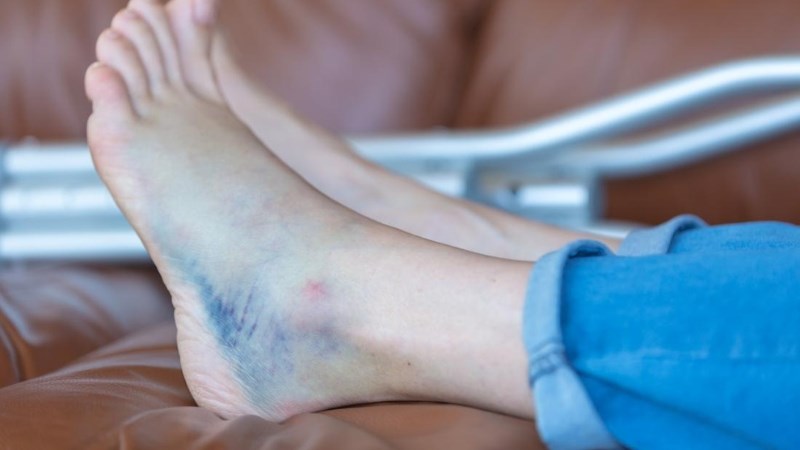
Foot Change #4: Easy Bruising
The liver helps produce proteins involved in blood clotting.
When Liver Function Declines
Bruising may occur more easily.
What You Might Notice
-
Bruises appearing after minor bumps
-
Bruises taking longer to heal
-
Increased bleeding tendency
Although bruising may occur on any part of the body, the feet and lower legs are often exposed to minor injuries.
Foot Change #5: Small Blood Vessel Changes
Some individuals with advanced liver disease develop visible changes in small blood vessels.
Possible Appearance
-
Tiny red or purple vessels
-
Spider-like patterns
-
Increased visibility of superficial blood vessels
These findings are not unique to liver disease but may be part of a broader clinical picture.
Understanding Fatty Liver Disease
Fatty liver disease occurs when excess fat accumulates within liver cells.
Types Include
-
Non-alcoholic fatty liver disease (NAFLD)
-
Alcohol-related liver disease
Early Stages
Many people experience no symptoms at all.
Advanced Stages
Some individuals may develop:
-
Inflammation
-
Fibrosis
-
Cirrhosis
This progression often occurs gradually over many years.
Other Symptoms That May Accompany Foot Changes
Foot symptoms rarely occur in isolation.
Additional Signs Sometimes Associated With Liver Problems
-
Fatigue
-
Loss of appetite
-
Abdominal swelling
-
Nausea
-
Unexplained weight loss
-
Yellowing of the skin or eyes
-
Easy bruising
These symptoms should be discussed with a healthcare provider.
Why Cirrhosis Can Cause Swelling
Cirrhosis refers to advanced scarring of the liver.
What Happens?
Scar tissue interferes with normal blood flow through the liver.
Consequences May Include
-
Increased pressure in blood vessels
-
Fluid retention
-
Swelling in the abdomen
-
Swelling in the legs and feet
Not everyone with cirrhosis develops noticeable swelling, but it is a common feature.
Who Is at Higher Risk of Fatty Liver Disease?
Several factors increase risk.
Common Risk Factors
-
Obesity
-
Type 2 diabetes
-
High cholesterol
-
Metabolic syndrome
-
Excess alcohol consumption
Many people with fatty liver disease are unaware they have it.
Can Foot Swelling Always Be Blamed on the Liver?
Absolutely not.
Many causes of foot swelling are unrelated to liver health.
Common Alternative Causes
-
Standing for long periods
-
Hot weather
-
Pregnancy
-
Kidney disease
-
Heart conditions
-
Poor circulation
This is why proper diagnosis is important.
When Should You See a Doctor?
Medical evaluation may be appropriate if foot symptoms:
-
Persist
-
Worsen over time
-
Occur alongside other symptoms
-
Affect daily activities
Prompt assessment may help identify the underlying cause.
How Doctors Evaluate Liver Health
Healthcare providers may use several tools.
Blood Tests
Can assess:
-
Liver enzymes
-
Albumin levels
-
Bilirubin
Imaging Studies
Examples include:
-
Ultrasound
-
CT scans
-
MRI
Fibrosis Assessment
Specialized tests may help evaluate liver scarring.
Protecting Liver Health
The good news is that many liver conditions are influenced by lifestyle factors.
Healthy Habits Include
-
Maintaining a healthy weight
-
Exercising regularly
-
Limiting alcohol
-
Eating a balanced diet
-
Managing diabetes and cholesterol
These habits support both liver health and overall well-being.
Common Myths About Liver Disease
Myth 1: Liver Disease Always Causes Pain
Many liver conditions remain silent for years.
Myth 2: Only Heavy Drinkers Develop Liver Disease
Non-alcoholic fatty liver disease is increasingly common.
Myth 3: Foot Swelling Always Means Liver Problems
Many other conditions can produce similar symptoms.
Myth 4: Liver Damage Cannot Be Improved
In some cases, lifestyle changes and medical treatment may help slow or even partially reverse early-stage liver damage.
The Importance of Early Detection
One reason fatty liver disease can be concerning is that symptoms often appear late.
Many people feel perfectly healthy until significant liver damage has already occurred.
Routine health screenings may help identify problems before symptoms develop.
Final Thoughts
Your feet may occasionally provide clues about your overall health, including possible liver-related issues. Swelling, persistent itching, skin color changes, easy bruising, and unusual blood vessel patterns are among the foot changes that may sometimes be associated with liver disease, particularly in advanced stages.
However, these symptoms are not specific to liver problems and can result from many other conditions. The key is not to panic, but to pay attention to persistent changes and seek medical evaluation when symptoms are unexplained or accompanied by other signs of illness.
The body often sends subtle signals long before serious problems become obvious. Listening to those signals—and acting on them early—can play an important role in protecting long-term health.