

These 5 Symptoms After Waking Up Could Signal an Underlying Health Issue Requiring Attention
5 Morning Symptoms That Could Be Warning Signs of an Underlying Can.cer
Health 06/06/2026 00:09
Herbal teas have been used for centuries in traditional wellness practices around the world. Among the many herbal beverages gaining attention today, guava leaf tea has become increasingly popular due to its unique nutritional profile and potential health benefits.
Made from the leaves of the guava tree, guava leaf tea contains a variety of plant compounds, including antioxidants, flavonoids, tannins, and other bioactive substances that researchers continue to study. While guava leaf tea is not a cure for any disease, emerging evidence suggests that it may offer several health-supporting properties when consumed as part of a balanced lifestyle.
Here are seven ways guava leaf tea may contribute to overall health and well-being.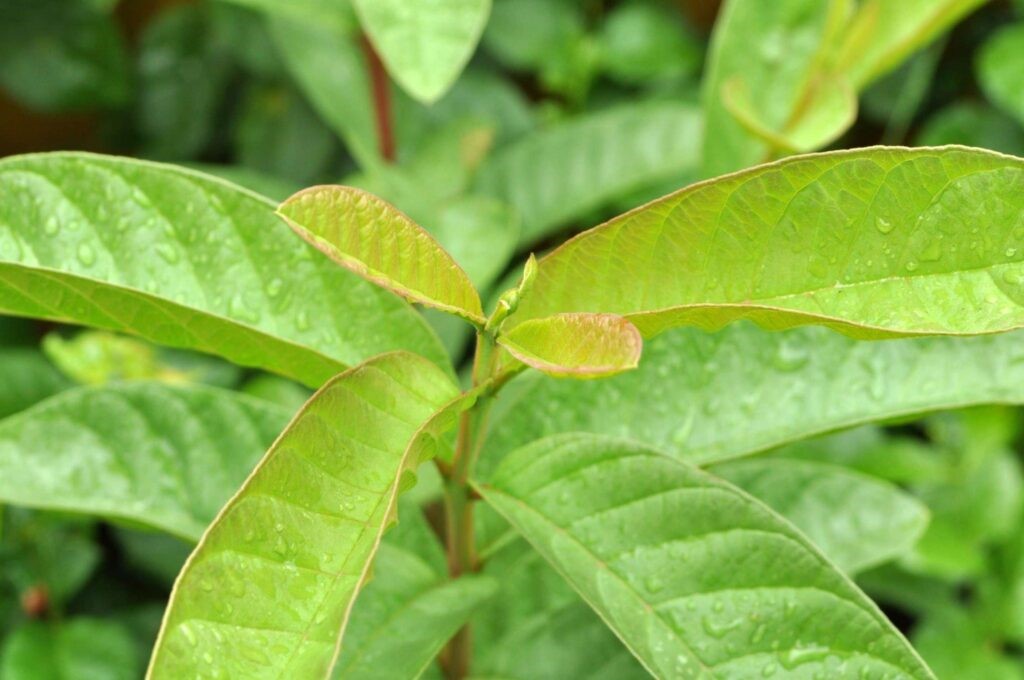
Guava leaf tea is prepared by steeping dried or fresh leaves from the guava tree in hot water.
Unlike guava fruit, which is known for its sweet flavor and high vitamin C content, the leaves contain concentrated plant compounds that have been used traditionally in various cultures for digestive support and general wellness.
The tea has a mild earthy flavor and is naturally caffeine-free, making it a popular alternative to coffee and traditional tea.
One of the most studied potential benefits of guava leaf tea involves blood sugar management.
Maintaining healthy blood glucose levels is important for:
Energy regulation
Metabolic health
Long-term cardiovascular wellness
Some studies suggest that compounds found in guava leaves may help slow the breakdown and absorption of certain carbohydrates, potentially supporting more stable blood sugar levels after meals.
Researchers continue to investigate how these plant compounds interact with glucose metabolism.
Guava leaf tea should not replace medications or treatment plans prescribed by healthcare providers.
Heart disease remains one of the leading health concerns worldwide.
Many experts emphasize the importance of dietary choices that support cardiovascular wellness.
Guava leaves contain antioxidants and plant compounds that may help support:
Healthy cholesterol levels
Blood vessel function
Cardiovascular health
Some studies have observed favorable effects on certain cholesterol markers, although more research is needed to fully understand these relationships.
Regular exercise, balanced nutrition, stress management, and routine medical care remain the foundation of cardiovascular health.
Traditional uses of guava leaves often focus on digestive support.
Guava leaf tea has been used in various cultures to support:
Digestive comfort
Gut health
Occasional digestive disturbances
The plant compounds found in guava leaves may influence certain digestive processes and contribute to gastrointestinal balance.
A healthy digestive system plays a key role in nutrient absorption, immune function, and overall wellness.
One of the primary reasons researchers are interested in guava leaves is their antioxidant content.
Antioxidants help protect cells from oxidative stress caused by unstable molecules known as free radicals.
Oxidative stress has been associated with:
Aging
Inflammation
Various chronic diseases
Guava leaves contain:
Flavonoids
Polyphenols
Tannins
Other antioxidant compounds
These substances help explain why guava leaf tea continues to attract scientific attention.
While no tea can produce dramatic weight loss on its own, guava leaf tea may complement a healthy lifestyle.
Researchers have explored whether compounds in guava leaves may influence:
Carbohydrate metabolism
Appetite regulation
Energy balance
Because guava leaf tea is naturally calorie-free when consumed without added sugar, it can serve as a healthier alternative to sugary beverages.
Replacing high-calorie drinks with herbal teas may support overall calorie management.
The immune system depends on numerous factors, including proper nutrition, sleep, exercise, and stress management.
The antioxidants and beneficial compounds found in guava leaves may contribute to overall immune support by helping protect cells from oxidative stress.
No single food or beverage can guarantee immunity, but nutrient-rich dietary choices can contribute to overall health.
Inflammation is a natural response that helps the body heal from injury and infection.
However, chronic inflammation has been associated with many long-term health concerns.
Certain plant compounds found in guava leaves have demonstrated anti-inflammatory properties in laboratory studies.
Researchers continue to investigate how these compounds may influence inflammatory processes within the body.
Reducing unnecessary inflammation may contribute to better overall health and wellness.
Making guava leaf tea at home is relatively simple.
5–10 fresh guava leaves or 1–2 teaspoons dried guava leaves
2 cups water
Bring water to a gentle boil.
Add guava leaves.
Simmer for approximately 10–15 minutes.
Strain the liquid.
Allow the tea to cool slightly before drinking.
Some people add lemon, cinnamon, or honey to enhance the flavor.
Although guava leaf tea is generally well tolerated by many people, certain individuals should exercise caution.
Because guava leaf tea may influence blood sugar levels, individuals taking diabetes medications should consult their healthcare provider before regular consumption.
Medical guidance is advisable before using herbal products during pregnancy or breastfeeding.
Anyone with chronic health conditions should discuss herbal supplements and teas with a qualified healthcare professional.
Guava leaf tea is not a cure for diabetes, heart disease, infections, or any other medical condition.
Excessive consumption does not necessarily provide greater benefits and may increase the risk of unwanted effects.
Herbal teas should complement—not replace—professional medical care.
Even though guava leaf tea offers potential benefits, it works best as part of a broader healthy lifestyle that includes:
Nutritious meals
Regular physical activity
Adequate sleep
Stress management
Routine medical checkups
No single beverage can provide complete protection against disease.
Guava leaf tea has earned growing interest among researchers and wellness enthusiasts due to its rich supply of antioxidants and beneficial plant compounds. Early studies suggest it may help support healthy blood sugar levels, cardiovascular wellness, digestive comfort, immune function, inflammation management, and overall health.
While the evidence continues to evolve, guava leaf tea can be a pleasant, caffeine-free beverage that fits well into a balanced lifestyle. As with any herbal product, moderation and informed use are important.
For many people, enjoying a warm cup of guava leaf tea may be a simple way to add another healthy habit to their daily routine while supporting long-term well-being.
5 Morning Symptoms That Could Be Warning Signs of an Underlying Can.cer
Your Lungs Could Be Sending Warning Signs While You Sleep 👇

A Sore Throat Was the First Sign of Something Serious 😨 Here's What Doctors Want People to Know

Doctors reveal that eating bananas before bed can lead to... See more

These vegetables deliver powerful nutrients for everyday wellness.

5 Types of People Who May Need to Limit Their Shrimp Consumption

Give up these 7 habits that may “feed” can.cer ce.lls

Persistent itching and unusual bumps may signal hidden skin issues.

Could Your Feet Be Warning You About Your Liver? Here's What Experts Say

Changes in nail appearance may reveal more than signs of aging.

If You Notice These 5 Changes in Your Sleep, It May Be Time to Check In With a Doctor
A popular home remedy sparks curiosity about its possible effects.

A daily breakfast favorite may influence your body in surprising ways.

14 Clues Your Blood Sugar Could Be Running High and What You Can Do About It
4 Groups of People Who May Need to Be Careful With Cabbage Consumption
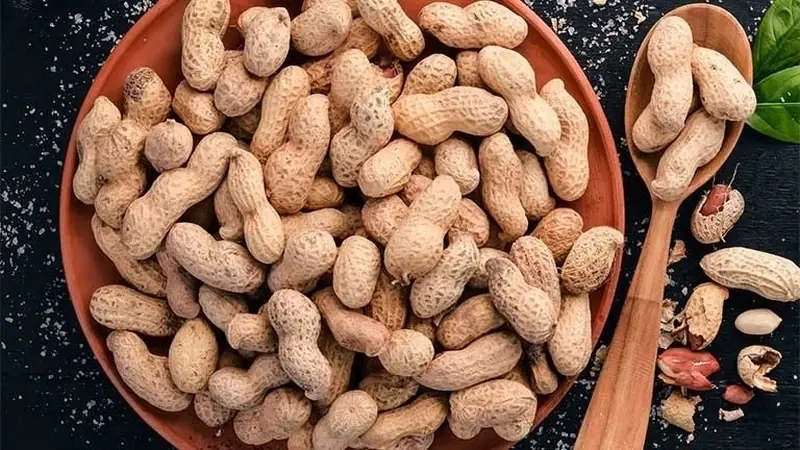
What Health Experts Really Think About Eating Peanuts?

Drink This Before Bed: One Glass May Help Support Natural Colon Cleansing Overnight

Don't Ignore Deep Sock Marks - They Could Be a Sign of These 4 Health Concerns

What Chronic Sleep Loss Can Do to the Brain: The Hidden Effects You Should Know

What Prominent Neck Veins May Reveal About Your Health

Separate Beds, Strong Relationship? Why Many Couples Make the Switch After 50

🍳 One Breakfast Habit That Could Have a Bigger Impact on Your Health Than You Think
5 Morning Symptoms That Could Be Warning Signs of an Underlying Can.cer

Have You Ever Seen an Insect Like This? I Found It in My Son's Hair 😳
Your Lungs Could Be Sending Warning Signs While You Sleep 👇
A Sore Throat Was the First Sign of Something Serious 😨 Here's What Doctors Want People to Know
Doctors reveal that eating bananas before bed can lead to... See more
These vegetables deliver powerful nutrients for everyday wellness.
5 Types of People Who May Need to Limit Their Shrimp Consumption
Give up these 7 habits that may “feed” can.cer ce.lls
Persistent itching and unusual bumps may signal hidden skin issues.
Could Your Feet Be Warning You About Your Liver? Here's What Experts Say
Changes in nail appearance may reveal more than signs of aging.
If You Notice These 5 Changes in Your Sleep, It May Be Time to Check In With a Doctor

You Might Be Doing These 10 Everyday Kitchen Habits Incorrectly
A popular home remedy sparks curiosity about its possible effects.
A daily breakfast favorite may influence your body in surprising ways.
14 Clues Your Blood Sugar Could Be Running High and What You Can Do About It