Have you ever opened your refrigerator and discovered a few tomatoes that had become too soft, wrinkled, or slightly overripe? Many people immediately assume these tomatoes are no longer useful and toss them straight into the trash.
While tomatoes that are moldy, rotten, or have an unpleasant odor should certainly be discarded for safety reasons, slightly overripe tomatoes often still have plenty of value left. In fact, their softness can make them even more useful for certain purposes than fresh, firm tomatoes.
Learning how to repurpose overripe tomatoes can help reduce food waste, save money, and even benefit your garden. Here are some surprisingly practical ways to make use of tomatoes that may look past their prime.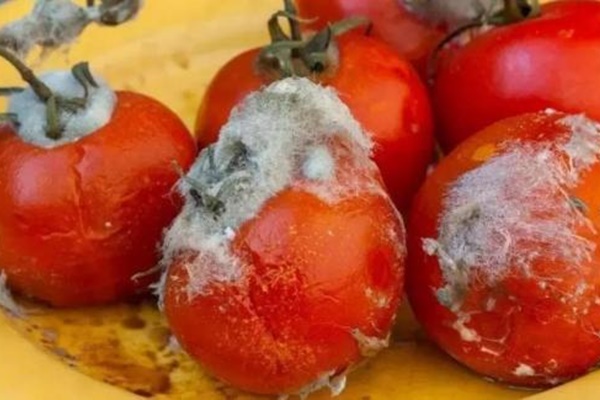
Understanding the Difference Between Overripe and Rotten
Before using any old tomato, it's important to know the difference.
Overripe Tomatoes
Typically:
-
Soft but not mushy
-
Wrinkled skin
-
Deep red color
-
Mild tomato aroma
These tomatoes are often still safe to use.
Rotten Tomatoes
May show:
-
Mold growth
-
Foul odor
-
Leaking liquid
-
Large dark spots
-
Slimy texture
Rotten tomatoes should be discarded immediately.
Food safety should always come first.
Use 1: Make Homemade Tomato Sauce
One of the best uses for overripe tomatoes is homemade tomato sauce.
Why It Works
As tomatoes ripen:
-
Their flavor often becomes richer
-
Natural sugars increase
-
Texture softens
These qualities make them ideal for cooking.
Simple Method
-
Wash the tomatoes.
-
Remove damaged areas.
-
Chop into pieces.
-
Simmer until soft.
-
Blend or mash.
The result can be used for:
-
Pasta dishes
-
Pizza sauce
-
Soups
-
Stews
Use 2: Create Fresh Tomato Soup
Soft tomatoes are excellent for soup.
Benefits
Overripe tomatoes often contain:
-
Strong flavor
-
Natural sweetness
-
Rich color
Easy Preparation
Combine tomatoes with:
-
Onions
-
Garlic
-
Herbs
-
Vegetable broth
Blend after cooking for a smooth, comforting soup.
Use 3: Freeze for Future Cooking
If you don't have time to cook immediately, freezing is an option.
How to Freeze
-
Wash thoroughly
-
Remove stems
-
Place in freezer bags
Future Uses
Frozen tomatoes work well in:
-
Sauces
-
Soups
-
Chili
-
Casseroles
The texture changes after freezing, but flavor remains useful for cooked dishes.
Use 4: Make Tomato Paste
Tomato paste is another excellent way to use very ripe tomatoes.
Why It's Useful
Tomato paste adds concentrated flavor to:
-
Soups
-
Curries
-
Stews
-
Sauces
Process
Cook tomatoes slowly until much of the water evaporates.
The remaining thick mixture can be stored for later use.
Use 5: Create Homemade Salsa
Overripe tomatoes can still make delicious salsa.
Combine With
-
Onions
-
Cilantro
-
Lime juice
-
Peppers
Important Reminder
Only use tomatoes that are overripe not spoiled.
Fresh ingredients help ensure food safety and flavor.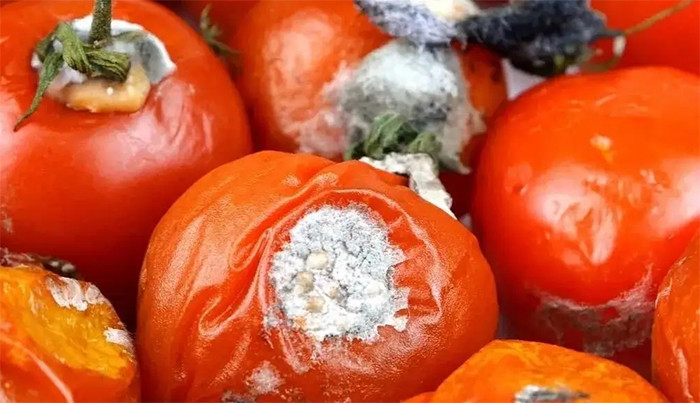
Use 6: Compost Them
Sometimes tomatoes become too damaged for consumption.
Instead of sending them to a landfill, consider composting.
Benefits of Composting
Compost can:
-
Improve soil quality
-
Add nutrients
-
Support plant growth
Tomato Composting Tips
Cut tomatoes into smaller pieces to speed decomposition.
They break down relatively quickly in compost systems.
Use 7: Save Seeds for Gardening
Many people don't realize that seeds from overripe tomatoes may still be viable.
How to Save Seeds
-
Remove seeds.
-
Rinse gently.
-
Dry completely.
-
Store in a cool, dry place.
Future Use
Seeds may be planted during the appropriate growing season.
Results vary depending on the tomato variety.
Use 8: Make a Natural Plant Fertilizer
Some gardeners use overripe tomatoes as part of homemade compost mixtures.
Why?
Tomatoes contain organic matter that can contribute nutrients during decomposition.
Important Note
Directly placing large quantities around plants may attract pests.
Composting first is generally preferable.
Use 9: Feed the Soil, Not the Trash
Food waste represents a significant environmental challenge.
Why Reducing Waste Matters
Food production requires:
-
Water
-
Land
-
Energy
-
Labor
Using food more efficiently helps reduce unnecessary waste.
Even when tomatoes are no longer suitable for eating, they may still benefit the garden ecosystem.
Use 10: Create Homemade Vegetable Stock
Tomatoes can add depth of flavor to homemade stock.
Combine With
-
Onion scraps
-
Carrot peels
-
Celery ends
Result
A flavorful base for:
-
Soups
-
Rice dishes
-
Sauces
This is another excellent way to maximize food use.
Common Mistakes People Make
Mistake 1: Throwing Away Perfectly Good Tomatoes
Many tomatoes are discarded simply because they are soft.
Softness alone does not mean spoilage.
Mistake 2: Ignoring Mold
Moldy tomatoes should not be consumed.
Mistake 3: Storing Tomatoes Incorrectly
Tomatoes often last longer when stored properly.
Avoid excessive moisture and monitor ripeness regularly.
How to Make Tomatoes Last Longer
Store at Room Temperature
Unripe tomatoes often ripen best outside the refrigerator.
Refrigerate Only When Necessary
Refrigeration may slow spoilage once tomatoes become very ripe.
Separate Damaged Produce
One spoiled tomato can accelerate deterioration in nearby produce.
Environmental Benefits of Reusing Overripe Tomatoes
Reducing food waste benefits both households and the environment.
Advantages Include
-
Less landfill waste
-
Lower household food costs
-
More efficient resource use
-
Improved compost production
Small actions can make a meaningful difference over time.
Safety Guidelines
Always inspect tomatoes carefully.
Discard If You Notice
-
Mold
-
Fermentation smell
-
Excessive slime
-
Large black patches
-
Signs of decay
When in doubt, prioritize safety.
Common Myths About Overripe Tomatoes
Myth 1: Soft Means Unsafe
Many soft tomatoes remain perfectly usable for cooking.
Myth 2: They Have No Nutritional Value
Overripe tomatoes still contain many nutrients.
Myth 3: Composting Is Their Only Use
Numerous culinary uses remain possible before composting becomes necessary.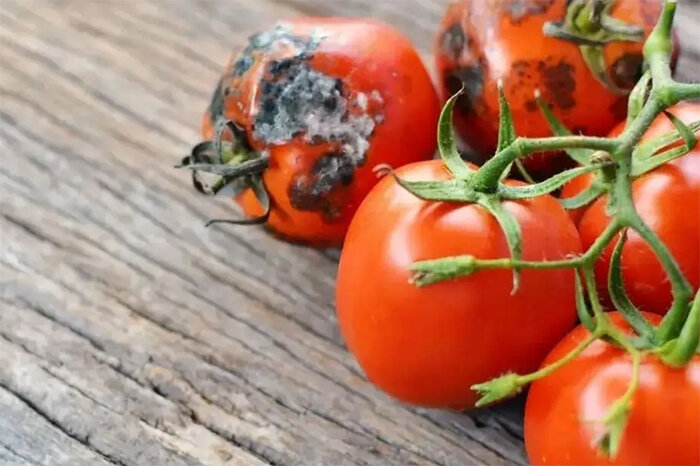
Final Thoughts
Many people automatically throw away overripe tomatoes without realizing how versatile they can still be. As long as the tomatoes are not moldy, rotten, or unsafe to eat, they can often be transformed into sauces, soups, salsa, tomato paste, vegetable stock, and many other useful kitchen creations. Even tomatoes that are no longer suitable for consumption can contribute to compost and support healthier gardens.
The next time you discover a few soft tomatoes in your kitchen, consider giving them a second life instead of sending them straight to the trash. A little creativity can help reduce waste, save money, and make the most of every tomato you bring home.