5 Everyday Appliances That May Be Better Off Unplugged When Not in Use
Modern homes rely on a wide range of electrical appliances to make daily life more convenient. From brewing your morning coffee to charging your phone before bed, many devices remain plugged in around the clock without a second thought. While most appliances are designed to be safe when left connected to power, unplugging certain items when they're not in use can help reduce unnecessary energy consumption, extend the lifespan of the device, and in some cases lower the risk of electrical problems.
Here are five common household appliances that are often worth unplugging when they're not being used—and why this simple habit can make a difference.
1. Toasters

A toaster is one of the most frequently used small kitchen appliances, but it typically spends most of the day sitting idle.
Even when switched off, some models continue drawing a small amount of standby power. More importantly, crumbs that accumulate inside the appliance can become a potential fire hazard if the toaster develops an electrical fault or accidentally turns on.
Unplugging your toaster after use offers several benefits:
- Reduces standby electricity use.
- Helps protect against accidental activation.
- Lowers the chance of electrical issues.
- Encourages regular cleaning of accumulated crumbs.
Safety Tip: Clean your toaster regularly, but always unplug it first and ensure it has completely cooled down before removing crumbs.
Image Suggestion
A clean kitchen countertop with a toaster being unplugged from a wall outlet.
2. Coffee Makers
Many coffee makers include built-in warming plates that stay hot for an extended period after brewing. While this feature is convenient, forgetting to turn the machine off—or leaving it plugged in continuously—can waste electricity and increase wear on internal components.
Some newer models automatically switch off after a certain amount of time, but unplugging the machine when you're finished adds another layer of safety.
Reasons to unplug your coffee maker:
- Prevents unnecessary energy use.
- Reduces wear on heating elements.
- Minimizes the risk of electrical malfunctions.
- Provides extra peace of mind when leaving home.
Keeping the appliance clean and descaled according to the manufacturer's instructions also helps maintain performance and longevity.
Image Suggestion
A person unplugging a coffee maker after pouring a fresh cup of coffee.
3. Hair Styling Tools
Hair dryers, curling irons, flat irons, and similar styling tools generate significant heat. Even if many modern models include automatic shut-off features, accidents can still happen if a device is forgotten or develops a fault.
These appliances should never be left plugged in unnecessarily, especially in bathrooms where moisture increases electrical hazards.
Best practices include:
- Unplug immediately after use.
- Allow the tool to cool on a heat-resistant surface.
- Store only after it has cooled completely.
- Keep cords away from water.
According to electrical safety organizations, heated styling tools are among the household items most commonly associated with preventable home accidents.
Image Suggestion
A curling iron cooling safely on a heat-resistant mat next to an unplugged outlet.
4. Phone and Laptop Chargers

Many people leave chargers plugged into outlets all day—even when they're not charging a device.
While modern chargers generally consume only a very small amount of standby power, they still draw electricity and can become warm over time. Repeated exposure to heat may contribute to gradual wear, especially with lower-quality or damaged chargers.
Unplugging chargers when not in use can:
- Slightly reduce phantom energy consumption.
- Help prolong charger lifespan.
- Reduce clutter around outlets.
- Lower the chance of damage during power surges.
It's also important to inspect charging cables regularly and replace any that show signs of fraying, exposed wires, or damaged connectors.
Image Suggestion
A smartphone charger unplugged neatly from a wall socket.
5. Space Heaters
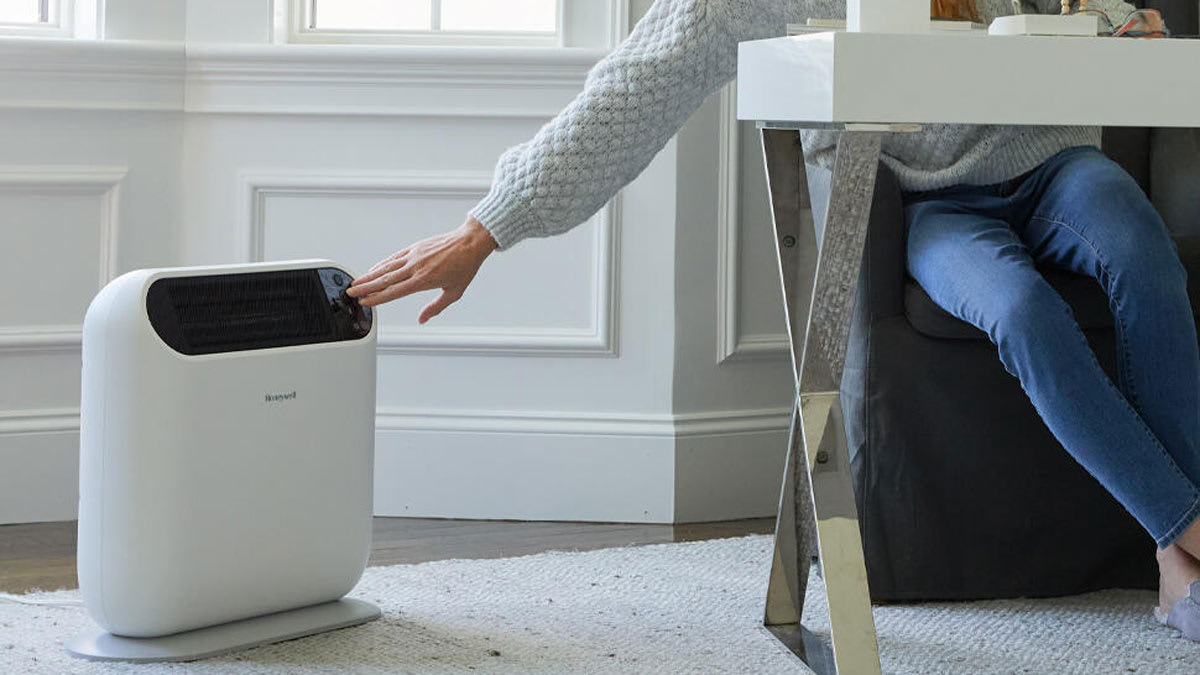
Portable space heaters provide warmth during colder months, but they also rank among the highest-power appliances found in many homes.
Manufacturers typically recommend unplugging portable heaters whenever they are not actively being used. Leaving one plugged in unnecessarily increases the possibility of accidental activation or electrical faults.
For safe operation:
- Plug heaters directly into a wall outlet—not into extension cords.
- Keep them at least three feet (about one meter) away from curtains, furniture, bedding, and other flammable materials.
- Never leave a space heater running unattended.
- Turn it off and unplug it before leaving the room or going to sleep.
These simple precautions can significantly reduce fire risks.
Image Suggestion
A portable space heater switched off and unplugged beside a sofa.
What About "Phantom Energy"?
Many electronic devices continue consuming small amounts of electricity while in standby mode. This is often referred to as phantom energy, standby power, or vampire power.
Examples include:
- Televisions
- Gaming consoles
- Printers
- Smart speakers
- Microwaves with digital clocks
Although the electricity used by each individual device is usually quite small, the combined effect across many appliances can add up over time.
Using a power strip with an on/off switch or smart plugs can make it easier to disconnect several devices at once without constantly plugging and unplugging individual cords.
A Few Practical Exceptions
Not every appliance should be unplugged after each use.
Some devices are designed to remain connected to power, including:
- Refrigerators and freezers.
- Internet routers and modems.
- Home security systems.
- Medical equipment that requires continuous operation.
- Smart home hubs that rely on constant connectivity.
Always follow the manufacturer's recommendations for your specific appliance.
Building a Simple Safety Habit
Making unplugging part of your daily routine doesn't have to be complicated. Consider checking these items before leaving home or going to bed:
- Hair styling tools
- Coffee makers
- Toasters
- Portable heaters
- Chargers that are no longer in use
This quick habit may help reduce unnecessary electricity use, protect your appliances from certain electrical issues, and improve overall household safety.
Final Thoughts
Most modern appliances are designed with safety in mind, and leaving many of them plugged in is generally considered safe when used as intended. However, unplugging certain high-heat or infrequently used devices when they're not needed is a practical precaution that can help conserve a small amount of energy, reduce wear on equipment, and lower certain electrical risks.
A few seconds spent unplugging the right appliances can become an easy part of your daily routine—one that benefits both your home and your peace of mind.