When people think about blood pressure problems, high blood pressure often receives the most attention. However, blood pressure that is too low can also cause symptoms and affect daily life. While some individuals naturally have lower blood pressure and remain perfectly healthy, others may experience symptoms that interfere with their well-being.
Low blood pressure, also known as hypotension, occurs when blood pressure falls below levels that adequately support the body's needs. As a result, the brain, heart, and other organs may temporarily receive less oxygen-rich blood than they require.
Understanding the symptoms of low blood pressure can help individuals recognize when a simple lifestyle adjustment may help and when medical attention may be necessary.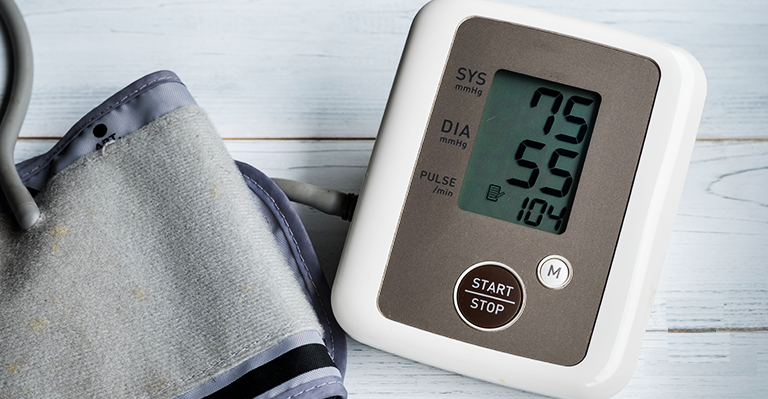
What Is Low Blood Pressure?
Blood pressure measures the force of blood pushing against artery walls.
Why Blood Pressure Matters
Adequate blood pressure helps ensure that oxygen and nutrients reach:
-
The brain
-
The heart
-
The kidneys
-
Muscles
-
Other organs
When blood pressure drops too low, symptoms may develop.
Is Low Blood Pressure Always Dangerous?
Not necessarily.
Some people naturally have low blood pressure and experience no symptoms at all.
When It Becomes a Concern
Low blood pressure may warrant attention when it causes:
-
Dizziness
-
Fainting
-
Weakness
-
Difficulty functioning normally
The severity often depends on the underlying cause.
Symptom #1: Dizziness or Lightheadedness
One of the most common symptoms of low blood pressure is dizziness.
What It May Feel Like
-
Feeling unsteady
-
Lightheadedness
-
A sensation of floating
-
Difficulty maintaining balance
When It Often Occurs
Many people notice symptoms when:
-
Standing up quickly
-
Getting out of bed
-
Rising from a chair
This is sometimes called orthostatic hypotension.
Why It Happens
The body needs time to adjust blood flow when changing positions.
If blood pressure does not respond quickly enough, temporary dizziness may occur.
Symptom #2: Fainting or Near-Fainting Episodes
A more significant drop in blood pressure may lead to fainting.
Warning Signs Before Fainting
-
Blurred vision
-
Sweating
-
Nausea
-
Weakness
Why It Matters
Fainting can increase the risk of falls and injuries.
Repeated episodes should always be evaluated by a healthcare professional.
Symptom #3: Fatigue and Low Energy
Many people with symptomatic low blood pressure report feeling unusually tired.
Possible Symptoms
-
Lack of energy
-
Difficulty completing daily tasks
-
Feeling drained despite adequate sleep
Why?
Reduced blood flow may temporarily affect oxygen delivery throughout the body.
When Fatigue Deserves Attention
Persistent fatigue should not automatically be blamed on low blood pressure, as many other conditions can cause similar symptoms.
Symptom #4: Blurred Vision
The eyes and brain depend on a consistent blood supply.
Possible Visual Symptoms
-
Blurred vision
-
Difficulty focusing
-
Temporary visual disturbances
When It May Occur
Symptoms often appear during episodes of dizziness or sudden position changes.
Why Vision Changes Matter
Any persistent or sudden visual changes should be discussed with a healthcare provider.
Symptom #5: Difficulty Concentrating
Low blood pressure may sometimes affect mental clarity.
Common Complaints
-
Brain fog
-
Poor concentration
-
Difficulty focusing
-
Slower thinking
Many people initially attribute these symptoms to stress or lack of sleep.
The Brain's Need for Blood Flow
Even brief reductions in blood flow can influence concentration and alertness.
Symptom #6: Cold Hands and Feet
Circulation changes may affect the extremities.
Possible Signs
-
Cold fingers
-
Cold toes
-
Pale skin
-
Sensitivity to cold temperatures
Why It Happens
The body may prioritize blood flow to vital organs when pressure is low.
This can reduce circulation to the hands and feet.
Symptom #7: Nausea
Some individuals experience digestive symptoms during episodes of low blood pressure.
Possible Symptoms
-
Nausea
-
Upset stomach
-
General discomfort
These symptoms often occur alongside dizziness or weakness.
Common Causes of Low Blood Pressure
Low blood pressure can develop for many reasons.
Possible Causes Include
-
Dehydration
-
Blood loss
-
Certain medications
-
Heart conditions
-
Hormonal disorders
-
Nutritional deficiencies
Identifying the underlying cause is often important.
Dehydration: One of the Most Common Causes
Water plays a vital role in maintaining blood volume.
Signs of Dehydration
-
Thirst
-
Dry mouth
-
Dark urine
-
Fatigue
Why It Affects Blood Pressure
Reduced fluid levels can decrease circulating blood volume.
Medications That May Affect Blood Pressure
Some medications may contribute to low blood pressure.
Examples Include
-
Blood pressure medications
-
Diuretics
-
Certain antidepressants
-
Some heart medications
Never stop medications without consulting a healthcare professional.
Who Is More Likely to Experience Low Blood Pressure?
Several groups may be more susceptible.
Higher-Risk Individuals Include
-
Older adults
-
People taking multiple medications
-
Individuals with chronic illnesses
-
Those who become dehydrated easily
How Is Low Blood Pressure Diagnosed?
Healthcare providers typically begin with blood pressure measurements.
Additional Evaluation May Include
-
Medical history
-
Physical examination
-
Blood tests
-
Heart testing
These assessments help determine the cause.
Healthy Ways to Help Manage Low Blood Pressure
1. Stay Hydrated
Adequate fluid intake supports blood volume.
Why It Helps
Hydration may reduce dizziness and improve circulation.
2. Stand Up Slowly
Moving gradually from sitting or lying positions may reduce symptoms.
Helpful Tip
Pause briefly before walking after standing.
3. Eat Regular Meals
Skipping meals may contribute to symptoms in some individuals.
Balanced Meals May Help
Include:
-
Protein
-
Fiber
-
Healthy fats
4. Exercise Regularly
Physical activity supports cardiovascular health.
Potential Benefits
-
Improved circulation
-
Better vascular function
-
Increased energy levels
5. Discuss Medications With Your Doctor
If symptoms develop after starting a medication, consult a healthcare professional.
6. Avoid Excessive Heat
Hot weather and hot baths may worsen symptoms in some individuals.
7. Follow Medical Advice
Treatment depends on the underlying cause.
A healthcare provider can recommend the most appropriate approach.
When Should You Seek Medical Attention?
Prompt medical evaluation may be necessary if low blood pressure is accompanied by:
-
Chest pain
-
Severe shortness of breath
-
Confusion
-
Persistent fainting
-
Severe weakness
These symptoms may indicate a more serious condition.
Common Myths About Low Blood Pressure
Myth 1: Low Blood Pressure Is Always Healthy
Not always.
Symptoms and underlying causes matter.
Myth 2: Only Older Adults Experience It
People of all ages may develop hypotension.
Myth 3: More Salt Is Always the Solution
Dietary changes should be individualized and guided by healthcare professionals.
Myth 4: Symptoms Are Harmless
Persistent symptoms deserve attention.
The Importance of Listening to Your Body
Low blood pressure often causes symptoms that can easily be dismissed as fatigue, stress, or dehydration.
Paying attention to recurring symptoms may help identify an underlying issue before complications develop.
Final Thoughts
Low blood pressure is not always a problem, but when symptoms occur, they can significantly affect quality of life. Dizziness, fainting, fatigue, blurred vision, difficulty concentrating, cold extremities, and nausea are among the most common signs that blood pressure may be lower than the body needs.
Fortunately, many cases can be improved through simple measures such as staying hydrated, standing up slowly, maintaining healthy eating habits, and addressing underlying medical conditions. If symptoms persist or worsen, seeking medical evaluation is the best way to determine the cause and develop an appropriate treatment plan.
Your body often provides clues when something is out of balance. Recognizing these signals early may help you stay healthier, safer, and more energized in the long run.