Most people spend roughly one-third of their lives sleeping, yet few give much thought to the position they sleep in every night. While factors such as sleep duration, mattress quality, and bedroom environment often receive attention, sleep position may also influence comfort, digestion, breathing, and overall well-being.
Among the various sleeping positions, sleeping on the left side has attracted particular interest from researchers and healthcare professionals. Some studies suggest that this position may offer certain advantages for specific individuals, especially those dealing with digestive discomfort, acid reflux, or pregnancy-related sleep challenges.
However, no sleeping position is perfect for everyone. Understanding the potential benefits and limitations of sleeping on your left side can help you determine whether it might be a good fit for your needs.
Why Sleep Position Matters
During sleep, the body continues to perform essential functions.
While You Sleep, Your Body
-
Repairs tissues
-
Regulates hormones
-
Processes memories
-
Supports immune function
-
Maintains circulation
The position you sleep in may affect how efficiently some of these processes occur.

Common Sleep Positions
Most people tend to sleep in one of several positions:
-
Left side
-
Right side
-
Back
-
Stomach
Each position has potential advantages and disadvantages.
Potential Benefit #1: May Help Reduce Acid Reflux
One of the most frequently discussed benefits of sleeping on the left side involves digestive comfort.
Understanding Acid Reflux
Acid reflux occurs when stomach contents flow backward into the esophagus.
Common Symptoms
-
Heartburn
-
Sour taste in the mouth
-
Chest discomfort
-
Nighttime coughing
Why the Left Side May Help
The stomach naturally sits slightly toward the left side of the body.
Some researchers believe that sleeping on the left side may help keep stomach acid lower than the esophagus, potentially reducing nighttime reflux symptoms in certain individuals.
Important Note
People with chronic reflux symptoms should consult a healthcare professional for proper evaluation and treatment.
Potential Benefit #2: May Support Digestion
The digestive system relies on coordinated movement of food through the gastrointestinal tract.
Why Position Might Matter
Some experts suggest that gravity and anatomical positioning may support more efficient movement of stomach contents when sleeping on the left side.
Possible Effects
Some individuals report:
-
Less bloating
-
Improved comfort after meals
-
Reduced digestive discomfort
Scientific evidence remains limited, but many people find this position comfortable after eating.
Potential Benefit #3: May Improve Comfort During Pregnancy
Healthcare providers often recommend side sleeping during pregnancy.
Why?
As pregnancy progresses, the growing uterus can place pressure on blood vessels and organs.

Potential Benefits of Left-Side Sleeping During Pregnancy
May help support:
-
Blood flow
-
Circulation
-
Comfort
-
Reduced pressure on certain blood vessels
Important Reminder
Pregnant individuals should always follow guidance provided by their healthcare provider.
Potential Benefit #4: May Support Circulation
Proper circulation is essential for delivering oxygen and nutrients throughout the body.
How Sleep Position May Influence Blood Flow
Certain sleeping positions may place more pressure on blood vessels than others.
Potential Advantages
For some individuals, left-side sleeping may promote comfortable circulation during rest.
People Who May Notice Benefits
-
Pregnant individuals
-
People experiencing mild swelling
-
Individuals who prefer side sleeping
The effects vary from person to person.
Potential Benefit #5: May Help Reduce Snoring
Snoring often occurs when airflow becomes partially obstructed during sleep.
Why Side Sleeping May Help
Sleeping on the side may reduce the tendency of soft tissues in the throat to collapse backward.
Possible Benefits
Some individuals experience:
-
Reduced snoring
-
More comfortable breathing
-
Better sleep quality
Important Distinction
Snoring and sleep apnea are not the same condition.
Persistent snoring should be discussed with a healthcare professional, particularly if accompanied by breathing pauses.
Potential Benefit #6: May Be Better for Certain People With Sleep Apnea
Obstructive sleep apnea causes repeated interruptions in breathing during sleep.
What Happens?
Airways become temporarily blocked.
Symptoms Include
-
Loud snoring
-
Daytime fatigue
-
Morning headaches
Some individuals experience fewer symptoms when sleeping on their side rather than on their back.
Medical Treatment Remains Essential
Sleep position should never replace professional treatment recommendations.
Potential Benefit #7: May Reduce Pressure on the Lower Back
Many people find side sleeping more comfortable than lying flat on their back or stomach.
Why?
Side sleeping may help maintain a more neutral spinal position.
Additional Comfort Tips
Using a pillow between the knees may:
-
Improve alignment
-
Reduce hip strain
-
Increase comfort
This can be particularly helpful for people with mild lower back discomfort.
What Happens if You Sleep on Your Back?
Back sleeping has both advantages and disadvantages.
Potential Benefits
-
Even weight distribution
-
Reduced facial pressure
Possible Drawbacks
May worsen:
-
Snoring
-
Acid reflux
-
Certain breathing issues
Individual experiences vary.
What About Sleeping on the Right Side?
Right-side sleeping is also common.
Potential Differences
Some studies suggest left-side sleeping may be more favorable for acid reflux.
However, many healthy individuals sleep comfortably on either side.
Is Stomach Sleeping a Good Idea?
Stomach sleeping is generally considered less ideal for many people.
Why?
It may increase:
-
Neck strain
-
Back strain
-
Joint discomfort
However, personal comfort remains important.
Common Myths About Left-Side Sleeping
Myth 1: It Cures Health Problems
Sleeping position may influence symptoms but does not cure medical conditions.
Myth 2: Everyone Should Sleep on the Left Side
There is no universal best position for everyone.
Myth 3: Sleeping Position Is More Important Than Sleep Quality
Quality sleep remains the most important goal.
Myth 4: One Night Makes a Difference
Benefits typically relate to long-term habits rather than a single night.
Tips for Comfortable Left-Side Sleeping
Use Proper Pillow Support
The pillow should help keep the head aligned with the spine.
Consider a Pillow Between the Knees
This may improve comfort and alignment.
Choose a Supportive Mattress
Proper support helps reduce pressure points.
Avoid Large Meals Before Bed
This may improve digestive comfort regardless of sleep position.
When Sleep Problems Require Medical Attention
Consult a healthcare professional if you experience:
-
Persistent insomnia
-
Loud snoring
-
Breathing pauses during sleep
-
Severe acid reflux
-
Chronic fatigue
Sleep position alone may not address these issues.
The Importance of Overall Sleep Health
Good sleep depends on more than body position.
Other Important Factors Include
-
Consistent sleep schedules
-
Comfortable sleep environment
-
Physical activity
-
Stress management
-
Healthy eating habits
Together, these habits support better rest and long-term health.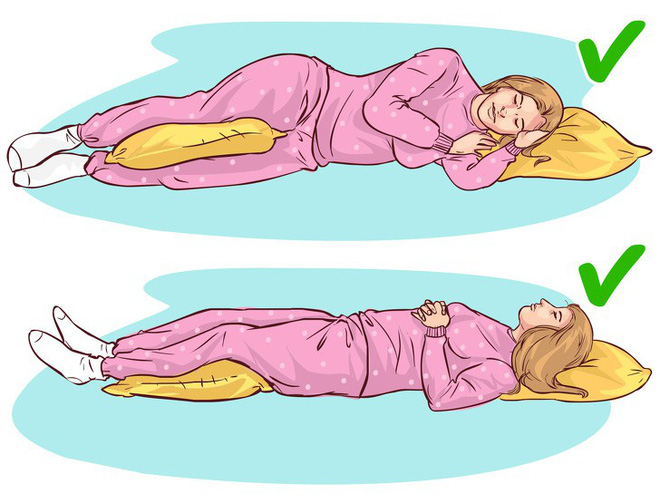
Final Thoughts
Sleeping on your left side may offer several potential benefits, particularly for individuals who experience acid reflux, pregnancy-related discomfort, mild snoring, or certain circulation concerns. This position may support digestive comfort and help some people breathe more easily during sleep.
However, no sleeping position is perfect for everyone. The best position is often the one that allows you to sleep comfortably, wake feeling rested, and maintain healthy breathing throughout the night. Rather than focusing solely on sleep position, it is important to prioritize overall sleep quality and discuss persistent sleep problems with a healthcare professional.
Sometimes small adjustments to nighttime habits can make a meaningful difference in how you feel throughout the day.