
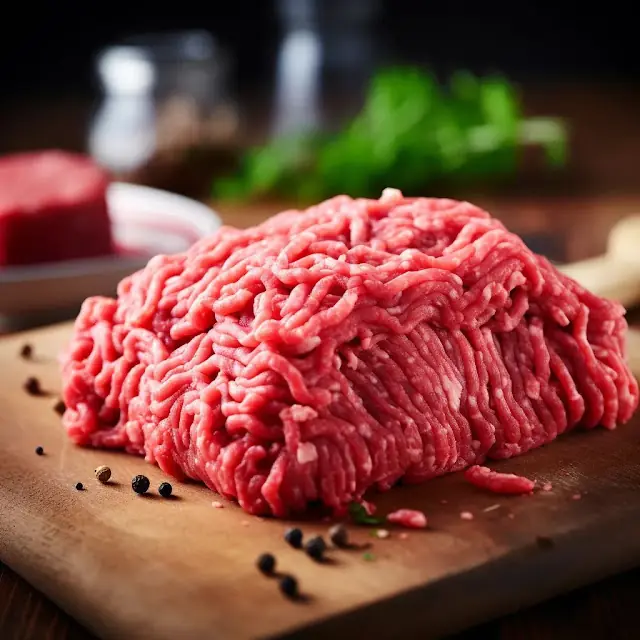
Should You Rinse Ground Beef Before Cooking? Here's What Food Safety Experts Say
Rinsing ground beef may seem helpful, but experts say it can do more harm.
Tips 28/07/2026 12:34
The kitchen is often called the heart of the home. It's where meals are prepared, families gather, and daily routines take shape. Yet even experienced home cooks can develop habits that seem harmless but may affect food quality, kitchen safety, efficiency, and even health.
Many common kitchen mistakes are passed down through generations or learned through convenience rather than best practices. The good news is that small adjustments can make a big difference in how food tastes, how long it lasts, and how safely it is prepared.
Here are 10 common kitchen mistakes that many people make without even realizing it.
Many people believe rinsing raw chicken removes bacteria and makes it cleaner before cooking.
Washing chicken can actually spread bacteria around the sink, countertops, utensils, and nearby surfaces through water splashes.
Cooking chicken to the proper internal temperature is what destroys harmful bacteria—not washing it.
Remove the chicken from its packaging, pat it dry if necessary, and cook it thoroughly.
When too much food is placed into a pan at once, the temperature drops significantly.
Instead of browning, food often begins to steam.
Less flavor
Poor texture
Uneven cooking
Cook in smaller batches to allow proper air circulation and heat distribution.
Many people assume dull knives are safer than sharp ones.
The opposite is often true.
Dull blades require more force and are more likely to slip during use.
This increases the risk of injury.
Regularly sharpen knives and store them properly to maintain performance.
Many foods are stored incorrectly simply out of habit.
Examples include:
Tomatoes in the refrigerator
Potatoes next to onions
Bread in the refrigerator
Improper storage can affect:
Texture
Flavor
Shelf life
Learn the ideal storage conditions for commonly used foods.
For example, tomatoes often maintain better flavor at room temperature, while potatoes should be stored in a cool, dark place.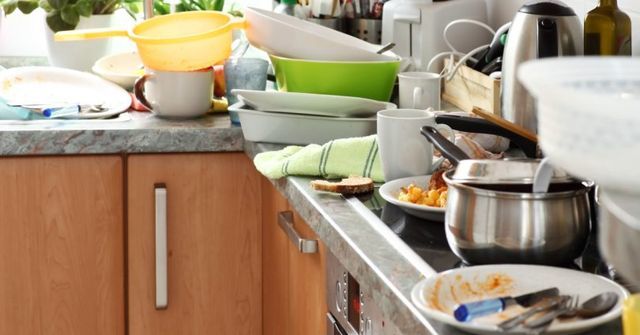
One of the most common mistakes occurs before cooking even begins.
People start preparing a recipe without reviewing all instructions.
Halfway through, they discover:
Missing ingredients
Unexpected preparation steps
Long resting times
Read the recipe completely before starting.
This helps avoid surprises and improves organization.
Cross-contamination remains a major food safety concern.
Using the same cutting board for:
Raw meat
Poultry
Seafood
Vegetables
without proper cleaning in between.
Use separate cutting boards or thoroughly sanitize surfaces before switching ingredients.
This simple habit can significantly reduce foodborne illness risks.
Many cooks repeatedly check food while it is baking.
Each time the oven door opens, heat escapes.
The oven temperature may drop substantially, affecting cooking times and results.
Uneven baking
Longer cooking times
Poor texture
Use the oven light and window whenever possible.
Many people rely only on smell to determine whether food is safe.
While smell can provide clues, it is not always reliable.
Some harmful bacteria may not produce noticeable odors.
Monitor:
Expiration dates
Use-by dates
Proper storage guidelines
When in doubt, it is generally safer to discard questionable food.
Many people cut into meat immediately after removing it from heat.
The juices inside the meat have not yet redistributed.
As a result:
Moisture escapes
Meat becomes drier
Flavor may be reduced
Allow meat to rest for several minutes before slicing.
The exact resting time depends on the size and type of meat.
Most people focus on cleaning visible messes but overlook high-contact areas.
Examples include:
Refrigerator handles
Cabinet knobs
Appliance buttons
Faucet handles
These surfaces can accumulate bacteria and germs over time.
Include high-touch surfaces in regular cleaning routines.
Beyond these ten mistakes, there are several other habits that can improve kitchen safety and efficiency.
Professional chefs often use a technique known as "mise en place," meaning everything is prepared before cooking begins.
This reduces stress and mistakes.
Adding dates to stored leftovers helps prevent food waste and improves food safety.
Keeping the refrigerator at the proper temperature helps preserve food quality and reduce bacterial growth.
Fresh fruits and vegetables should be rinsed before consumption to remove dirt and debris.
Many kitchen mistakes do not cause immediate problems.
However, over time they may affect:
Food safety
Meal quality
Kitchen efficiency
Food waste
Household expenses
Developing better habits can make cooking more enjoyable while reducing risks.
Improving kitchen habits does not require expensive equipment or professional training.
Simple actions can make a meaningful difference:
Keep knives sharp
Store foods properly
Avoid cross-contamination
Follow recipes carefully
Practice good hygiene
Maintain clean work surfaces
These habits help create a safer and more efficient cooking environment.:quality(75)/Thoi_quen_nha_bep_gay_doc_hai_10_0c4b619ef2.jpg)
Many of the most common kitchen mistakes are easy to overlook because they become part of everyday routines. Washing chicken, overcrowding pans, using dull knives, storing foods improperly, and neglecting sanitation may seem minor, but they can affect both food quality and safety.
Fortunately, small changes can lead to better cooking results, reduced waste, and a healthier kitchen environment. By becoming aware of these ten common mistakes and making a few simple adjustments, anyone can improve their cooking experience and gain greater confidence in the kitchen.
The best kitchens aren't necessarily the most expensive or sophisticated—they're the ones built on smart habits, good organization, and safe food-handling practices.
Rinsing ground beef may seem helpful, but experts say it can do more harm.
The Salt Water Test Everyone Is Talking About—What It Really Shows
This simple bottle cap trick is surprising people everywhere.

The Hidden Reason Experts Recommend Unplugging These 5 Appliances 👇

The Watermelon Secret Most Shoppers Never Notice
The Meaning Goes Beyond Simple Pest Control
Soak your feet once a week—your feet may thank you for it.
10 Surprising Ways Lemon and Charcoal Can Be Used Around the House

The School Uniform Rule Many Students Don't Know
A Small Kitchen Habit Today Could Turn Into a Big Plumbing Problem Tomorrow

Wondering If Your Honey Is Authentic? Here's How to Check
The Real Reason Cockroaches Won't Leave Your House Alone.

Your Dog Keeps Sleeping in Your Bed? Here's the Real Reason

One Image, Two Interpretations—Which One Did You See?

Don't Panic! Follow These Life-Saving Steps After a Snake Bite
🚿 Not All Pipes Handle Hot Water the Same Way—Here's Why It Matters...

What Does It Mean When a Gecko Visits Your Home?
The Strange Animal Products That Sell for Thousands of Dollars

Before You Toss That Deli Meat, Read This First

❤️ 7 Heart Attack Symptoms People Can Easily Mistake for Something Else... 👇

We Stopped Taking Photos and Started Enjoying the Trip
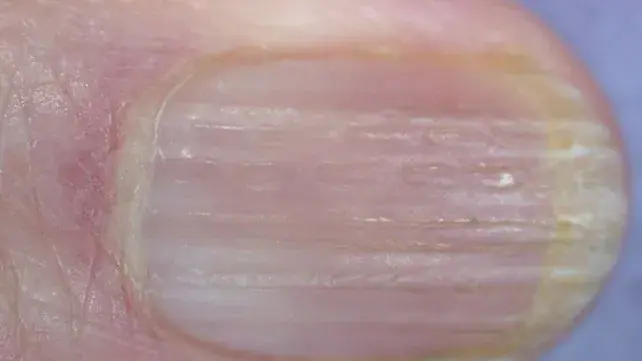
💅 Your Nails Can Change With Age—But These Lines May Have Several Possible Causes... 👇

☕ Most People Drink Coffee Every Morning Without Knowing This... 👀👇
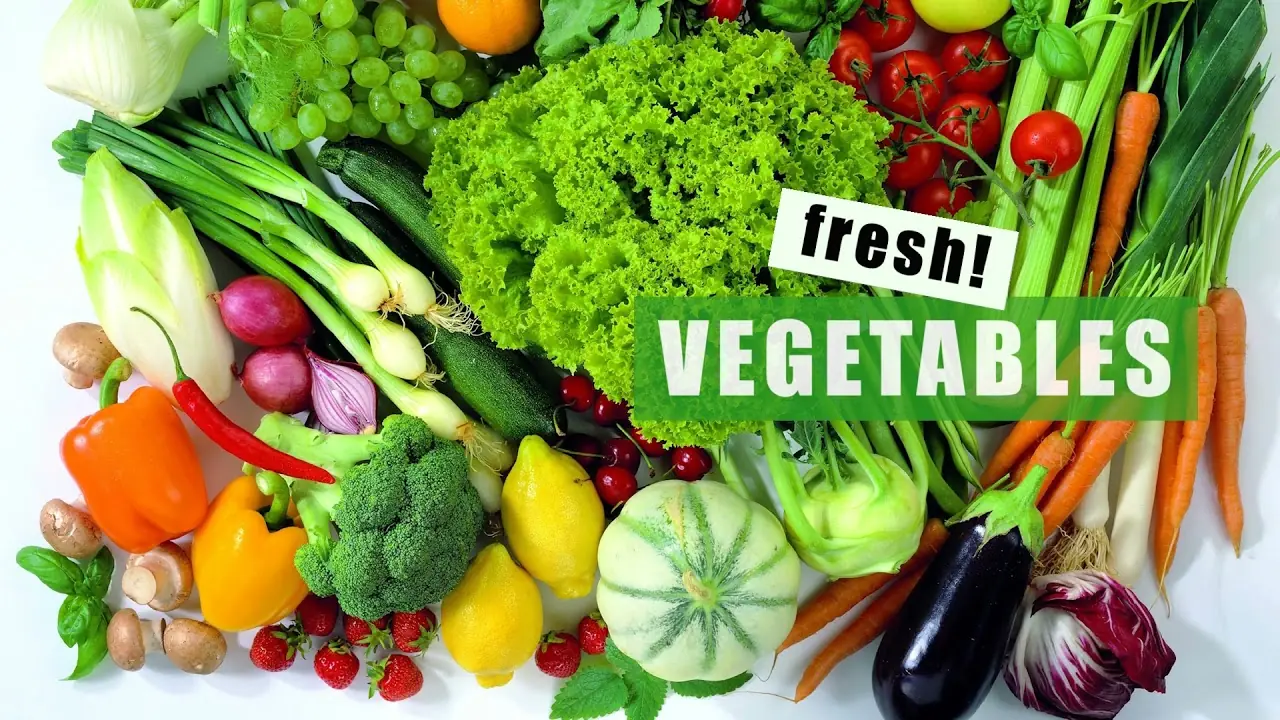
5 Healthy Vegetables High in Calcium for Your Daily Diet

Start Your Morning Right: Simple Habits That May Benefit Your Heart and Brain
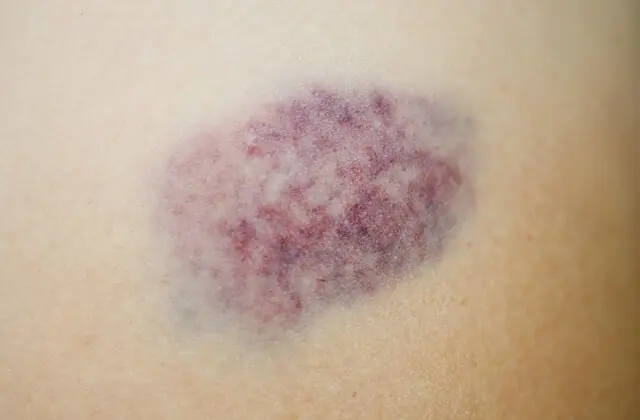
😨 Unusual Bruising Isn't Always Harmless—Here's When to Talk to a Doctor... 👇

The Facts About Cervical Can.cer That Every Woman Should Be Aware Of
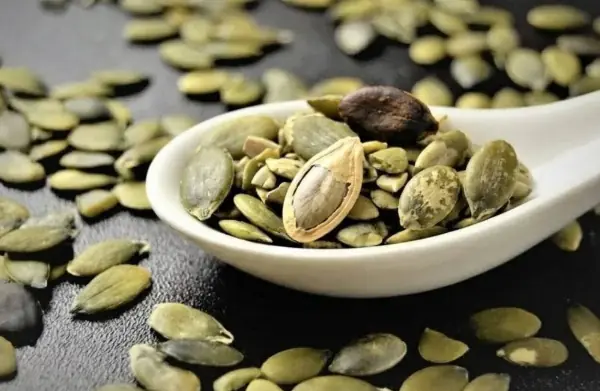
Pumpkin Seeds Are Nutritious, but Eating Too Many May Have Some Downsides
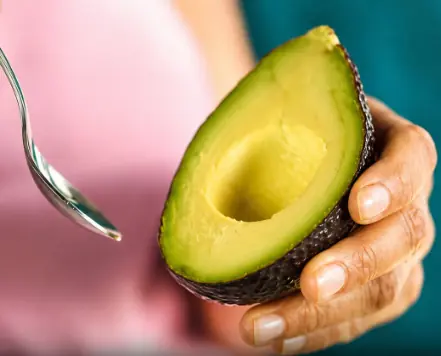
Doctors Say These People Should Limit Avocados

No matter how hungry you are, don't touch these 5 breakfast foods.

Is This Herbal Remedy Right for You? Here's What to Know

Why Dogs Sniff People's Groins: What Veterinarians Want You to Know... 👇
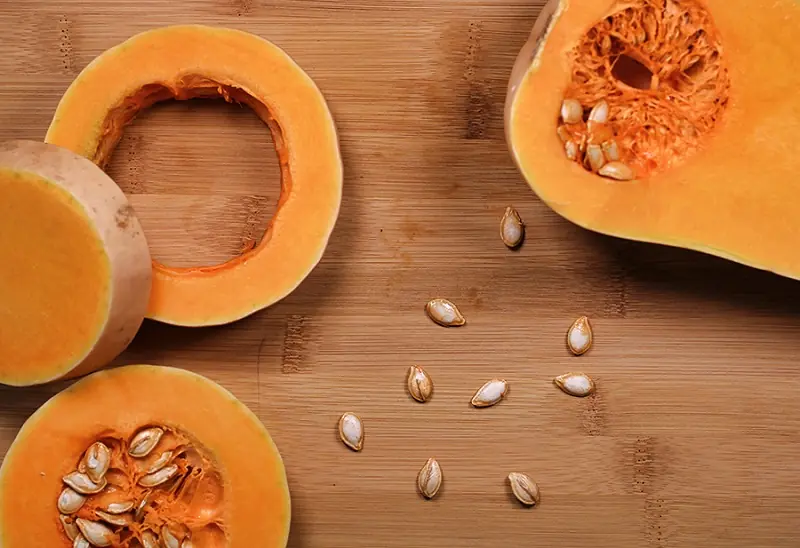
Pumpkin: A Nutritious Food With Surprising Health Benefits

Are You Doing These Everyday Habits? They May Affect Your Can.cer Risk
Rinsing ground beef may seem helpful, but experts say it can do more harm.

The Longevity Secret Anyone Can Practice Starting Today
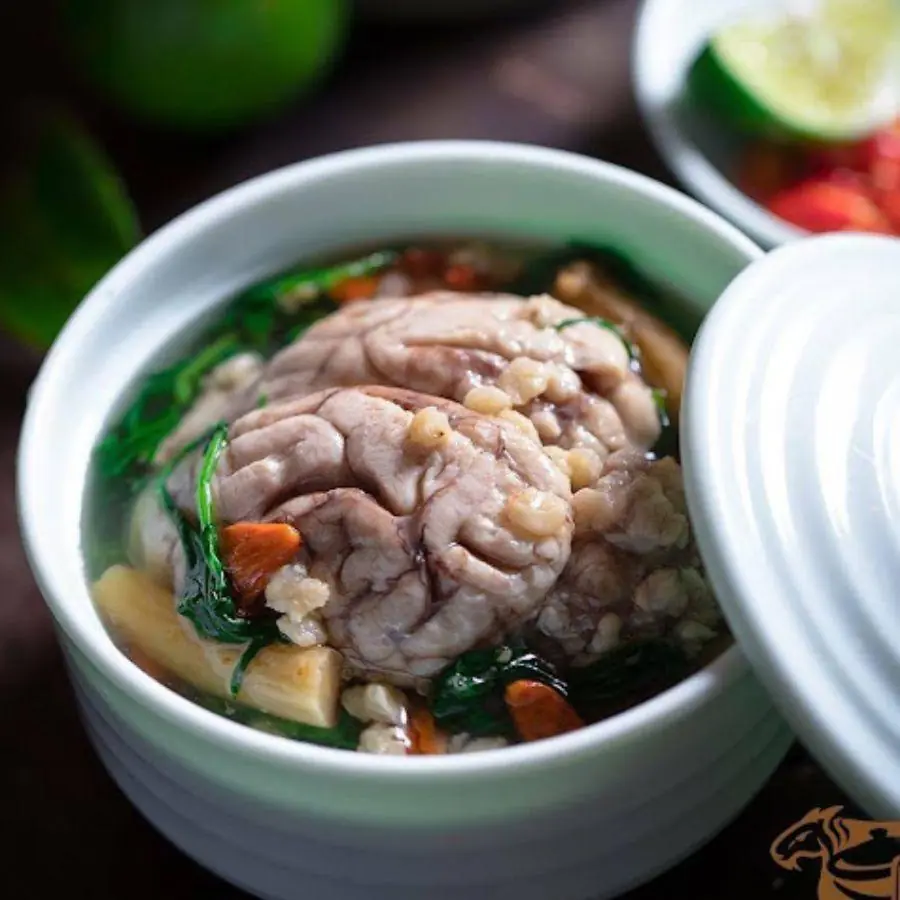
Pig brain is rich in nutrients—but it also comes with important health risks.

Your Afternoon Nap Could Be Telling You Something About Your Health... 👀👇
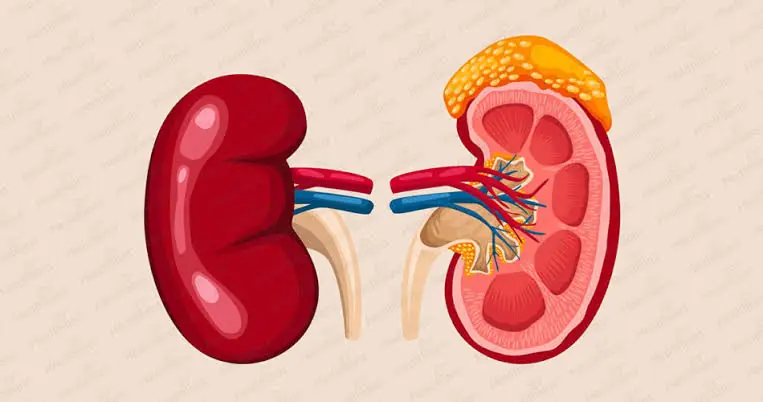
⚠️ Many Kidney Conditions Don't Cause Symptoms at First—Here's What You Should Know... 👇