Pumpkin is much more than a seasonal favorite or a festive decoration. This vibrant orange vegetable is packed with essential vitamins, minerals, antioxidants, and fiber that can support many aspects of health. Whether roasted, steamed, mashed, blended into soups, or added to baked dishes, pumpkin is a versatile and nutritious food that deserves a place on your plate year-round.
Nutrition experts often recommend including a variety of colorful vegetables in your diet, and pumpkin is an excellent choice. It is naturally low in calories while providing valuable nutrients such as vitamin A, vitamin C, potassium, fiber, and beta-carotene. These nutrients contribute to healthy vision, immune function, heart health, and overall well-being.
While no single food can prevent or cure disease, regularly eating nutrient-rich vegetables like pumpkin as part of a balanced diet may help support long-term health.
Here are 10 evidence-based reasons why pumpkin is considered a healthy addition to your meals.
1. Rich in Vitamins and Essential Nutrients
Pumpkin offers an impressive nutritional profile despite being relatively low in calories.
A serving of cooked pumpkin provides important nutrients including:
-
Vitamin A (primarily from beta-carotene)
-
Vitamin C
-
Vitamin E
-
Potassium
-
Fiber
-
Magnesium
-
Folate
-
Small amounts of iron
These nutrients work together to support normal body functions, from maintaining healthy skin to supporting the immune and nervous systems.
Because pumpkin is nutrient-dense, it allows you to obtain many vitamins and minerals without consuming large amounts of calories.
2. Supports Healthy Vision
One of pumpkin's best-known nutritional benefits is its high content of beta-carotene, the pigment responsible for its bright orange color.
Your body converts beta-carotene into vitamin A, which is essential for:
-
Normal vision
-
Eye surface health
-
Night vision
-
Immune function
Pumpkin also contains lutein and zeaxanthin, antioxidants that accumulate in the retina and may help protect the eyes from oxidative stress associated with aging.
Although pumpkin supports eye health, it should be viewed as one part of an overall healthy diet rather than a substitute for regular eye care.
3. May Help Strengthen the Immune System
A healthy immune system depends on a variety of nutrients, and pumpkin provides several of them.
These include:
-
Vitamin A
-
Vitamin C
-
Vitamin E
-
Beta-carotene
Vitamin C contributes to the normal function of immune cells, while vitamin A helps maintain the integrity of the skin and mucous membranes, which act as barriers against harmful microorganisms.
Eating pumpkin alongside other fruits and vegetables helps create a diverse intake of immune-supporting nutrients.
4. Supports Heart Health
Heart health is closely linked to overall dietary patterns, and pumpkin can fit well into a heart-friendly eating plan.
Pumpkin contains:
-
Potassium
-
Fiber
-
Antioxidants
Potassium helps regulate normal muscle and nerve function and contributes to healthy blood pressure when consumed as part of a balanced diet.
Fiber may help support healthy cholesterol levels already within the normal range when included in a diet rich in whole foods.
Choosing pumpkin instead of highly processed side dishes may also reduce sodium and saturated fat intake.

5. Promotes Healthy Digestion
Pumpkin is a good source of dietary fiber.
Fiber plays several important roles by helping to:
-
Support regular bowel movements
-
Feed beneficial gut bacteria
-
Promote fullness after meals
-
Support digestive health
A fiber-rich diet has also been associated with better long-term metabolic health.
To increase your fiber intake comfortably, add pumpkin gradually and drink plenty of water throughout the day.
6. May Support Healthy Skin
Healthy skin depends on adequate nutrition, and pumpkin contains several nutrients involved in skin maintenance.
These include:
-
Vitamin A
-
Vitamin C
-
Vitamin E
-
Beta-carotene
Vitamin C supports collagen production, which helps maintain the skin's structure.
Vitamin E and beta-carotene act as antioxidants that help protect skin cells from oxidative stress.
Remember that healthy skin also depends on:
-
Sun protection
-
Hydration
-
Adequate sleep
-
Avoiding smoking
7. Can Help With Healthy Weight Management
Pumpkin is naturally:
-
Low in calories
-
High in water
-
Rich in fiber
These characteristics make it a satisfying food that can help you feel full without adding excessive calories.
Replacing refined carbohydrates or high-calorie side dishes with pumpkin may support weight management as part of a balanced eating pattern.
Examples include:
-
Pumpkin soup
-
Roasted pumpkin
-
Mashed pumpkin instead of creamy mashed potatoes
-
Pumpkin added to vegetable stews
No single food causes weight loss, but nutrient-dense foods can make healthy eating easier.
8. Provides Powerful Antioxidants
Pumpkin contains several antioxidant compounds, including:
-
Beta-carotene
-
Alpha-carotene
-
Vitamin C
-
Vitamin E
Antioxidants help protect cells from oxidative stress caused by unstable molecules known as free radicals.
Oxidative stress has been linked to aging and various chronic diseases.
Although antioxidants are beneficial, they work best as part of an overall diet rich in colorful fruits and vegetables rather than from any one food alone.
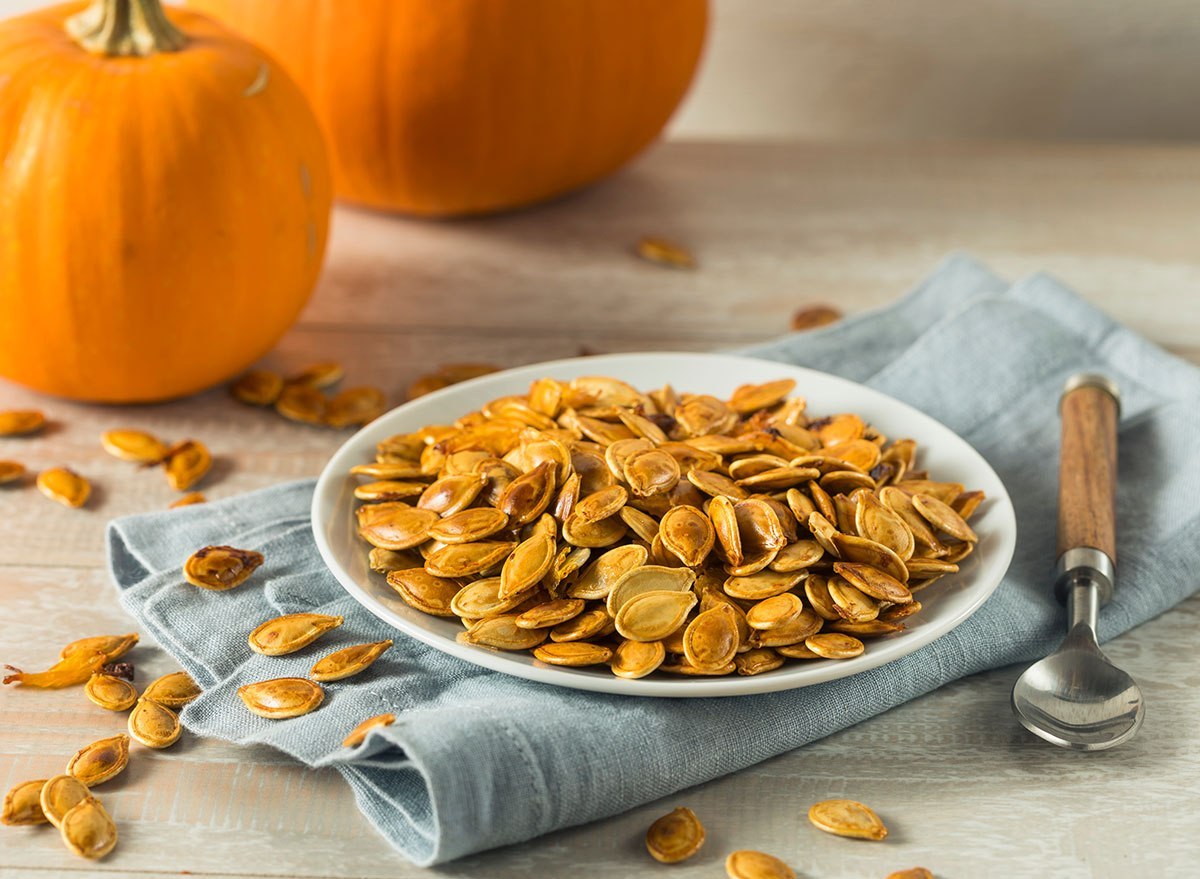
9. Pumpkin Seeds Offer Additional Nutritional Benefits
Don't throw away the seeds.
Pumpkin seeds are rich in:
-
Plant protein
-
Healthy unsaturated fats
-
Magnesium
-
Zinc
-
Iron
-
Phosphorus
Magnesium supports:
-
Muscle function
-
Nerve function
-
Bone health
-
Energy production
Zinc contributes to immune function and wound healing.
Roasted pumpkin seeds make a nutritious snack when prepared with minimal added salt.
10. Easy to Include in Everyday Meals
One reason nutrition experts appreciate pumpkin is its versatility.
It can be prepared in countless ways, including:
-
Roasted cubes
-
Creamy soups
-
Vegetable curries
-
Smoothies
-
Whole-grain muffins
-
Oatmeal
-
Salads
-
Pasta sauces
-
Stir-fries
Its naturally mild sweetness pairs well with both savory and sweet dishes.
Choosing fresh pumpkin whenever possible allows you to control the amount of added sugar, salt, and fat.
Pumpkin vs. Pumpkin-Flavored Foods
Many foods labeled "pumpkin-flavored" contain little or no real pumpkin.
Examples include:
-
Sweetened coffee drinks
-
Flavored syrups
-
Desserts
-
Candy
-
Pastries
These products may contain:
-
Large amounts of added sugar
-
Saturated fat
-
Refined flour
If your goal is to enjoy pumpkin's nutritional benefits, choose:
-
Fresh pumpkin
-
Frozen pumpkin
-
Plain canned pumpkin with no added sugar
Read ingredient labels carefully.
Healthy Ways to Cook Pumpkin
Preparation methods can influence the overall nutritional quality of your meal.
Healthier options include:
Roasting
Roast pumpkin with olive oil, garlic, rosemary, or black pepper.
Steaming
Steaming helps preserve the vegetable's natural flavor and nutrients.
Soup
Blend cooked pumpkin with onions, carrots, herbs, and low-sodium broth.
Puree
Use pumpkin puree as a nutritious ingredient in oatmeal, pancakes, or homemade baked goods.
Salads
Add roasted pumpkin cubes to mixed greens with nuts and seeds.
Who Should Be Careful With Pumpkin?
Pumpkin is safe for most people, but certain individuals may need specific guidance.
People With Chronic Kidney Disease
Pumpkin contains potassium.
People following potassium-restricted diets should consult their healthcare provider regarding appropriate serving sizes.
People With Diabetes
Pumpkin contains carbohydrates.
Although it can fit into a diabetes-friendly meal plan, portion control remains important.
Pair pumpkin with protein and healthy fats to create balanced meals.
People With Food Allergies
Pumpkin allergy is uncommon but possible.
Seek medical attention if you experience:
-
Hives
-
Swelling
-
Difficulty breathing
-
Severe itching
after eating pumpkin.
Common Myths About Pumpkin
Myth 1: Pumpkin Is Only Healthy in the Fall
Fresh, frozen, and canned pumpkin can be enjoyed throughout the year.
Myth 2: Pumpkin Is Too High in Sugar
Pumpkin contains naturally occurring carbohydrates, but it is relatively low in sugar compared with many fruits and desserts.
Myth 3: Pumpkin Seeds Are Unhealthy
When eaten in moderate portions and prepared without excessive salt or sugar, pumpkin seeds are highly nutritious.
Myth 4: Pumpkin Alone Can Prevent Disease
No individual food can prevent or cure chronic illnesses.
Pumpkin works best as part of a balanced eating pattern that includes a variety of fruits, vegetables, whole grains, lean proteins, and healthy fats.

Tips for Buying and Storing Pumpkin
To get the best quality:
-
Choose pumpkins that feel heavy for their size.
-
Look for firm skin without soft spots or mold.
-
Store whole pumpkins in a cool, dry place.
-
Refrigerate cut pumpkin and use it within a few days.
-
Freeze cooked pumpkin puree for longer storage.
Simple Meal Ideas
Here are a few easy ways to enjoy pumpkin more often:
-
Breakfast: Stir pumpkin puree into oatmeal with cinnamon and chopped walnuts.
-
Lunch: Add roasted pumpkin to a quinoa salad with spinach and feta cheese.
-
Snack: Enjoy roasted pumpkin seeds with a sprinkle of herbs.
-
Dinner: Serve baked salmon with roasted pumpkin and steamed broccoli.
-
Dessert: Make homemade pumpkin yogurt parfaits using plain Greek yogurt and fresh pumpkin puree instead of sugary pumpkin pie filling.
Final Thoughts
Pumpkin is one of nature's most nutritious and versatile vegetables. Rich in beta-carotene, vitamins A and C, fiber, potassium, and antioxidants, it offers a wide range of health benefits that support vision, immune function, heart health, digestion, healthy skin, and overall well-being. Its naturally low calorie content and satisfying fiber also make it a smart choice for those looking to maintain a healthy weight.
While pumpkin is not a miracle food, incorporating it regularly into a balanced diet can contribute to long-term health. Pair it with other colorful vegetables, fruits, whole grains, lean proteins, and healthy fats to create meals that are both delicious and nourishing.
As always, remember that lasting health comes from consistent healthy habits rather than any single ingredient. By making pumpkin a regular part of your meals, you're taking one simple step toward supporting your health in a flavorful, nutrient-rich way.