Many people assume that once an appliance is turned off, it stops using electricity completely. However, that is not always the case. Modern homes are filled with electronic devices that continue drawing small amounts of power even when they appear to be switched off. This phenomenon is commonly known as "standby power" or "phantom energy."
While the electricity consumed by a single device may seem insignificant, the combined impact of multiple electronics operating around the clock can contribute noticeably to household energy consumption over time.
Understanding which devices commonly consume standby power can help homeowners make informed decisions and potentially reduce unnecessary electricity use.
Here are 5 common household devices that may continue using energy when left plugged in.
What Is Phantom Energy?
Phantom energy refers to electricity consumed by electronic devices when they are not actively being used.
Many modern appliances remain partially powered to support features such as:
-
Remote controls
-
Digital clocks
-
Wi-Fi connectivity
-
Automatic updates
-
Memory settings
-
Quick startup functions
Although convenient, these features often require a continuous supply of electricity.
Why Reducing Standby Power Matters
Reducing unnecessary energy consumption may offer several benefits.
Potential Advantages
-
Lower electricity bills
-
Reduced environmental impact
-
Improved energy efficiency
-
Less wasted electricity
While unplugging devices alone will not dramatically transform household energy use, small savings can accumulate over time.
1. Television Sets
Modern televisions often remain in standby mode even after being turned off.
Why TVs Continue Using Power
Many televisions maintain power for:
-
Remote-control activation
-
Instant startup features
-
Software updates
-
Internet connectivity
Signs Your TV Is Using Standby Power
Common indicators include:
-
Small LED lights remaining illuminated
-
Network activity indicators
-
Connected smart features
What You Can Do
If the television will not be used for an extended period, unplugging it or using a power strip may help reduce standby energy consumption.
2. Cable Boxes, Streaming Devices, and Media Players
Entertainment devices are among the most common sources of phantom energy.
Examples include:
-
Cable boxes
-
Streaming sticks
-
Media players
-
Satellite receivers
Why They Consume Power
Many remain active to:
-
Download updates
-
Maintain network connections
-
Record scheduled programs
-
Support instant-on functionality
Energy Use Adds Up
Because these devices often remain plugged in continuously, their annual energy consumption may be higher than many people realize.
3. Phone and Laptop Chargers
Chargers are frequently left plugged into wall outlets even when no device is attached.
What Happens?
Many chargers continue drawing a small amount of electricity while connected to power.
Although the amount is generally small, millions of households leaving chargers plugged in continuously can contribute to unnecessary energy use.
Common Chargers
-
Smartphone chargers
-
Tablet chargers
-
Laptop power adapters
-
Smartwatch chargers
Best Practice
Unplug chargers when not in use, particularly if they remain idle for extended periods.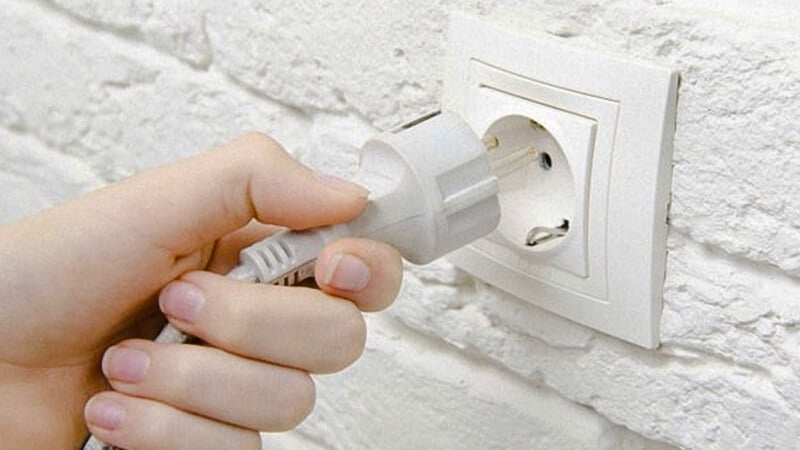
4. Desktop Computers and Computer Accessories
Computers often continue using electricity even after shutdown.
Devices That May Draw Standby Power
-
Desktop computers
-
Monitors
-
Printers
-
Speakers
-
External hard drives
Why?
Many electronics remain partially powered to support:
-
Sleep mode
-
Automatic updates
-
Network access
-
Quick startup features
Potential Savings
Turning off power strips connected to computer workstations may help eliminate unnecessary standby consumption.
5. Coffee Makers and Kitchen Appliances With Digital Displays
Many kitchen appliances contain clocks, timers, and electronic control panels.
Examples include:
-
Coffee makers
-
Microwave ovens
-
Toaster ovens
-
Air fryers
-
Rice cookers
Why They Use Electricity
The digital displays and internal electronics require continuous power to maintain settings and display information.
Small but Constant
Although each appliance may consume only a small amount of energy, multiple devices operating continuously can contribute to overall electricity usage.
Other Common Sources of Standby Power
In addition to the five devices above, several other electronics may continue consuming energy.
Common Examples
-
Gaming consoles
-
Smart speakers
-
Wi-Fi routers
-
Sound systems
-
Smart home hubs
-
Security cameras
-
Wireless printers
Many connected devices are designed to remain partially active at all times.
How Much Electricity Does Standby Power Use?
The amount varies depending on:
-
Device type
-
Age of the appliance
-
Energy efficiency standards
-
Usage patterns
Some modern devices are designed to consume very little standby power, while older electronics may use considerably more.
When dozens of devices operate continuously throughout the home, the total impact can become significant.
Practical Ways to Reduce Energy Waste
Fortunately, reducing phantom energy does not require major lifestyle changes.
Use Smart Power Strips
Smart power strips automatically cut power to certain devices when they are not in use.
Unplug Rarely Used Electronics
Devices used only occasionally can be unplugged between uses.
Enable Energy-Saving Modes
Many modern appliances offer built-in energy-saving settings.
Upgrade Older Electronics
Newer devices often meet stricter efficiency standards.
Turn Devices Off Completely
Whenever practical, shut down electronics instead of leaving them in standby mode.
Are There Devices You Should Not Unplug?
Yes.
Some appliances are generally best left connected.
Examples Include
-
Refrigerators
-
Freezers
-
Medical equipment
-
Home security systems
-
Internet equipment required for essential services
Always consider the device's purpose before disconnecting power.
Environmental Benefits of Reducing Energy Waste
Reducing unnecessary electricity consumption can help lower demand on energy systems.
Potential environmental benefits include:
-
Reduced greenhouse gas emissions
-
Improved energy efficiency
-
Lower resource consumption
Although individual actions may seem small, widespread adoption can have meaningful effects over time.
Common Myths About Phantom Energy
Myth 1: Turned-Off Devices Use No Electricity
Many electronics continue drawing power while in standby mode.
Myth 2: Only Large Appliances Matter
Small electronics can collectively contribute significantly to household energy consumption.
Myth 3: Standby Power Is a Major Household Expense
While phantom energy contributes to electricity use, heating, cooling, water heating, and large appliances often account for a much larger share of household energy bills.
Building Better Energy Habits
Creating energy-efficient habits does not require drastic changes.
Simple actions may include:
-
Unplugging unused chargers
-
Using power strips
-
Turning off electronics completely
-
Purchasing energy-efficient devices
Over time, these habits can become automatic.
The Bigger Picture
Reducing phantom energy is only one part of an energy-conscious household.
Additional ways to improve efficiency include:
-
Using LED lighting
-
Improving insulation
-
Maintaining appliances
-
Using energy-efficient heating and cooling systems
-
Managing water usage
Together, these measures can contribute to long-term savings and sustainability.
Final Thoughts
Many household devices continue consuming electricity long after they appear to be turned off. Televisions, streaming devices, chargers, computers, and kitchen appliances with digital displays are among the most common sources of standby power.
While the electricity used by any single device may be relatively small, multiple electronics operating continuously can contribute to unnecessary energy consumption over time. By understanding which devices commonly draw phantom power and adopting simple energy-saving habits, homeowners may be able to improve efficiency, reduce waste, and potentially lower electricity costs.
Sometimes the easiest way to save energy isn't buying new technology—it's simply paying closer attention to the devices already plugged into the wall.