Mosquitoes are more than just a seasonal nuisance. They interrupt sleep with constant buzzing, leave behind itchy and irritating bites, and in
some cases, carry diseases that pose real health risks. While many households rely on chemical sprays, coils, or electric repellents, these
solutions can come with strong odors, potential health concerns, and ongoing costs.
There is, however, a gentler and more sustainable alternative - mosquito-repelling plants.
Certain plants naturally release fragrances and essential oils that humans find pleasant and calming, but mosquitoes strongly dislike. By
placing these plants around your home - near windows, doorways, balconies, patios, or gardens - you can reduce mosquito activity while also
enhancing your living space with greenery, beauty, and soothing scents.
Below are seven beautiful, fragrant plants that not only help repel mosquitoes but also bring added aesthetic and wellness benefits to your
home.
1. Schefflera
Schefflera is a popular indoor plant often chosen for its glossy leaves and elegant structure. It fits easily into modern interiors and is
commonly placed in living rooms, offices, or quiet corners of the home.
Beyond its decorative appeal, Schefflera releases a subtle, refreshing fragrance that humans find pleasant but mosquitoes tend to avoid. This
gentle scent helps discourage insects from lingering indoors without overwhelming the space.
Schefflera is also known for improving indoor air quality and requires minimal care, making it an excellent choice for households looking for a
low-maintenance, natural mosquito-repelling plant.
2. Marigold
Marigolds are widely loved for their bright colors and cheerful appearance, but their insect-repelling abilities are often overlooked.
The strong, distinctive scent released by marigold flowers and leaves is highly effective at keeping mosquitoes away. This makes them ideal for
planting near entrances, windows, balconies, or garden borders where mosquitoes tend to gather.
In addition to repelling mosquitoes, marigolds help deter other harmful insects, offering natural protection for nearby plants. Their vibrant
blooms also add warmth and energy to outdoor and indoor spaces, especially during warmer months.
3. Mint
Mint is one of the most versatile and practical plants you can grow at home. Its crisp, cooling aroma is refreshing for people but
overwhelming for mosquitoes.
The strong scent interferes with mosquitoes’ ability to locate humans, making mint an effective natural repellent. Placing potted mint near
doors, windows, or kitchen areas can significantly reduce mosquito activity indoors.
Mint also offers everyday usefulness beyond pest control. Its leaves can be used in cooking, drinks, or herbal teas, making it a multifunctional
plant that combines beauty, utility, and protection.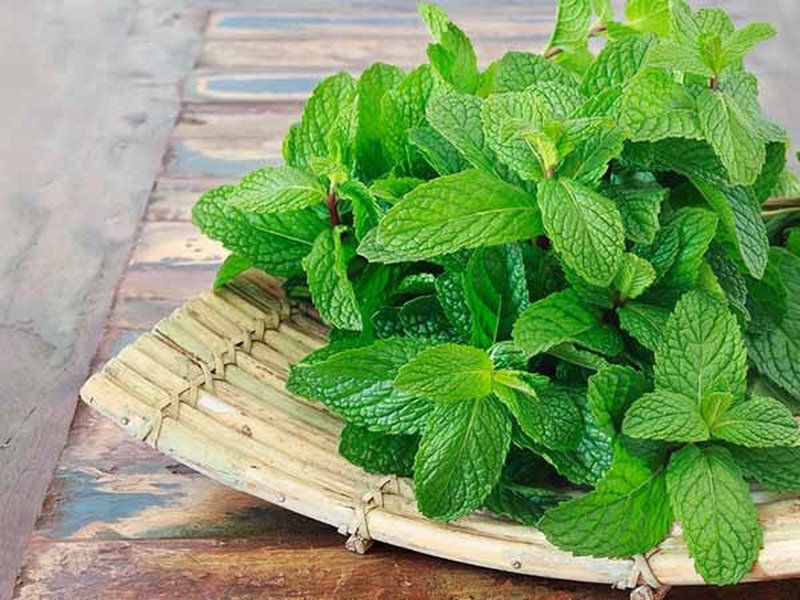
4. Rosemary
Rosemary is a fragrant herb that thrives in warm, sunny conditions and does especially well during summer months. Its woody aroma comes
from natural essential oils that mosquitoes strongly dislike.
This makes rosemary a perfect dual-purpose plant. It can be grown in pots, garden beds, or near sunny windows, serving both as a mosquito
repellent and a flavorful culinary herb.
Beyond its insect-repelling properties, rosemary is also associated with cognitive and wellness benefits, including supporting memory,
reducing stress, and aiding digestion - adding even more value to your home environment.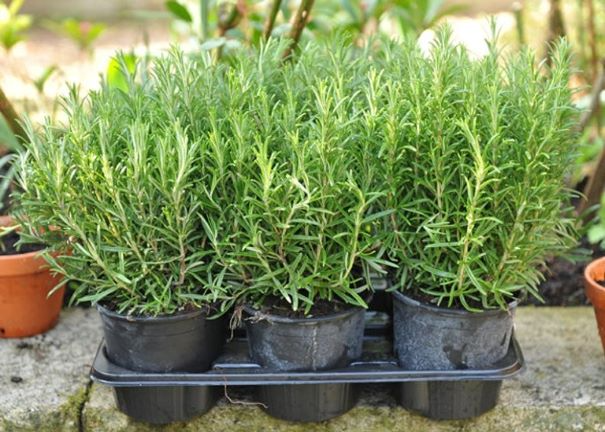
5. Lavender
Lavender is renowned for its soft purple flowers and calming fragrance. Its scent is widely used to promote relaxation, ease anxiety, and
improve sleep quality.
Ironically, while lavender is soothing to humans, mosquitoes find it unbearable. Lavender’s natural oils disrupt mosquito sensory receptors,
making it one of the most effective natural repellents available.
Lavender can be grown indoors or outdoors, and its dried flowers can be used in sachets, pillows, or decorative bowls. This allows you to
enjoy long-lasting aromatherapy benefits while keeping mosquitoes at bay.
6. Lemongrass
Lemongrass is both a culinary staple and one of the most powerful mosquito-repelling plants. It contains citronella, a compound commonly
used in commercial insect repellents.
Research has shown that citronella-rich plants like lemongrass can be highly effective when placed strategically around homes. Planting
lemongrass near doors, patios, or garden areas can significantly reduce mosquito presence.
While lemongrass is highly effective, care should be taken around children, as its sharp-edged leaves can cause minor cuts or skin irritation if
handled roughly.
7. Fragrant Stone Lotus
Fragrant stone lotus is a unique succulent that stands apart from most succulents, which are typically odorless. This variety releases a gentle,
pleasant fragrance that helps repel mosquitoes while promoting a sense of calm.
Its subtle scent can reduce stress, improve mood, and create a relaxing indoor atmosphere. Due to its compact size and sculptural
appearance, fragrant stone lotus is ideal for desks, shelves, or small indoor spaces.
Easy to maintain and visually striking, this plant is a great option for those seeking a low-care solution that combines beauty, relaxation, and
natural insect protection.
Final Thoughts
Using plants to repel mosquitoes is a natural, eco-friendly, and visually pleasing alternative to chemical repellents. These plants do more than
just keep insects away - they improve air quality, reduce stress, and add warmth and beauty to your living space.
By incorporating one or more of these fragrant plants into your home, you can create an environment that feels calmer, healthier, and
naturally protected from mosquitoes. Sometimes, the simplest solutions rooted in nature are the most effective and rewarding.