
The refrigerator is one of the most important appliances in every home. It keeps food fresh, slows spoilage, and helps families save time and
money. Yet despite regular cleaning, many people still struggle with common fridge problems such as unpleasant odors, excess moisture, frost
buildup, and food that seems to go bad too quickly.
What many don’t realize is that a simple kitchen ingredient ordinary salt - can help solve several of these issues at once.
Placing a small bowl or container of salt inside the refrigerator is an old household trick that has been quietly used for generations. It costs
almost nothing, requires no chemicals, and can save a surprising amount of time and effort in daily kitchen routines.
Here’s why so many people swear by it.
Why Salt Works Inside the Refrigerator
Salt is naturally hygroscopic, meaning it absorbs moisture from the air. This single property makes it incredibly useful in enclosed spaces like
refrigerators, where humidity, temperature changes, and food odors constantly interact.
When placed inside the fridge, salt helps regulate the environment rather than just masking problems.
1. Eliminates Unpleasant Odors Naturally
One of the most common refrigerator complaints is lingering smells - from leftover food, seafood, cheese, or spilled liquids.
Salt helps by:
-
Absorbing odor-causing moisture
-
Neutralizing smells instead of covering them up
-
Preventing odors from spreading between foods
Unlike scented deodorizers, salt does not introduce artificial smells that can mix with food aromas. This keeps your refrigerator smelling clean
and neutral.
How to use it:
Place a small open bowl or cup of coarse salt on a shelf in the fridge. Replace it every 2–4 weeks or when it becomes damp.
2. Reduces Excess Moisture and Condensation
Too much moisture inside the refrigerator can lead to:
-
Water droplets on shelves
-
Faster spoilage of fruits and vegetables
-
Mold growth in corners and drawers
Salt absorbs excess humidity, helping create a drier and more stable environment.
This means:
-
Vegetables stay crisp longer
-
Less condensation on fridge walls
-
Reduced need for frequent wiping and cleaning
Over time, this small trick can significantly reduce maintenance.
3. Helps Food Stay Fresh Longer
Many foods spoil faster in overly humid conditions. By reducing moisture, salt indirectly helps slow down bacterial and mold growth.
Foods that benefit most include:
-
Leafy greens
-
Fresh herbs
-
Cheese
-
Cooked leftovers
While salt does not preserve food directly, it helps create conditions that support longer freshness, reducing food waste.
4. Saves Cleaning Time and Effort
A drier refrigerator means:
-
Fewer spills turning sticky
-
Less mold or mildew in drawers
-
Reduced buildup of grime in corners
This translates to fewer deep cleans and quicker weekly maintenance. For busy households, that time saved adds up quickly.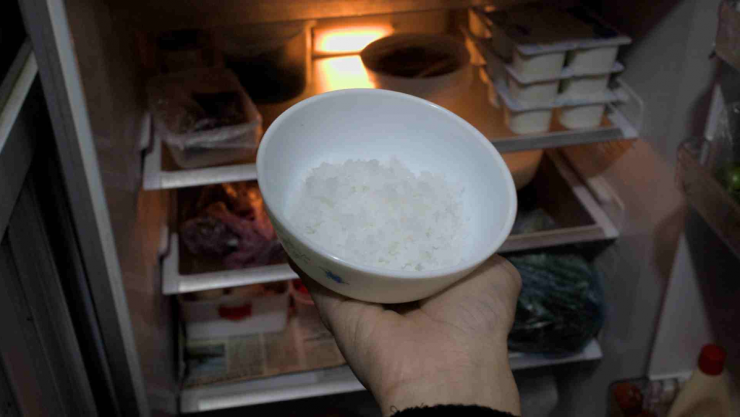
5. Prevents Ice and Frost Buildup (Supportive Effect)
In some refrigerators - especially older models excess moisture contributes to frost buildup.
By absorbing humidity, salt may help:
-
Slow frost formation
-
Reduce ice accumulation in corners
-
Improve airflow inside the fridge
While it won’t replace defrosting, it can help extend the time between cleanings.
6. A Safe, Chemical-Free Option
Many commercial fridge deodorizers contain chemicals or fragrances. Salt offers a natural alternative that is:
-
Non-toxic
-
Odorless
-
Safe around food
-
Inexpensive and accessible
This makes it especially appealing for families with children or those who prefer low-chemical homes.
How to Use Salt in the Refrigerator Properly
What you need:
-
Coarse salt or regular table salt
-
A small bowl, cup, or breathable container
Steps:
-
Pour a handful of salt into the container
-
Place it on a stable shelf or in a corner
-
Replace every few weeks or when damp
Optional:
You can mix salt with a few grains of rice for extra moisture absorption.
Important Tips to Remember
-
Do not spill salt directly onto fridge surfaces
-
Keep the container away from children
-
Replace regularly for best results
-
This is a supportive trick, not a replacement for proper food storage
Final Thoughts
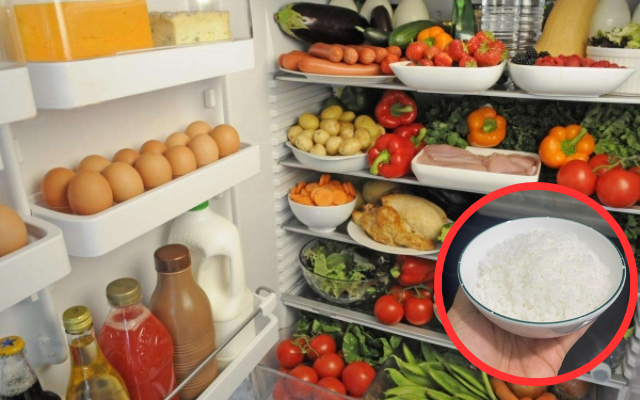
Sometimes the most effective household solutions are the simplest ones. Placing a handful of salt in your refrigerator is an easy, affordable
habit that can reduce odors, control moisture, extend food freshness, and save valuable cleaning time.
It requires no special tools, no chemicals, and almost no effort - yet the benefits are noticeable.
In a world full of complicated products, this old-fashioned trick proves that smart living often starts with what you already have in your
kitchen.