Snakes are an important part of the ecosystem. They help control rodent populations and maintain ecological balance. However, most homeowners prefer not to find them hiding near patios, garages, or garden paths. While plants themselves do not “attract” snakes in the way flowers attract bees, certain types of vegetation can create ideal shelter, shade, moisture, and prey conditions that make your property more appealing to them.
Understanding which landscaping choices may unintentionally provide a snake-friendly habitat can help you make adjustments while maintaining a healthy, beautiful yard.
Below are eight types of plants and garden conditions that may increase the likelihood of snakes visiting your property.
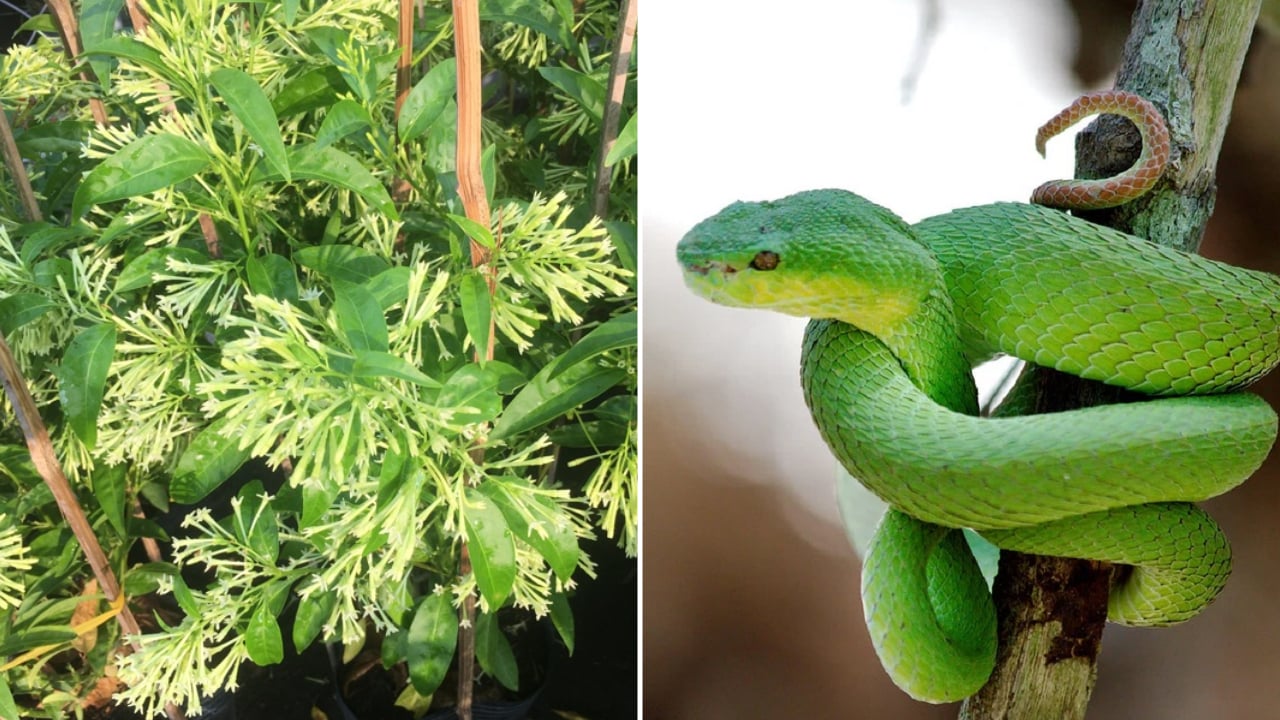
1. Dense Ground Covers (Ivy, Creeping Plants)
Thick ground covers such as ivy, creeping juniper, or dense ornamental vines create shaded, moist areas close to the ground.
Why It Matters:
Snakes prefer:
-
Cool shelter
-
Protection from predators
-
Hidden pathways
Dense ground cover provides all three.
If left untrimmed, these areas can become ideal hiding spots where snakes can remain unnoticed.
Tip: Regularly trim and thin ground cover to reduce excessive density.
2. Tall Ornamental Grasses
Decorative grasses like pampas grass or fountain grass add texture and movement to landscaping, but they can also create concealed spaces at their base.
Why It Matters:
Tall grasses:
-
Offer shade
-
Hide small rodents
-
Provide cover from predators
Snakes often follow prey such as mice, which may nest in these grassy clumps.
Tip: Keep grasses trimmed and avoid planting them directly next to home foundations.
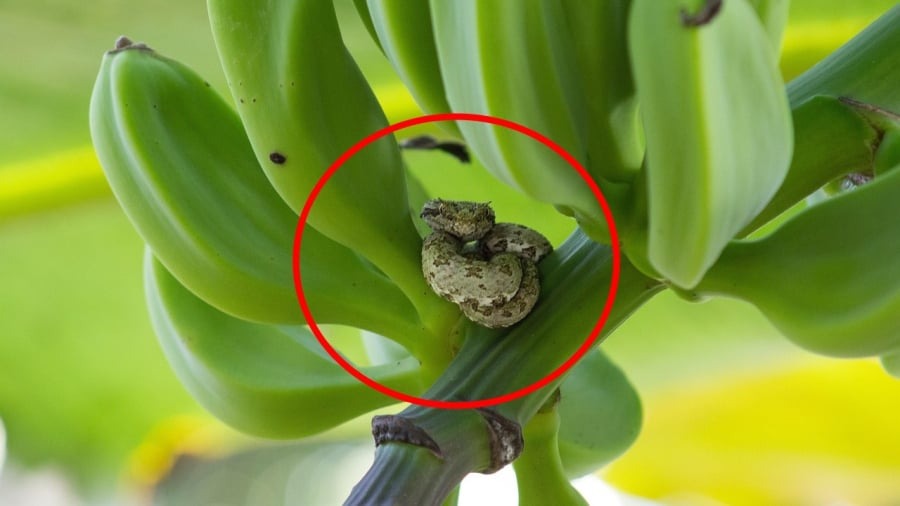
3. Thick Shrubs and Hedges
Large, unpruned hedges and shrubs create low-visibility zones.
Why It Matters:
Shrubs can:
-
Trap moisture
-
Create cool microclimates
-
Shelter rodents and insects
Snakes are drawn more to the prey than to the plant itself. Overgrown shrubs often host small mammals, which attract snakes.
Tip: Maintain proper spacing and pruning to improve airflow and visibility.
4. Fruit Trees and Fallen Produce
Fruit-bearing trees such as fig, mango, or citrus trees may indirectly attract snakes.
Why It Matters:
Fallen fruit attracts:
-
Rodents
-
Insects
-
Small animals
Rodents are a primary food source for many snake species.
Tip: Regularly remove fallen fruit and keep the area beneath trees clean.
5. Compost Piles and Mulch Beds
While not technically plants, compost and mulch often accompany garden vegetation.
Why It Matters:
Compost piles:
-
Generate warmth
-
Provide shelter
-
Attract insects and rodents
Snakes may use these areas as temporary refuge.
Tip: Keep compost bins sealed and maintain mulch at moderate depths.
6. Water-Loving Plants (Near Ponds or Water Features)
Gardens with ponds, water lilies, or moisture-retaining plants create damp environments.
Why It Matters:
Water sources attract:
-
Frogs
-
Insects
-
Small animals
These creatures serve as food for snakes.
Tip: Keep water features clean and avoid excessive plant overgrowth around pond edges.
7. Low-Hanging Tree Branches and Dense Tree Canopies
Trees with branches that hang low to the ground can create shaded hiding spots.
Why It Matters:
Shade reduces temperature extremes, making it comfortable for snakes to rest during the day.
Dense canopy areas may also hide prey animals.
Tip: Trim branches to increase light exposure near the ground.
8. Overgrown Vegetable Gardens
Vegetable gardens with sprawling plants such as squash, pumpkins, or dense tomato vines can create thick cover.
Why It Matters:
Vegetable gardens often attract rodents and insects.
If the area is not maintained, snakes may use it as both hunting ground and shelter.
Tip: Keep rows clear, harvest regularly, and remove decaying plant matter.
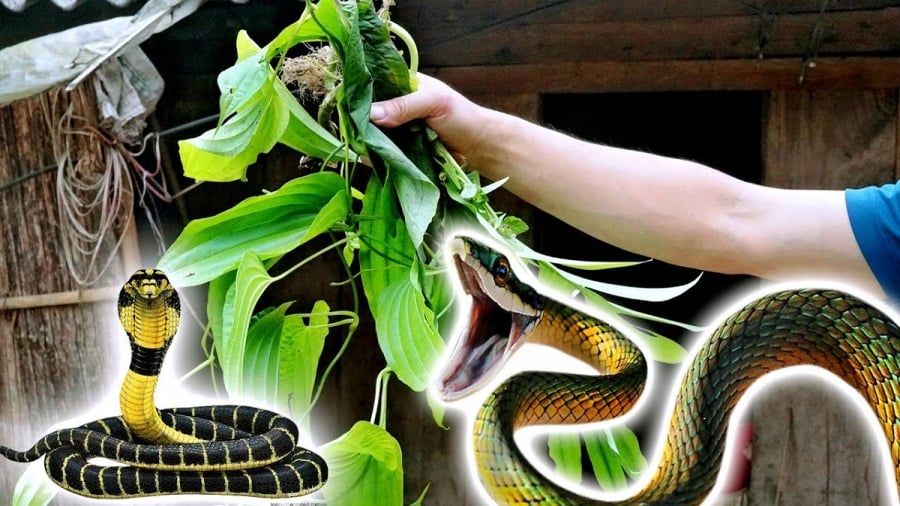
Important Clarification
Plants do not intentionally attract snakes. Snakes are drawn to environments that provide:
-
Shelter
-
Shade
-
Moisture
-
Food sources
Reducing these environmental factors decreases the likelihood of snake presence.
Additional Preventive Measures
In addition to landscaping adjustments, consider:
-
Sealing cracks and gaps around foundations
-
Installing snake-proof fencing in high-risk areas
-
Keeping lawns trimmed
-
Removing debris piles (wood, rocks, leaf litter)
-
Controlling rodent populations
Final Thoughts
A healthy yard does not have to become a snake habitat. Awareness and maintenance are key.
By trimming dense plants, managing fallen fruit, maintaining compost properly, and reducing rodent-friendly conditions, you can significantly lower the chances of snakes visiting your property.
Snakes play a valuable ecological role, but thoughtful landscaping helps ensure they remain in natural habitats rather than near your home. Prevention is less about eliminating plants — and more about creating a balanced, well-maintained outdoor space.