Most people experience ringing in the ears at some point in their lives. It might happen after attending a loud concert, standing near construction noise, enduring a stressful week, or simply feeling overtired. In many cases, the sound fades within minutes or hours.
However, when ringing in the ears becomes frequent, persistent, or progressively noticeable, it should not be dismissed as a minor inconvenience. This condition, medically known as tinnitus, is not a disease itself — but it is often a symptom. And like many symptoms, it can be your body’s way of signaling that something deeper may need attention.
Understanding tinnitus and its potential causes allows you to respond early, protect your hearing, and safeguard your long-term health.

What Is Tinnitus?
Tinnitus is the perception of sound without an external source. Individuals may describe it as:
-
Ringing
-
Buzzing
-
Hissing
-
Whistling
-
Clicking
-
Roaring
The sound may affect one ear or both. It may come and go intermittently or persist continuously. Some people notice it only in quiet environments, while others find it intrusive enough to disturb sleep, concentration, and emotional well-being.
The severity varies widely. For some, tinnitus is mild and manageable. For others, it significantly impacts quality of life.
Common Causes of Frequent or Persistent Ear Ringing
Tinnitus can stem from various underlying factors, ranging from benign to more serious conditions.
1. Hearing Loss or Inner Ear Damage
One of the most common causes of tinnitus is damage to the delicate hair cells within the inner ear.
Why It Happens:
These tiny sensory cells help convert sound waves into electrical signals that the brain interprets as sound. When they become damaged — due to aging, loud noise exposure, or sudden acoustic trauma — they may send irregular signals to the brain.
The brain may interpret these abnormal signals as sound, even when none is present.
Risk Factors Include:
-
Long-term exposure to loud environments
-
Frequent headphone use at high volume
-
Aging-related hearing decline
-
Sudden loud noise (explosions or accidents)
Tinnitus related to hearing loss often becomes more noticeable in quiet settings and may be accompanied by difficulty understanding speech.
2. High Blood Pressure and Circulatory Changes
In some cases, tinnitus may be linked to blood flow irregularities near the ear.
Possible Contributing Conditions:
-
High blood pressure
-
Narrowed or hardened arteries (atherosclerosis)
-
Abnormal blood flow patterns
When tinnitus pulses in rhythm with your heartbeat, it is referred to as pulsatile tinnitus. This form requires medical evaluation, as it may reflect vascular changes.
Managing cardiovascular health plays a crucial role in prevention.
3. Chronic Stress and Anxiety
The relationship between stress and tinnitus is significant.
Stress increases cortisol levels and heightens nervous system sensitivity. This can amplify the perception of internal sounds, making tinnitus seem louder or more intrusive.
Stress-Related Factors:
-
Sleep deprivation
-
Emotional strain
-
Chronic anxiety
-
Burnout
Many individuals report that tinnitus intensifies during stressful periods and improves when stress is reduced.
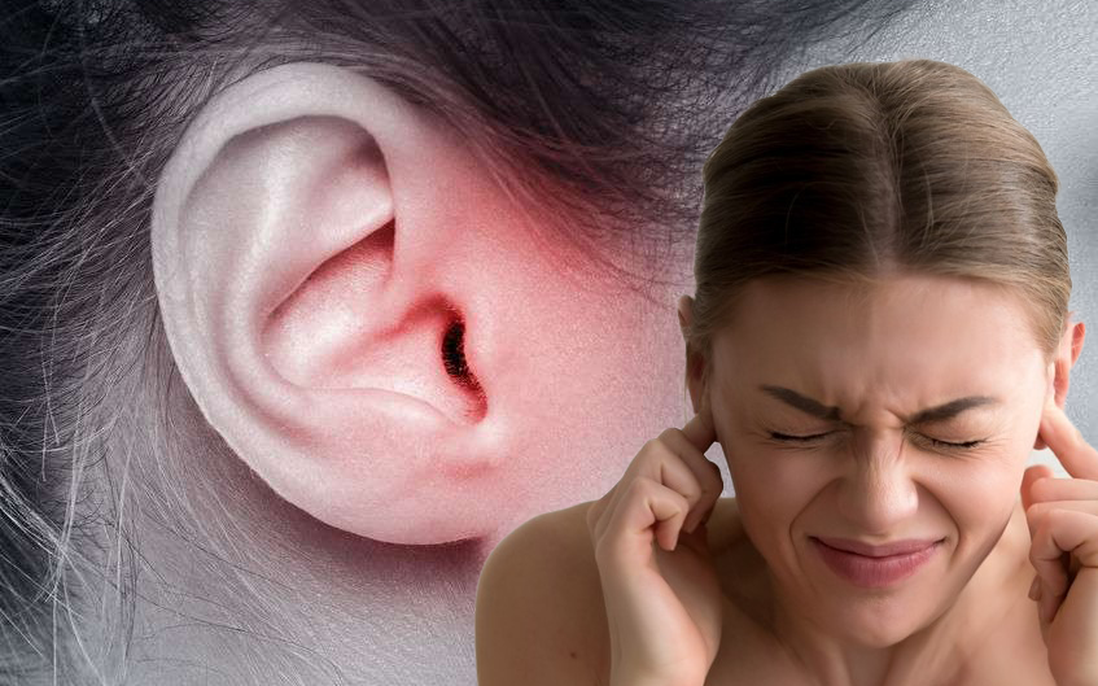
4. Ear Infections or Blockages
Physical obstructions in the ear canal can disrupt normal sound transmission.
Common causes include:
-
Impacted earwax
-
Middle ear infections
-
Eustachian tube dysfunction
When pressure builds up or sound waves are altered, tinnitus may temporarily develop.
In many cases, treating the infection or clearing the blockage resolves the issue.
5. Temporomandibular Joint (TMJ) Disorders
The temporomandibular joint (TMJ), located near the ear, connects the jaw to the skull. Because of its close proximity to auditory nerves, dysfunction in this joint can contribute to ear ringing.
Symptoms That Suggest TMJ Involvement:
-
Jaw pain
-
Clicking or popping sounds when chewing
-
Teeth grinding
-
Facial tension
-
Headaches
Addressing TMJ issues often reduces tinnitus symptoms.
6. Medication Side Effects
Certain medications can contribute to or worsen tinnitus, especially when taken in high doses or over long periods.
These may include:
-
Some antibiotics
-
High doses of aspirin
-
Certain antidepressants
-
Chemotherapy medications
Never stop or adjust medication without consulting a healthcare provider. If tinnitus develops after starting a new medication, discuss it with your doctor.
7. Neurological Conditions (Less Common but Important)
Although rare, persistent tinnitus can sometimes be associated with neurological disorders.
These may include:
-
Vestibular migraines
-
Multiple sclerosis
-
Acoustic neuroma (a noncancerous tumor affecting the auditory nerve)
Warning signs that require urgent medical evaluation include:
-
Tinnitus accompanied by dizziness
-
Facial numbness
-
Balance problems
-
Sudden hearing loss
Early diagnosis is critical in such cases.

When Should You Seek Medical Attention?
Consult a healthcare professional promptly if tinnitus:
-
Appears suddenly and intensely
-
Persists for more than two weeks
-
Is accompanied by hearing loss
-
Occurs after head trauma
-
Pulses in rhythm with your heartbeat
-
Is associated with dizziness or balance problems
Early evaluation helps identify treatable causes and prevent progression.
Managing and Reducing Tinnitus Risk
While not all cases are preventable, certain lifestyle habits can significantly reduce risk and severity.
Protect Your Hearing
-
Use ear protection in loud environments
-
Lower headphone volume
-
Take listening breaks
-
Avoid prolonged exposure to high decibel noise
Monitor Blood Pressure
-
Reduce sodium intake
-
Exercise regularly
-
Maintain a healthy weight
-
Check blood pressure routinely
Cardiovascular health is closely linked to auditory function.
Manage Stress Effectively
-
Practice relaxation techniques
-
Prioritize sleep
-
Limit screen time before bed
-
Incorporate breathing exercises or meditation
Reducing nervous system overload often improves symptom perception.
Avoid Ear Damage
-
Do not insert cotton swabs or objects into the ear canal
-
Seek professional cleaning if wax buildup occurs
-
Treat infections promptly
Review Medications
Discuss potential side effects with your healthcare provider and explore alternatives if necessary.

Final Thoughts
Ringing in the ears may seem minor at first, but persistent tinnitus should not be ignored. In many cases, it reflects manageable conditions such as stress, mild hearing strain, or temporary blockage. In others, it may indicate underlying circulatory or neurological concerns.
Listening carefully to what your body is communicating is essential. Early attention, lifestyle adjustments, and medical evaluation when necessary can prevent complications and protect long-term hearing health.
Tinnitus is not merely a sound — it is a signal. And responding to that signal early can make a meaningful difference in your overall well-being.