7 Silent Signs Your Heart Could Be in Trouble — Don’t Ignore These
Heart disease and heart attacks aren’t always dramatic events with crushing chest pain and immediate collapse. In fact, many serious cardiac problems develop quietly and present with subtle symptoms that are easy to dismiss as stress, fatigue, or indigestion. These silent signs matter — recognizing them early could save your life.
A “silent” heart attack (also called silent myocardial infarction) can happen with mild or no typical symptoms, yet it still causes damage to the heart muscle and increases the risk of future heart attacks and complications like heart failure.
Below are seven warning signs you should take seriously:
1. Unexplained or Extreme Fatigue

Feeling unusually tired, weak, or lacking energy without a clear reason — especially over days or weeks — can be a subtle sign of heart trouble. When the heart struggles to pump blood efficiently, your muscles and organs get less oxygen, leading to persistent fatigue that doesn’t improve with rest.
2. Mild Chest Discomfort or Pressure
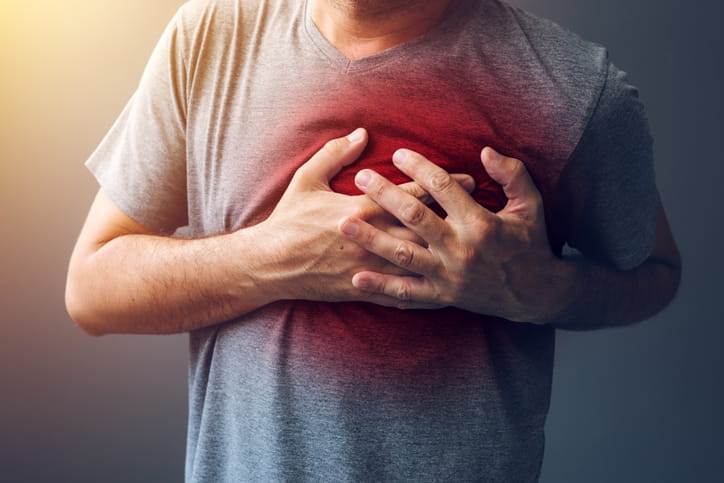
Not all cardiac events come with intense pain. Silent heart attacks often cause mild discomfort, pressure, or tightness in the chest that may be mistaken for indigestion, heartburn, or muscle strain. Even if it comes and goes, don’t ignore it.
3. Shortness of Breath
Sudden or unexplained breathlessness — during light activity or even at rest — can signal that your heart isn’t delivering enough oxygen-rich blood. This symptom may occur with or without chest discomfort.
4. Nausea, Indigestion, or Upset Stomach

Heart trouble can sometimes masquerade as digestive issues. Persistent indigestion, nausea, bloating, or heartburn that doesn’t respond to antacids could actually be a sign of a silent cardiac event.
5. Dizziness, Lightheadedness, or Fainting
Feeling dizzy, lightheaded, or like you might faint — especially without an obvious cause — could indicate reduced blood flow to the brain due to heart problems. This can be especially concerning if it occurs with other symptoms like fatigue or breathlessness.
6. Unusual Sweating
Breaking out in a cold sweat or sweating without exertion — particularly when paired with other symptoms — may be your body responding to a cardiac event. This type of sweating can be overlooked or attributed to stress, but it can be a warning sign worth checking out.
7. Pain Elsewhere in the Body
Heart-related discomfort doesn’t always stay in the chest. Pain or discomfort in the jaw, neck, shoulder, arms, or upper back — even if mild — can also be a sign of heart trouble. These symptoms are sometimes more common in women and older adults.
Why These Signs Matter
Silent heart attacks can go unrecognized because the symptoms are subtle or feel unrelated to the heart. However, they still cause permanent damage to heart muscle and increase the risk of future events. Many people only find out they’ve had a silent heart attack when it shows up on imaging tests later during a health exam.
When to Seek Help
If you experience any of the symptoms above, especially multiple signs together or if symptoms worsen or persist, seek medical care promptly. Early detection and treatment can limit heart damage and improve outcomes.
In emergencies — like severe chest discomfort, fainting, or overwhelming shortness of breath — call your local emergency number immediately.
Prevention and Risk Reduction
Even though silent signs can be subtle, many heart disease risk factors are modifiable:
- Manage blood pressure and cholesterol
- Stay physically active
- Maintain a healthy weight
- Avoid smoking
- Eat a heart-healthy diet
Regular check-ups and honest discussions with your healthcare provider about symptoms or risk factors can make a life-saving difference.