Eating Leftovers From the Fridge Can Sometimes Be Dangerous: 5 Foods You Should Be Careful Keeping Overnight
Many people believe that placing food in the refrigerator automatically makes it safe to eat for days. While refrigeration does slow bacterial growth, it does not completely stop food from spoiling or becoming dangerous.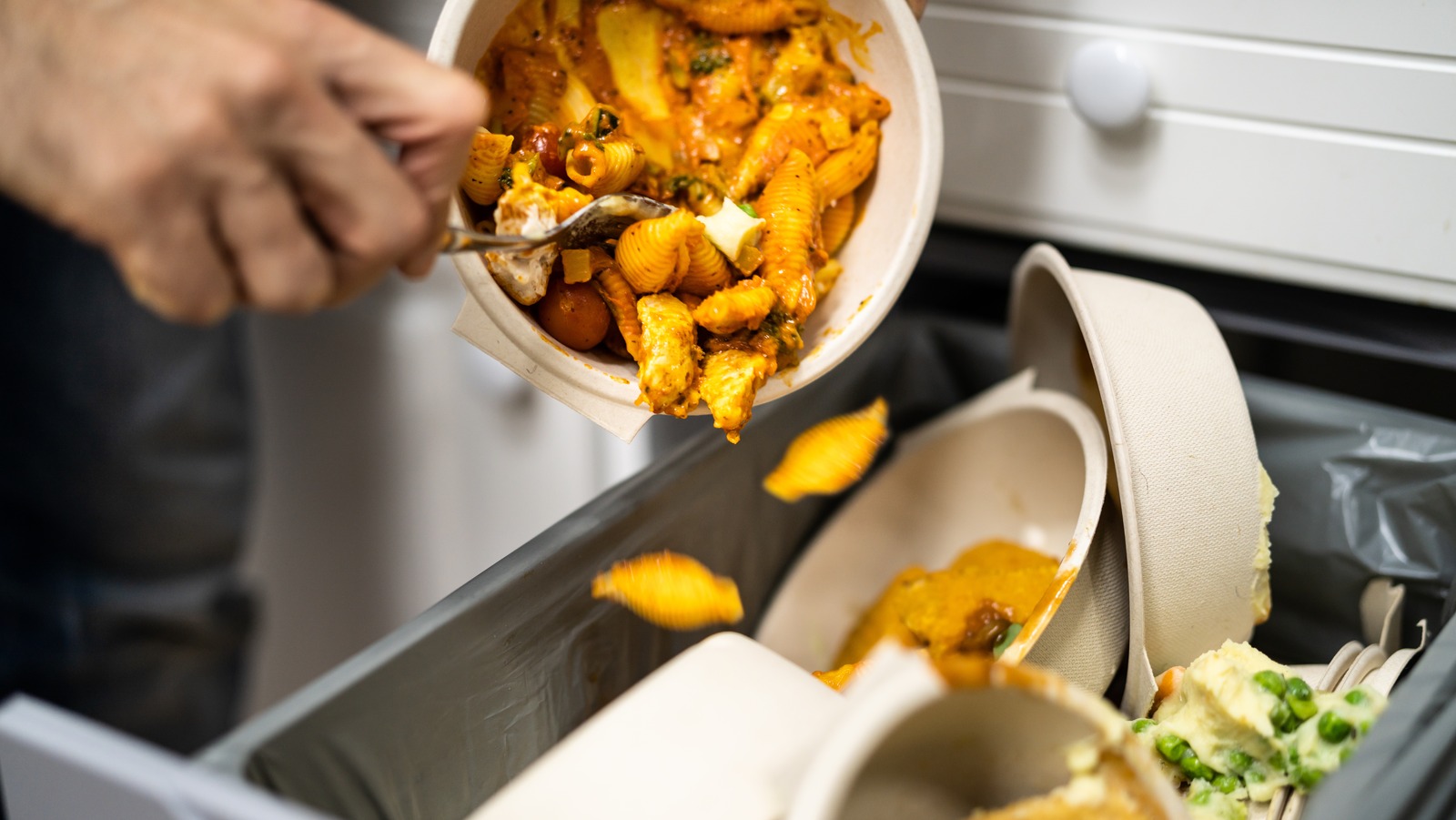
Health experts have repeatedly warned that improper food storage may increase the risk of food poisoning, digestive illness, and in severe cases, life-threatening infections. Stories occasionally emerge of people becoming seriously ill after eating leftovers they believed were still safe.
One widely discussed case involved a middle-aged man who reportedly became critically ill after consuming improperly stored leftovers from the refrigerator. While situations like this are relatively uncommon, doctors say they serve as an important reminder that some foods spoil faster than people realize.
Here are 5 types of foods experts say you should be especially careful about keeping overnight.
- Cooked Rice
Many people are surprised to learn that cooked rice can become risky if left out too long before refrigeration.
Rice may contain spores of a bacterium called Bacillus cereus. Even after cooking, these spores can survive. If rice sits at room temperature for several hours, bacteria may multiply and produce toxins that reheating may not fully destroy.
Symptoms linked to contaminated rice can include:
• Nausea
• Vomiting
• Stomach cramps
• Diarrhea
To reduce risk:
• Refrigerate rice within 1–2 hours after cooking
• Store it in shallow containers
• Reheat thoroughly only once
- Seafood
Fish, shrimp, shellfish, and other seafood can spoil very quickly, even when refrigerated.
Improperly stored seafood may develop harmful bacteria or toxins that can lead to severe food poisoning. Some types of fish may also produce histamine toxins if not kept cold enough.
Warning signs include:
• Strong sour smell
• Slimy texture
• Discoloration
Experts recommend eating refrigerated seafood leftovers within 1 day whenever possible.
- Leafy Vegetables and Cooked Greens

Cooked spinach, cabbage, celery, and certain leafy vegetables may contain naturally occurring nitrates. When improperly stored for long periods, these compounds may convert into substances that are less healthy for the body.
While occasional consumption is unlikely to cause serious harm in healthy adults, experts still recommend avoiding repeated reheating or prolonged storage of cooked leafy greens.
- Mushrooms
Cooked mushrooms are highly sensitive to improper storage and temperature changes.
If left unrefrigerated for too long before cooling, they may spoil rapidly and cause digestive discomfort. Some people may experience bloating, nausea, or stomach irritation after eating old mushroom dishes.
To stay safe:
• Refrigerate mushroom dishes quickly
• Consume within 24 hours if possible
- Eggs and Egg-Based Dishes
Egg dishes such as omelets, scrambled eggs, mayonnaise-based salads, or custards can become breeding grounds for bacteria if not stored properly.
Bacteria like Salmonella may multiply when egg products remain in the “danger zone” temperature range for too long.
Symptoms of food poisoning may include:
• Fever
• Vomiting
• Diarrhea
• Stomach pain
How to Store Leftovers Safely
Doctors and food safety experts recommend these basic precautions: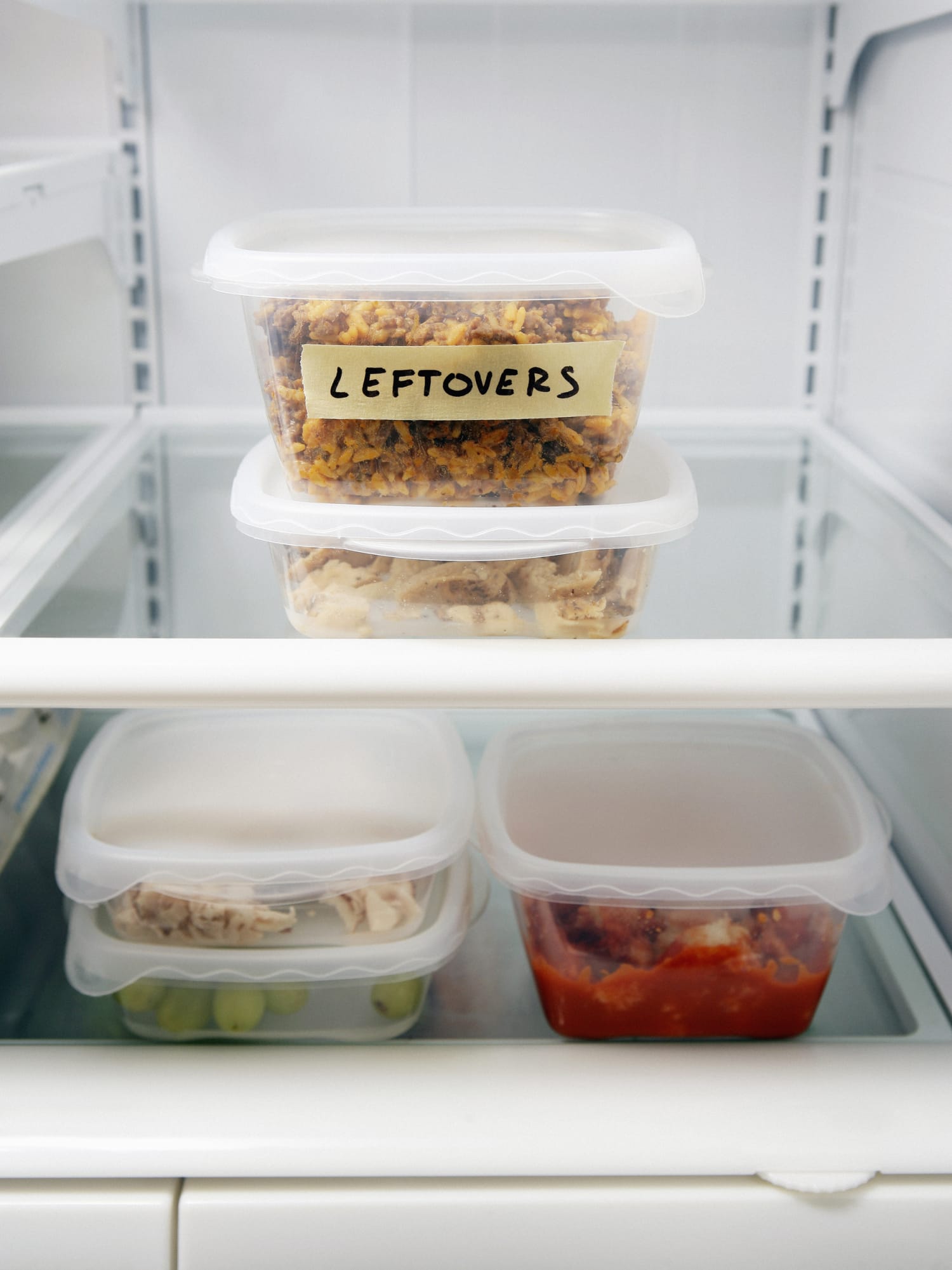
• Refrigerate leftovers within 2 hours
• Keep refrigerator temperature below 4°C (40°F)
• Use airtight containers
• Avoid repeatedly reheating the same food
• Throw away leftovers with unusual smell, color, or texture
• When in doubt, throw it out
Common Signs Food May No Longer Be Safe
Never ignore these warning signs:
• Sour or strange odor
• Mold growth
• Bubbling or slimy texture
• Color changes
• Swollen food containers
Why Refrigeration Isn’t a Perfect Solution
Many people assume cold temperatures completely stop bacteria. In reality, refrigeration only slows bacterial growth. Certain bacteria and toxins may still survive and continue developing over time.
That’s why food safety depends not only on refrigeration, but also on:
• How quickly food was cooled
• How long it stayed at room temperature
• How many times it was reheated
• Overall kitchen hygiene
The Bottom Line
Leftovers can save time and reduce food waste, but not every food remains safe after sitting overnight. Some foods spoil faster than others and may become risky even when refrigerated improperly.
Paying attention to food storage habits, refrigeration time, and warning signs may help protect you and your family from potentially serious foodborne illnesses.
If a food smells strange, looks unusual, or has been stored too long, it is often safer not to take the risk.