While some people experience constipation only temporarily, most often resolving with normal bowel movements, others suffer from chronic constipation, which can lead to daily discomfort and even more serious digestive issues.
There are several reasons why constipation can occur. For many, low dietary fiber intake or insufficient fluid consumption are primary contributors. Certain medications, medical conditions such as irritable bowel syndrome (IBS), bowel obstructions, and a sedentary lifestyle can also lead to constipation.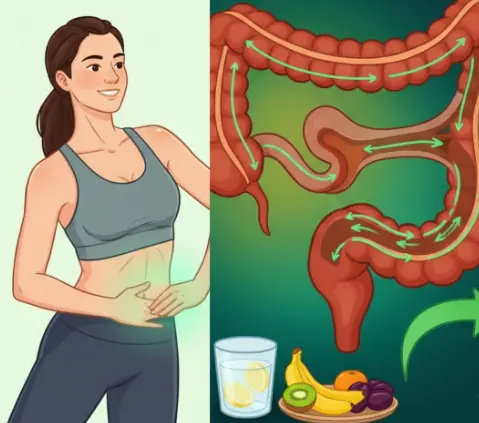
Fortunately, many home remedies can help relieve constipation naturally, often without the need for laxatives. Ingredients like prunes, aloe vera, flaxseeds, and kiwifruit can help soften stools and ease their passage.
If you struggle with infrequent bowel movements or painful, hard stools, this article outlines practical home remedies to alleviate constipation and maintain a healthy digestive system.
What is Constipation?
Food passes through the digestive system where nutrients, proteins, fats, and vitamins are absorbed. Digestive juices, bile, and gut bacteria facilitate this process. Waste products that are not absorbed are expelled through bowel movements.
According to the Mayo Clinic, constipation is defined as having fewer than three bowel movements per week or experiencing difficulty passing stools that remain hard over several weeks.
Types of Constipation
There are two main types of constipation: functional constipation and secondary constipation.
-
Functional constipation is the most common type, occurring when food moves too slowly through the digestive tract. This leads to hard, lumpy stools and infrequent bowel movements. Causes can include digestive system issues or poor diet.
-
Secondary constipation arises from underlying conditions, such as medications, stress, IBS, or other health problems that disrupt normal bowel function.
Common Causes of Constipation
Several factors can lead to constipation:
-
Low-fiber diet: Diets high in animal fats and sugars but low in fiber often result in harder stools.
-
Dehydration: Not drinking enough fluids can lead to constipation.
-
Ignoring the urge: Over time, ignoring the need to use the bathroom weakens colon muscles and reduces the sensation of needing a bowel movement.
-
Medications: Drugs containing aluminum or calcium may slow bowel movements.
-
Other causes: Pregnancy, stress, sedentary lifestyle, excessive laxative use, and underactive thyroid.
Symptoms of Constipation
Common symptoms include:
-
Straining to pass small or hard stools
-
Feeling that bowel movements are incomplete
-
Abdominal bloating or swelling
-
Pain while passing stool
-
Anal leakage (fecal incontinence)
-
Frequent gas, hemorrhoids, or discomfort
Best Home Remedies for Constipation
Here are practical, natural ways to relieve constipation:
1. Increase Fiber Intake
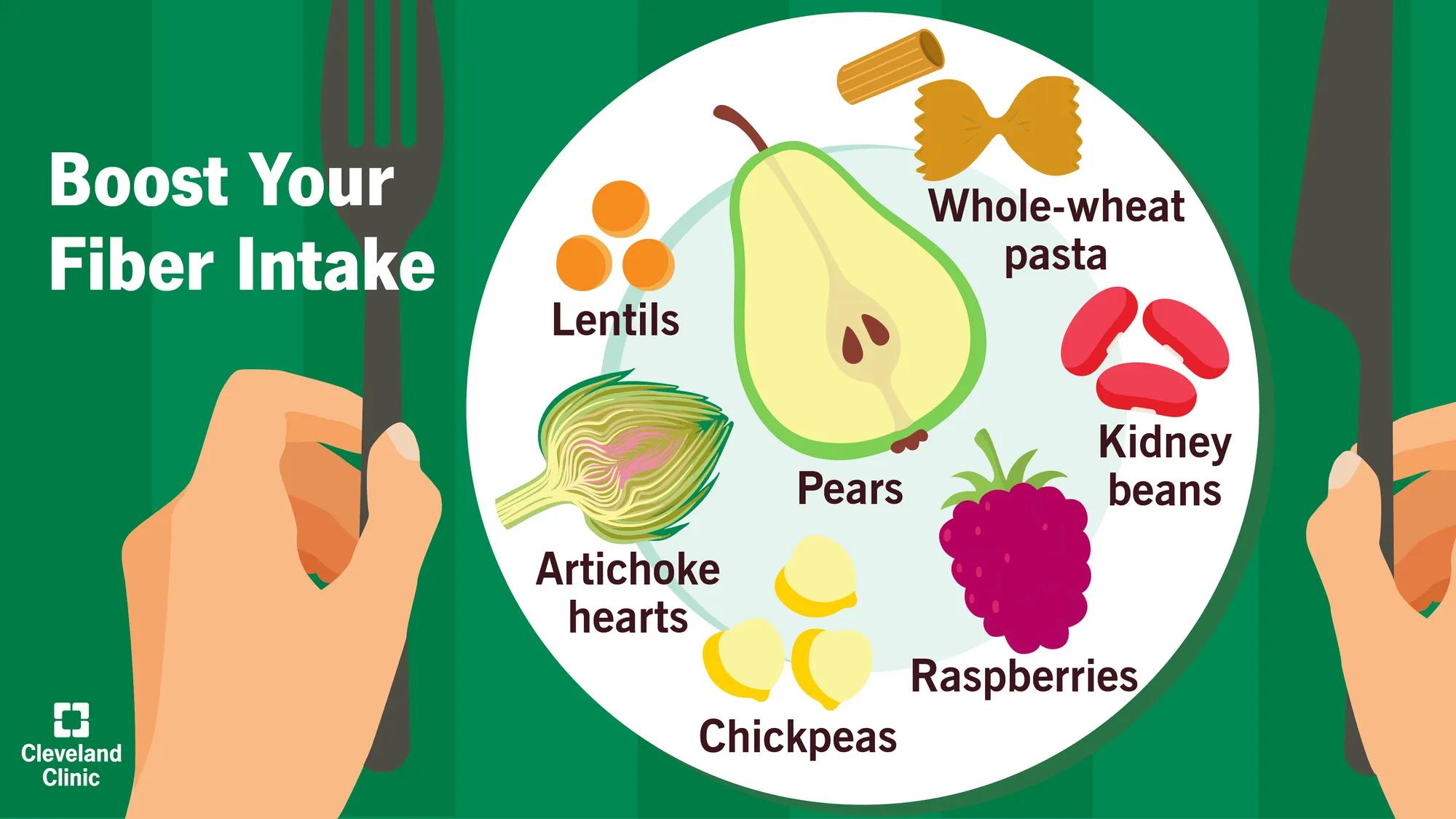
Fiber adds bulk to stools, making them easier to pass. Sources include whole grains, oats, wheat bran, citrus fruits, seeds, and fruit/vegetable skins. Gradually increase fiber intake to avoid excess gas. Fiber supplements can also be beneficial for chronic constipation.
2. Drink Plenty of Water
Adequate hydration softens stools and promotes regular bowel movements. Aim for 2–4 extra glasses of water per day. Herbal teas, honey lemon water, or naturally flavored water are excellent alternatives.
3. Eat Prunes and Figs
Prunes and figs act as natural laxatives due to their high fiber content. Research shows that 100g of prunes daily can improve stool consistency and frequency.
4. Use Castor Oil
Castor oil stimulates the intestines, easing the passage of hard stools. Take 1–2 teaspoons on an empty stomach, ideally mixed with fruit juice. Avoid prolonged use beyond 7 days.
5. Take Probiotics
:max_bytes(150000):strip_icc()/probiotic-GettyImages-1424065598-083b815d56ae4c5fa6f2a1f30de63051.jpg)
Probiotics support healthy gut bacteria and improve bowel regularity. Strains like Bifidobacterium are particularly effective. Yogurt, kefir, and other fermented foods are natural sources.
6. Aloe Vera
Aloe vera juice can act as a natural laxative. Start with 100–200 ml daily, then reduce to 50 ml for maintenance. Aloe vera helps those dependent on laxatives regain regular bowel function naturally.
7. Ground Flaxseeds
Flaxseeds have both laxative and anti-diarrheal effects. Add ground flaxseeds to yogurt, cereals, or smoothies to support digestive health.
8. Kiwifruit
Kiwifruit stimulates the digestive system and promotes regular bowel movements. Studies show that two kiwifruits daily for four weeks improve bowel frequency and function.
9. Apple Cider Vinegar
Raw, unprocessed apple cider vinegar contains pectin, fiber, and acetic acid, which may help alleviate slow-transit constipation. Mix with water or juice before meals.
10. Regular Exercise
Physical activity, even simple walking, enhances digestion and reduces constipation risk. Sedentary lifestyles are strongly linked to slower bowel movements.
11. Other Natural Laxative Foods
Other helpful foods include beans, legumes, pears, grapes, apples with skin, bananas, coconut oil, tomato puree, beetroot, and olive oil.
12. Abdominal Massage & Relaxation
Gentle abdominal massage can stimulate bowel movements. Reducing stress through meditation or relaxation techniques also promotes digestive health.
13. Simple Colon Cleanse
A combination of milk kefir and ground flaxseeds supports healthy bowel movements. Kefir introduces probiotics while flaxseeds absorb water and ease stool passage.
When to See a Doctor
Chronic constipation can lead to fecal impaction, hemorrhoids, or rectal prolapse. Consult a doctor if you experience:
-
Severe abdominal pain with inability to pass stool
-
Blood in stool
-
Unexpected weight loss
-
Severe constipation for the first time
With these remedies and lifestyle adjustments, most people can relieve constipation naturally while improving overall digestive health. Consistency is key: a combination of fiber-rich foods, hydration, exercise, and probiotics will help keep your bowel movements regular and comfortable.