Many people assume that using a good detergent, adding fabric softener, or selecting a hot-water cycle is enough to keep clothes completely clean. In reality, there is a hidden area inside the washing machine that often goes unnoticed for months—or even years: the circular base plate at the bottom of the inner drum.
This overlooked component can accumulate a surprising amount of lint, detergent residue, mineral deposits, hair, and dirt from clothing. Over time, these materials can form a dark, slimy buildup that may harbor mold and bacteria.
As the machine spins, some of this residue can break loose and mix back into the wash water. As a result, clothes may come out with a musty smell, tiny dark particles, or even cause skin irritation despite using different detergents.
Signs Your Washing Machine May Need Cleaning
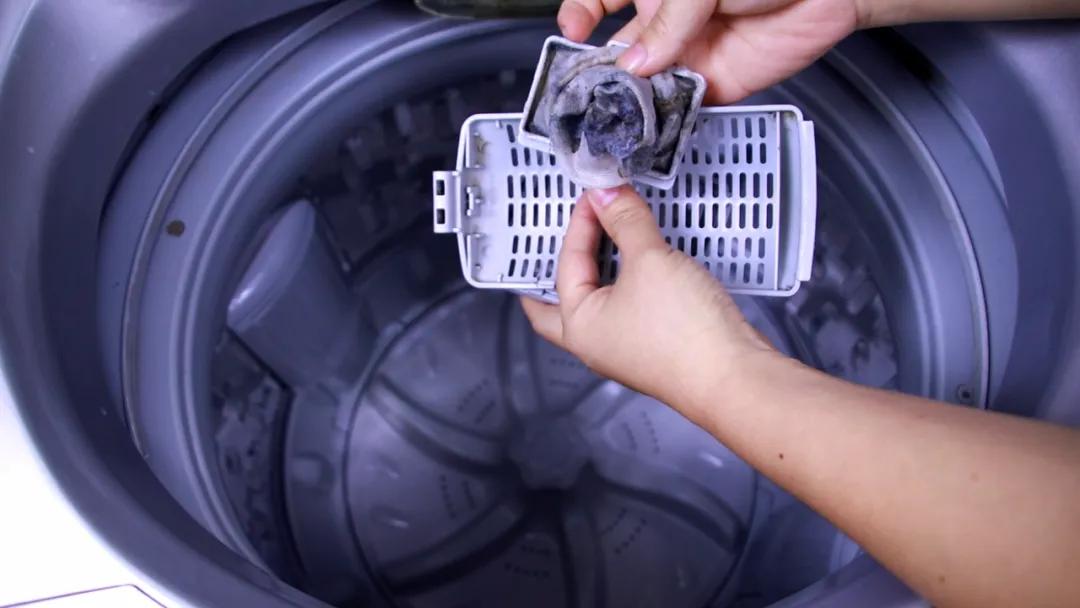
Many households only discover this issue when they notice:
- White clothes becoming dull more quickly
- Towels smelling damp even after washing
- Children experiencing itchy skin after wearing freshly washed clothes
- An unpleasant odor when the washing machine lid or door is opened
It Only Takes About 10 Minutes a Month
The good news is that cleaning this part of your washing machine is relatively simple and can be done with common household tools.
Step 1: Unplug the Washing Machine
Before cleaning, disconnect the power completely to reduce the risk of electrical shock.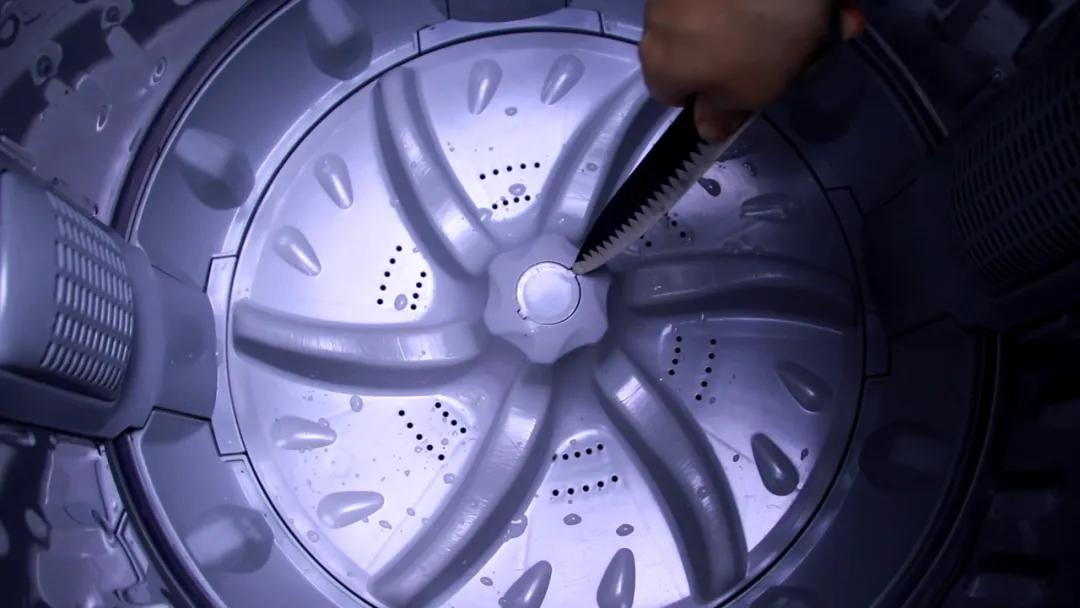
Step 2: Open the Circular Cover at the Bottom of the Drum
Inside the drum, you may notice a round cover in the center. Carefully lift it using your fingernail or a thin tool such as a small flat-head screwdriver.
Underneath, you will see screws securing the base plate.
Step 3: Remove the Base Plate
Use a screwdriver to remove the screws and set them aside. Gently wiggle the base plate from side to side and lift it out.
Many people are surprised to find black residue, slime, and unpleasant odors on the underside.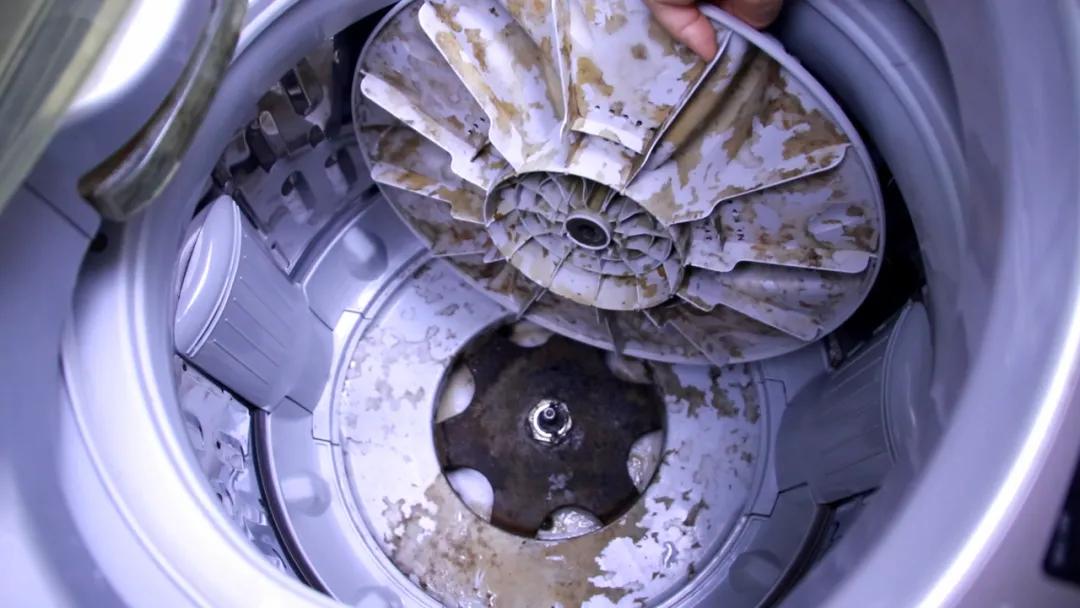
Step 4: Thoroughly Clean the Hidden Buildup
After removing the plate:
- Scrub the underside with an old toothbrush
- Use dish soap or a washing machine cleaner
- Pay special attention to small crevices where mold tends to accumulate
Also wipe the interior surface of the washing machine with a damp cloth to remove any remaining residue.
When finished:
- Rinse with clean water
- Dry thoroughly
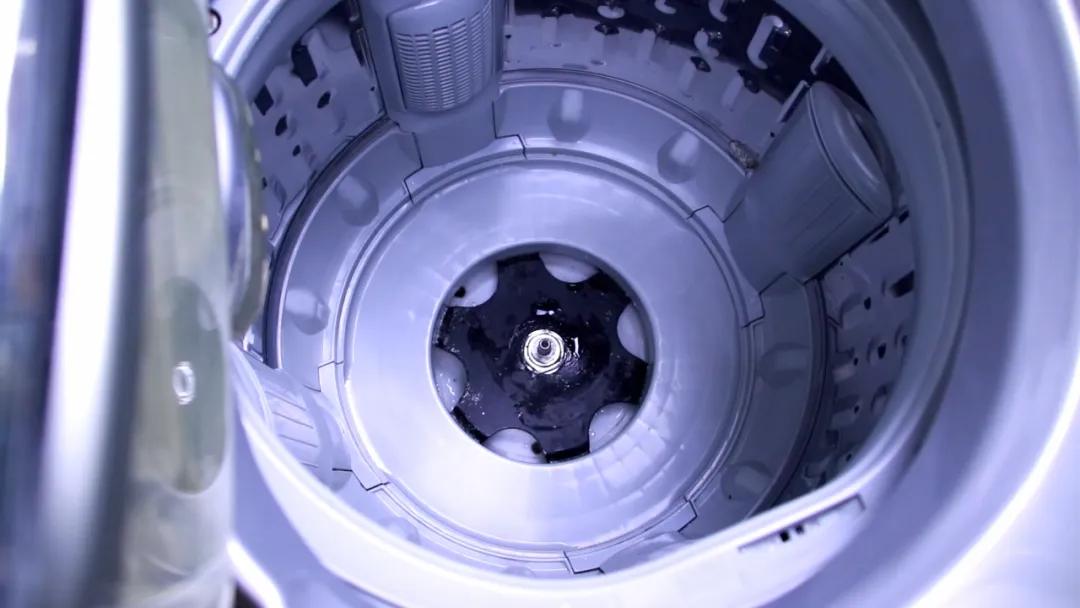
- Let the parts air-dry for about 30 minutes before reinstalling
Step 5: Reassemble the Machine
Once everything is completely dry, place the base plate back in position, tighten the screws, and replace the cover.
After proper cleaning, many people notice that odors are reduced significantly and clothes smell fresher after washing.
How Often Should You Clean Your Washing Machine?
Recommended cleaning frequency depends on how often the machine is used:
- Daily use: once a month
- Less frequent use: every two months
If you live in an area with hard water, more frequent cleaning may be helpful because mineral deposits can accumulate quickly.
Other Areas That Should Be Cleaned Regularly
Rubber Door Gasket
The folds of the rubber seal can trap moisture, mold, and residue. Wipe them dry after each wash.
Lint Filter
Clean not only the collected lint but also the filter compartment, where slime can build up.
Detergent and Softener Drawer
Over time, detergent residue may harden and create odors, reducing washing efficiency.
A Clean Washing Machine Helps Keep Clothes Truly Clean
Many people spend heavily on premium detergents, fabric softeners, and advanced washing machines, but overlook one important fact: if the washing machine itself is dirty, clothes may not be cleaned effectively.
A quick monthly cleaning can help:
- Reduce musty odors in clothing
- Lower the risk of skin irritation
- Extend the life of the appliance
- Improve overall washing performance
Sometimes, the reason clothes seem less clean after washing is hidden inside the machine itself.