Chapter 1: Why the Veins on Your Hands Become More Visible
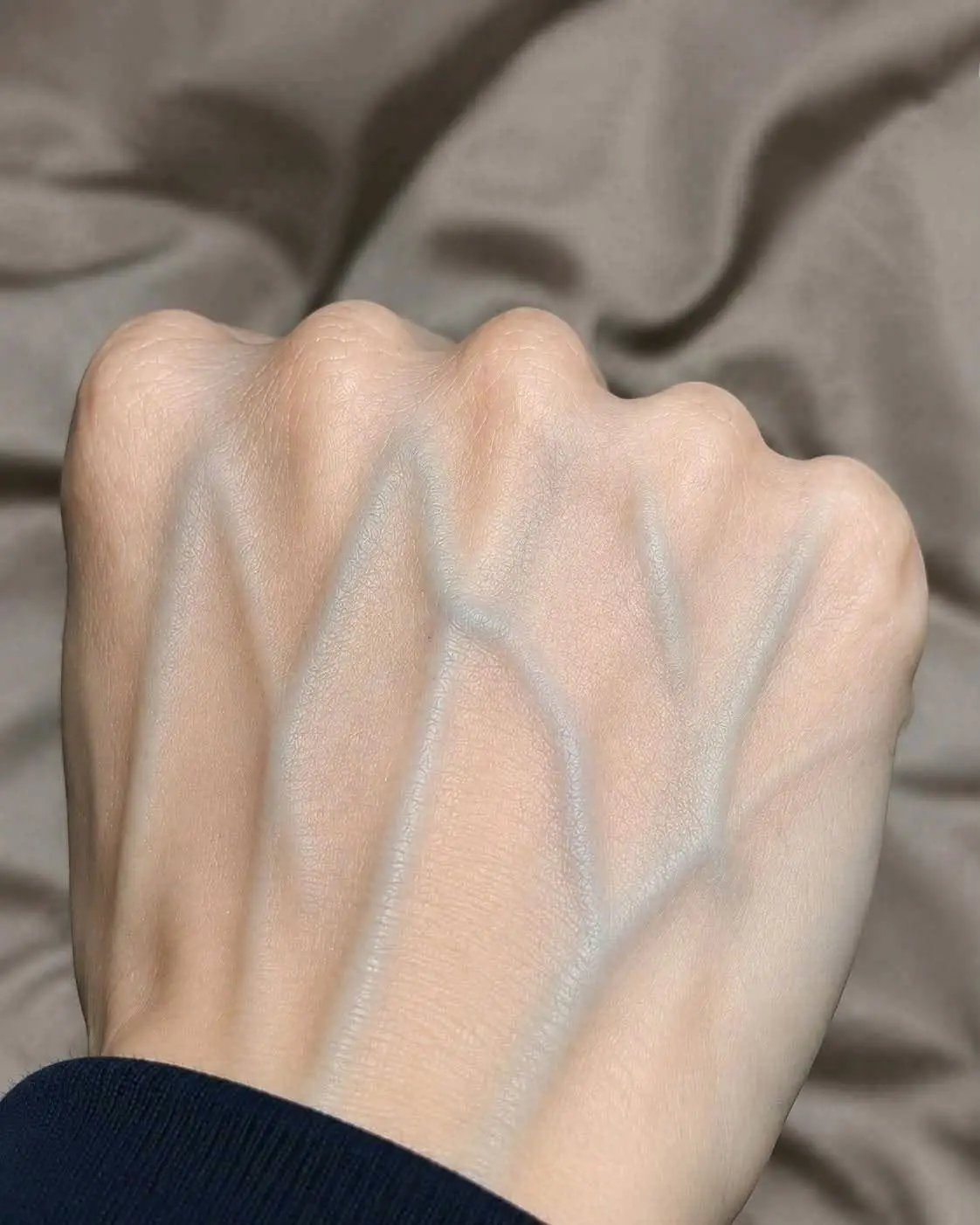
Have you ever looked at the back of your hand and noticed blue or green veins running beneath the skin? Perhaps they have become more noticeable over the years, or you have seen them stand out after exercise or during hot weather.
For many people, this appearance is completely normal.
The veins on the back of the hands are called superficial veins. They lie relatively close to the skin's surface, which means they can often be seen without any medical equipment.
Their visibility depends on several factors, including skin thickness, the amount of fatty tissue beneath the skin, genetics, temperature, and blood flow.
One of the most common reasons veins become more noticeable is aging.
As people grow older, the skin gradually loses some of its collagen and elasticity. The layer of fatty tissue beneath the skin may also become thinner. These changes reduce the natural cushioning between the veins and the skin's surface.
As a result, veins that were barely noticeable earlier in life may become more prominent.
This process is especially common on the hands because the skin in this area is naturally relatively thin and contains less protective fatty tissue than many other parts of the body.
A person may notice that the veins on their hands look larger, darker, or more raised than they did several years ago. In many cases, this is simply a normal change associated with aging rather than a sign of illness.
Genetics also play an important role.
Some people naturally have more visible veins because of their skin type, body composition, or the way their superficial veins are positioned.
If your parents or other family members have prominent hand veins, you may notice a similar appearance.
Body composition can also influence how visible the veins become.
People with relatively little fat beneath the skin may have more noticeable veins on their hands and arms. This can occur naturally or after a person loses weight.
However, prominent veins do not automatically mean someone is underweight or unhealthy. Many people with different body types have visible veins.
The important distinction is whether the appearance has been present for a long time or whether it has changed suddenly.
Long-standing, painless veins that look similar on both hands are generally less concerning than a new, swollen, painful vein that appears on only one side.
It is also important to understand that visible veins are not a reliable way to determine whether someone has high blood pressure, high cholesterol, or poor circulation.
These conditions require appropriate medical assessment. A person's hand veins cannot provide a dependable diagnosis.
The appearance shown in the photograph is therefore not, by itself, evidence of a dangerous medical condition.
For most people, visible veins are simply part of their natural anatomy.
Chapter 2: Five Everyday Reasons Your Hand Veins May Stand Out
1. Hot weather and warm environments
Have you noticed that your hand veins appear more prominent during summer?
This happens because the body changes blood flow to help regulate its temperature.
When the body becomes warm, blood vessels near the skin can widen. This process is known as vasodilation.
More blood flows through superficial vessels, making them appear fuller and easier to see.
The same effect may occur after a hot shower, while spending time outdoors, or in a warm room.
Once the body cools down, the veins may become less noticeable again.
This temporary change is usually a normal response to temperature.
2. Physical activity
Exercise can also make veins appear more prominent.
During physical activity, the body increases blood flow to working muscles. The veins may temporarily become fuller as circulation changes.
People who lift weights or perform regular strength training may notice particularly visible veins in their hands and forearms.
In addition, increased muscle size can make superficial veins more noticeable because there is less distance between the veins and the skin.
This appearance is sometimes called vascularity.
It is common among physically active people and does not automatically indicate a circulation problem.
3. Naturally thin skin
Some people have thinner skin than others.
When the skin is thin, the underlying veins may be easier to see.
Skin thickness can be influenced by genetics, age, sun exposure, and other factors.
The back of the hand is particularly susceptible to visible changes because it receives frequent sun exposure and has relatively little fatty tissue beneath the skin.
4. Weight loss
After losing weight, some people notice that their hands look different.
The reduction in fatty tissue beneath the skin can make veins more visible.
This does not necessarily mean the weight loss is harmful.
However, unexplained weight loss deserves medical attention, especially if it occurs without changes in diet or physical activity.
5. The position of your hands
The position of your hands can influence how full the veins appear.