Chapter 1: A Routine Flight That Turned Into a National Tragedy
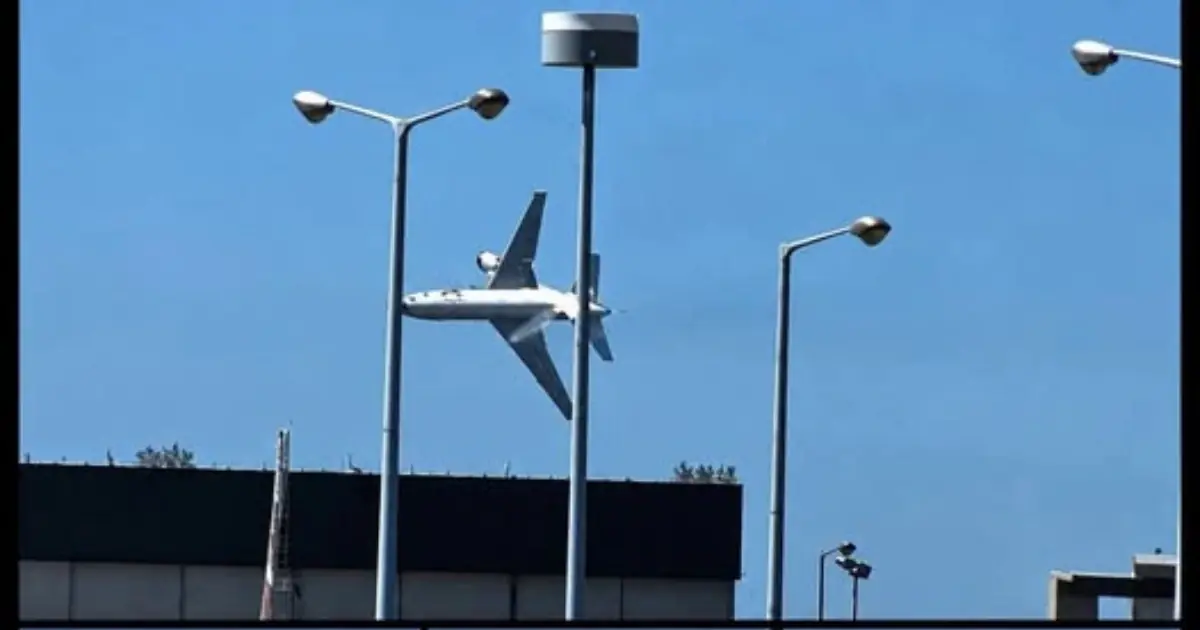
On the afternoon of May 25, 1979, Chicago's O'Hare International Airport was busy with travelers preparing for the Memorial Day weekend. Among the aircraft scheduled to depart was American Airlines Flight 191, a McDonnell Douglas DC-10-10 bound for Los Angeles.
The aircraft carried 258 passengers and 13 crew members. For those on board, the journey was expected to be an ordinary cross-country flight. Families were traveling to visit relatives, business passengers were heading west, and others were beginning their holiday.
The DC-10 was a large, three-engine passenger aircraft commonly used for long-distance routes. Its distinctive design placed two engines beneath the wings and a third engine at the base of the vertical tail.
Flight 191 was scheduled to depart from Runway 32R. The weather was clear, visibility was excellent, and there was no obvious indication that the aircraft was about to experience a catastrophic emergency.
At approximately 3:02 p.m., the plane began its takeoff roll.
The aircraft accelerated along the runway, building speed as the pilots prepared to lift off. Everything initially appeared normal from the airport's perspective.
But during the takeoff rotation, the aircraft suffered a devastating mechanical failure.
The left engine and its supporting pylon separated from the wing. The engine assembly traveled over the wing before falling back toward the runway. A section of the wing's leading edge was also torn away.
The pilots continued the takeoff, apparently believing they had experienced an engine failure. They did not realize that the entire engine and pylon assembly had detached from the aircraft.
The plane climbed briefly, reaching approximately 325 feet above the ground. Then it began rolling sharply to the left.
Within seconds, the aircraft lost control and descended toward the ground.
At approximately 3:04 p.m., Flight 191 crashed into an open field near Des Plaines, Illinois, northwest of O'Hare. The aircraft was destroyed by the impact and a massive fire.
All 271 people aboard were killed.
Two people on the ground also lost their lives, bringing the total death toll to 273. Two additional people on the ground were injured.
The disaster became the deadliest aviation accident in United States history involving a commercial passenger aircraft, excluding the September 11 terrorist attacks.
The tragedy was especially shocking because the aircraft had been airborne for only a short time. Passengers had barely begun their journey when the flight ended in catastrophe.
For witnesses at O'Hare, the sight of a large passenger jet rolling away from the runway was unforgettable. Some saw the aircraft lose its engine. Others watched the sudden descent and the enormous fireball that followed.
Emergency crews rushed toward the crash site, but the intensity of the fire made rescue efforts extremely difficult.
The tragedy also left an enormous burden on families who had been expecting loved ones to arrive in Los Angeles.
For many, the first news of the disaster came through television and radio reports. The scale of the accident quickly became clear as officials confirmed that there were no survivors.
The loss of Flight 191 was not simply an aircraft accident. It was a national tragedy that exposed serious weaknesses in aircraft maintenance, safety oversight, and the way critical mechanical problems were communicated throughout the aviation industry.
The investigation that followed would reveal that the disaster had begun long before the aircraft reached the runway.
Chapter 2: The Engine That Separated During Takeoff
The most dramatic moment of Flight 191's final takeoff was the separation of its left engine and pylon.
To understand why this was so dangerous, it is important to understand how an aircraft engine is attached to an airplane.
A jet engine is not simply suspended beneath a wing. It is connected through a carefully engineered support structure known as a pylon. This structure transfers the engine's weight and the forces produced during flight into the aircraft's wing.
The pylon must withstand enormous loads during takeoff, turbulence, landing, and engine operation.
On Flight 191, the engine and pylon separated together because the supporting structure had been damaged.
The National Transportation Safety Board later determined that the damage occurred during maintenance work performed before the flight.
The aircraft had undergone an engine change at American Airlines' maintenance facility in Tulsa, Oklahoma. During the work, mechanics used a procedure that removed the engine and pylon together rather than separating the engine from the pylon first.
The procedure involved supporting the assembly with a forklift.
Investigators concluded that this method placed damaging loads on the pylon attachment structure. The damage was not adequately detected before the aircraft returned to service.
The failure became catastrophic during takeoff, when the aircraft was experiencing particularly high aerodynamic and structural loads.
As the engine assembly detached, it also damaged important systems in the left wing.
Hydraulic lines were severed, and the left wing's outboard leading-edge slats retracted unexpectedly.
Leading-edge slats are movable surfaces on the front of a wing. They help the wing generate lift at lower speeds, particularly during takeoff and landing.
When the slats are extended, they change the shape of the wing and help delay the onset of a stall.
The left wing of Flight 191 suddenly lost this important lift-enhancing configuration.
The right wing, however, retained its slats.
This created a dangerous difference between the two wings. The left wing could no longer generate the same amount of lift as the right wing at the aircraft's takeoff speed.
The aircraft therefore entered an asymmetric aerodynamic condition.
The pilots were faced with an emergency that was far more complicated than a conventional engine failure.
They had lost an engine, but they had also lost part of the wing's ability to generate lift. The aircraft's warning systems had been damaged as well.
The loss of electrical power from the separated engine affected several instruments and warning systems, including components associated with stall warning and slat disagreement indications.