
The Wrong Way to Defrost Meat Could Encourage Bacterial Growth
Improper Meat Defrosting May Lead to Hidden Health Dangers
Tips 16/05/2026 00:35
Cabbage is one of the most versatile and affordable vegetables found in kitchens around the world. It can be eaten raw in salads, stir-fried, fermented, boiled in soups, or used in countless traditional dishes. But anyone who has bought cabbage before knows that not all heads of cabbage taste the same.
Some are wonderfully crisp, sweet, and juicy, while others can be tough, bitter, dry, or lacking flavor. Surprisingly, choosing the best cabbage is not just about grabbing the biggest one on the shelf.
Experienced cooks and market vendors often rely on several simple tricks to identify the freshest, sweetest, and crunchiest cabbage before buying it.
Here’s what to look for the next time you shop for cabbage.

Fresh cabbage usually has:
Older or poor-quality cabbage may become:
Because cabbage is often used in raw dishes such as coleslaw or salads, freshness can make a major difference in taste and texture.
One of the easiest tricks is simply lifting the cabbage.
A good cabbage should feel:
This usually indicates the leaves are tightly packed and full of moisture.

Lightweight cabbage may suggest:
Heavier cabbage is often juicier and crisper.
Fresh cabbage should have compact leaves that feel tightly wrapped together.
Signs of freshness include:
Avoid cabbage with:
Loose leaves can indicate the cabbage is aging or drying out.
Color provides important clues about freshness.

Healthy green cabbage should appear:
Red or purple cabbage should look rich and vivid.
Avoid cabbage with:
These signs may indicate aging or improper storage.
The stem at the bottom reveals a lot about freshness.
A fresh stem usually appears:
Avoid cabbage with stems that are:
A dried-out stem often means the cabbage has been stored too long.
Many people assume bigger cabbage means better value, but smaller or medium-sized heads are often:

Very large cabbage can sometimes develop:
For salads and slaws, medium-sized cabbage is often preferred.
Fresh cabbage should smell:
Strong sour or unpleasant odors may indicate:
Always trust noticeable off-smells when selecting produce.
Outer leaves naturally protect the cabbage.
Fresh outer leaves should look:

A few removed outer leaves are normal in stores, but excessive peeling may mean sellers removed damaged layers.
Different cabbage varieties offer different flavors and textures.
Freshness principles remain similar across all varieties.
Some shoppers prefer organic cabbage to reduce pesticide exposure.
Regardless of farming method, freshness remains more important for flavor and texture.
Washing cabbage thoroughly before eating is always recommended.
Proper storage helps cabbage stay fresh longer.
Whole cabbage can sometimes last surprisingly long when refrigerated properly.
Avoid cabbage showing:
Spoiled cabbage may develop unpleasant flavor and texture.
Fresh cabbage contains natural sugars and moisture that contribute to:
As cabbage ages:
This is why freshness matters so much.
Fresh cabbage works well in:
Cooking method affects sweetness and texture.
Light cooking often helps cabbage become naturally sweeter.
Choosing the best cabbage is easier once you know what signs to look for. A fresh cabbage should feel heavy, firm, crisp, brightly colored, and free from unpleasant odors or soft spots. Sometimes the sweetest and crunchiest cabbage is not the biggest one — but the freshest and most compact.
Small shopping habits can make a surprisingly big difference in flavor, texture, and overall cooking results.
The next time you stand in front of a pile of cabbages at the market, a few simple observations may help you bring home a much better one.
Improper Meat Defrosting May Lead to Hidden Health Dangers

These 3 Attractive Plants Are Said to Help Deter Snakes Naturally

Old Toothbrushes: Don’t Throw Them Away—Tie Two Together and Solve Countless Household Problems

6 Surprising Things Your Phone’s Volume Buttons Can Do Besides Adjusting Volume

Say goodbye to flies, mosquitoes and cockroaches boiling these leaves

The first ring you notice could secretly reveal your strongest personality trait.
Looking for a natural mosquito repellent? Try this easy lemon-based hack at home.

No-Disassembly Fan Cleaning Trick for a Cleaner, Fresher Fan

5 Ways to Clean and Deodorize Your Freezer

Just One Extra Ingredient Can Make Clothes Cleaner, Fresher, and Brighter
One Spoonful of Vinegar Makes a Noticeable Difference
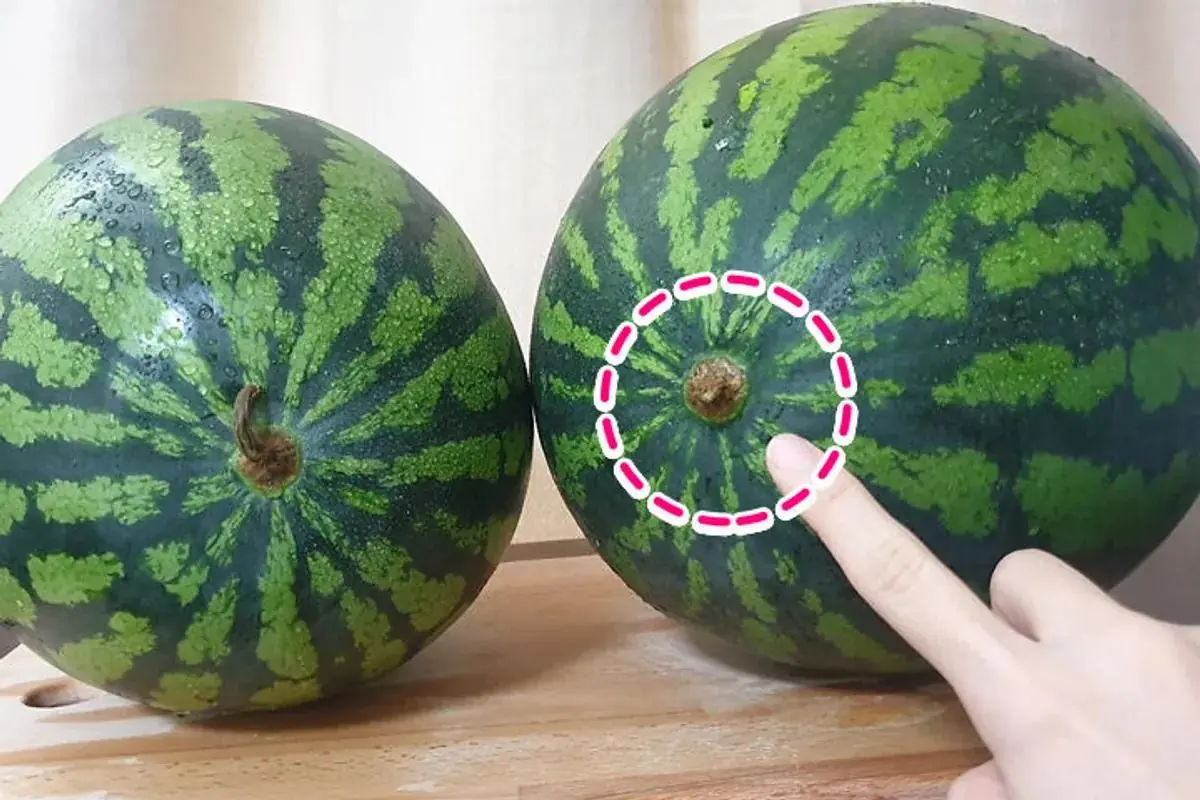
Simple Tricks to Find a Sweet Watermelon With Deep Red Flesh

Many People Use Water, Vinegar, and Salt to Naturally Cleanse Their Homes

Snakes Tend to Avoid the Smell of These 3 Plants

The real purpose of the “E” on your gear shift may surprise many drivers

Doctors reveal why showering at night may affect your body differently

5 types of fish that are very cheap but full of to.xins 😰

The Surprising Truth Few People Know
Improper Meat Defrosting May Lead to Hidden Health Dangers

Doctors Say Many Women Overlook This Quiet Warning Sign of a Heart Attack
These 3 Attractive Plants Are Said to Help Deter Snakes Naturally

Doctors warn common fridge habits may quietly damage liver health.

Doctors Say These 7 Symptoms After Waking Up Could Point to Diabetes

Neck Lymph Nodes Swo.llen? These Signs May Mean It’s Time to See a Doctor

A Sour Vaginal Odor Isn’t Always Normal — Here’s What Could Be Causing It

11 Hidden Clues That Could Point to Kidney Problems

A woman is warning others after overlooking 5 subtle symptoms that turned out to be stage 4 colon cancer 👇
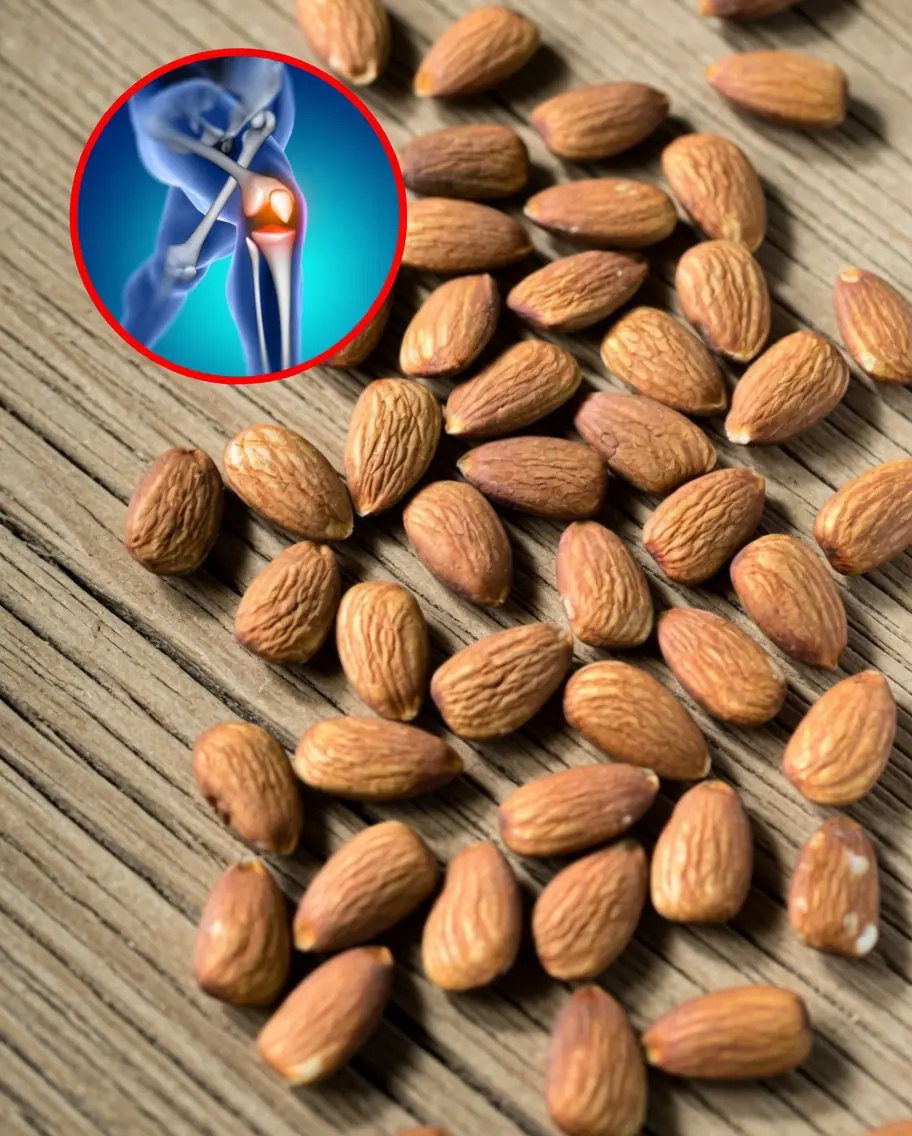
Here’s what can happen to your body when almonds become part of your daily routine

A daily cucumber habit may do more for your body than you think

One healthy breakfast choice. Five major benefits for your body. Here’s what boiled eggs can do

Doctors Urge People Not to Ignore Persistent Scalp Symptoms Mistaken for Dandruff

Silverfish in the House? Here’s Why You Shouldn’t Ignore Them

Don’t Ignore Pain Under Your Left Rib Cage: Possible Reasons Explained

If You Frequently Notice These 15 Foot Symptoms, Diabetes Could Be the Cause
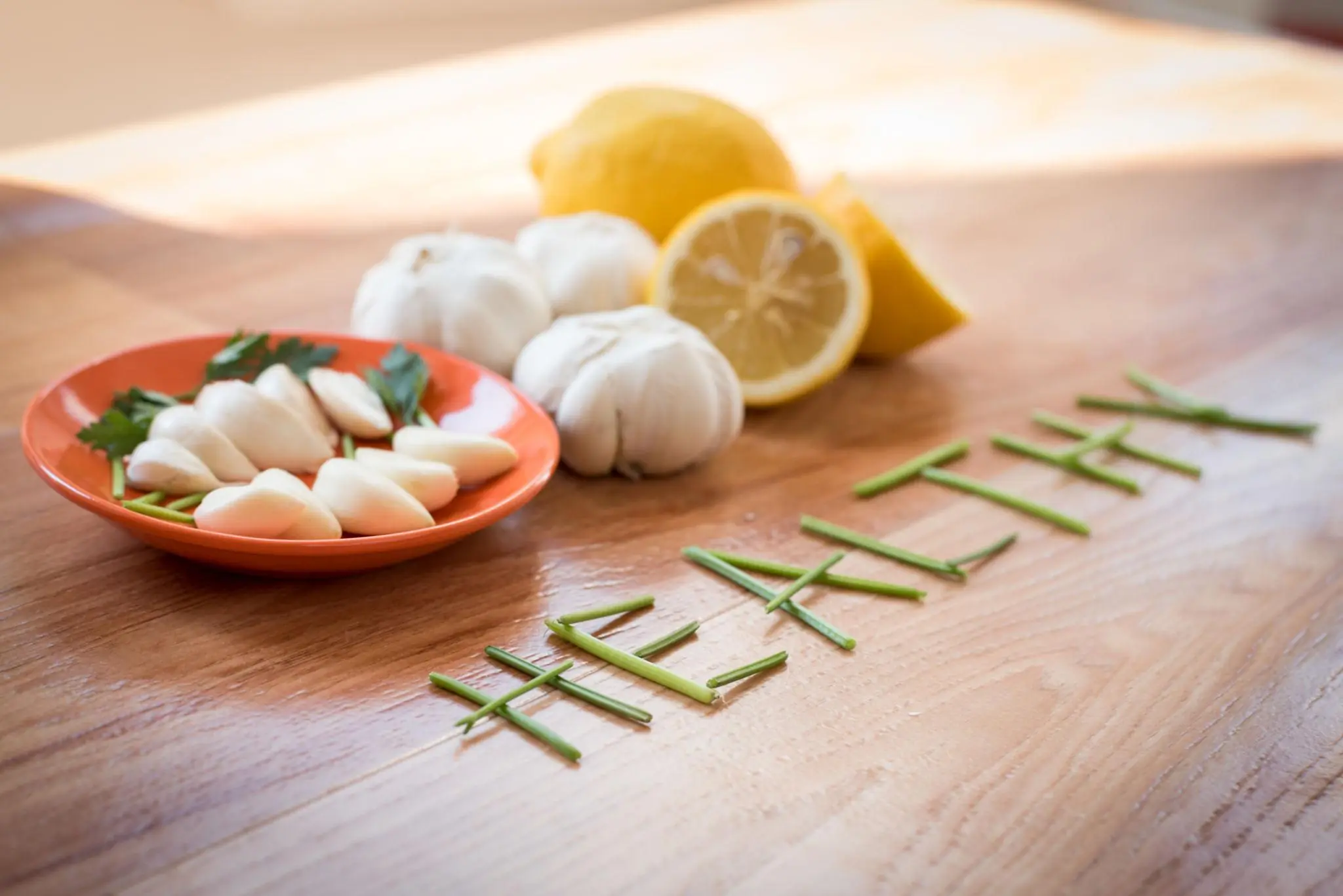
Garlic at Night: Unexpected Benefits and Effects You Should Know
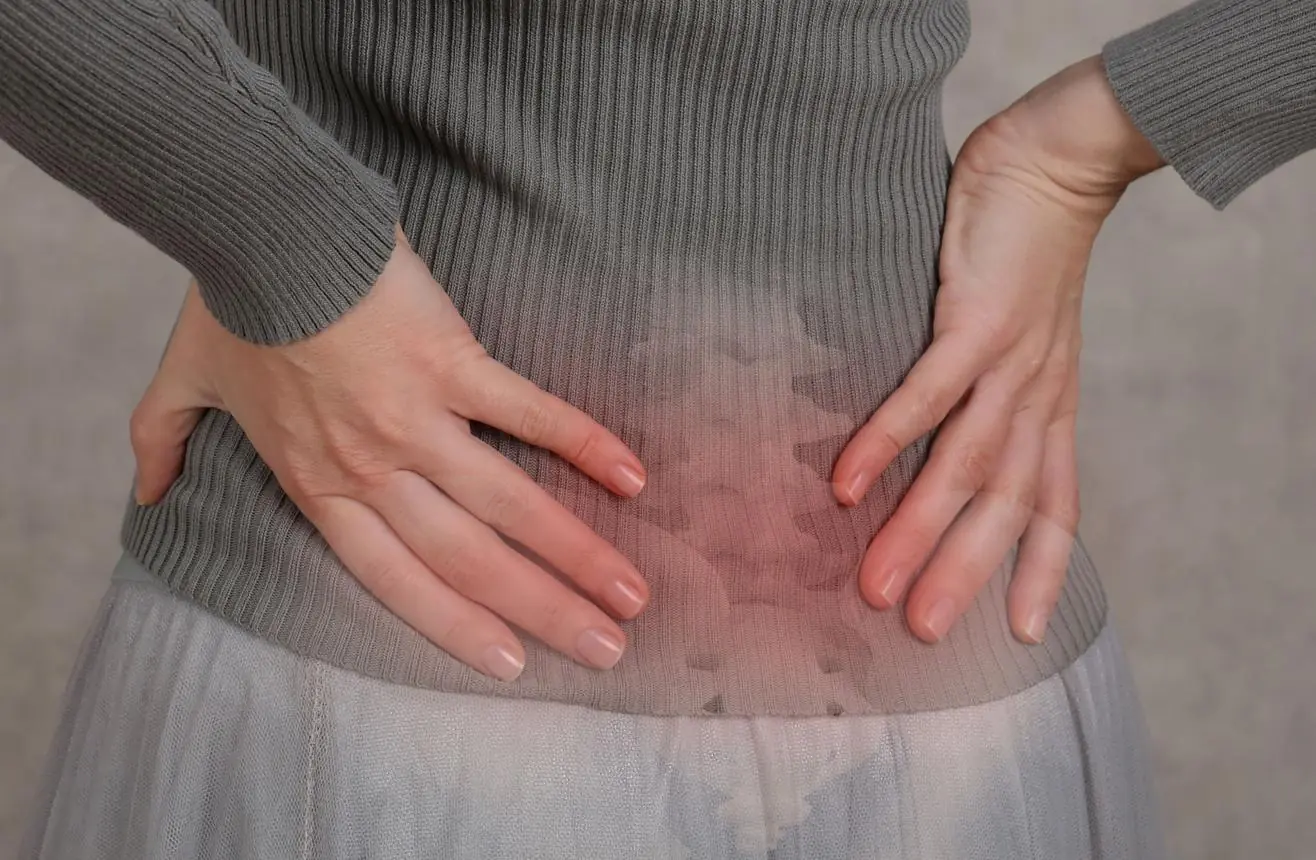
Hidden vitamin D deficiency signs may quietly harm your health daily.
Old Toothbrushes: Don’t Throw Them Away—Tie Two Together and Solve Countless Household Problems