Shrimp is one of the most popular seafood choices around the world. It is delicious, versatile, rich in protein, and used in countless dishes ranging from soups and salads to grilled seafood platters and stir-fries. However, many people notice a dark line running along the back of shrimp and often wonder whether it is dangerous, dirty, or necessary to remove before cooking.
This dark line is commonly referred to as the “black vein,” but it is not actually a vein. Understanding what it really is and whether removing it matters can help people prepare shrimp more confidently and safely.
What Is the Black Vein in Shrimp?
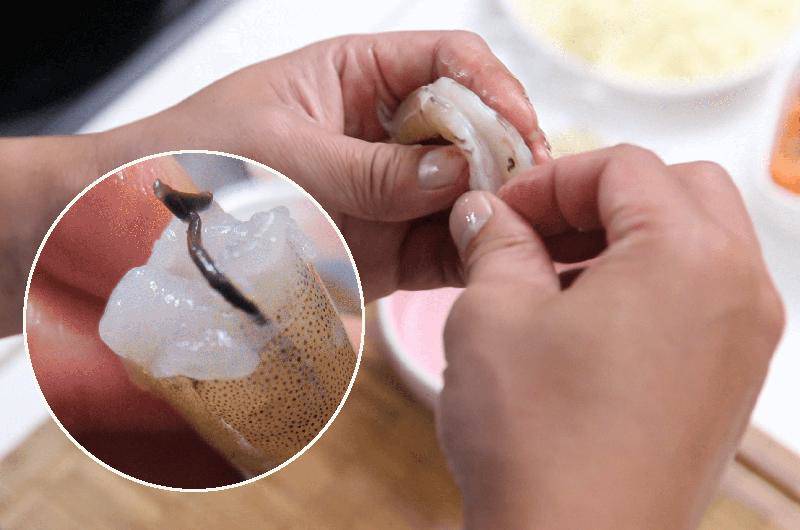
The black line running along the back of shrimp is actually the shrimp’s digestive tract.
It contains:
- Digested food
- Waste material
- Sand or grit particles

Depending on what the shrimp has eaten, the tract may appear:
- Black
- Brown
- Gray
- Dark green
In some shrimp, the tract is very thin and barely visible. In others, especially larger shrimp, it may look thick and dark.
Is the Black Vein Harmful?
In most cases, the black vein is not dangerous if the shrimp is properly cooked.
Cooking shrimp thoroughly helps reduce the risk of harmful bacteria or parasites.
Many people around the world eat shrimp with the digestive tract intact without any health problems.
However, the tract may sometimes contain:
- Sand
- Grit
- Muddy residue
which can affect texture or flavor.

For this reason, many cooks prefer removing it for culinary rather than safety reasons.
Why Many People Remove It
Removing the black vein is often called “deveining” shrimp.
People remove it because:
- It improves appearance
- It may reduce gritty texture
- It creates cleaner flavor
- It looks more appealing in dishes
In fine dining or restaurant cooking, shrimp are commonly deveined for presentation purposes.
Is Deveining Always Necessary?
Not always.
Smaller shrimp often have extremely tiny digestive tracts that are barely noticeable.
In these cases, many people cook shrimp without removing the tract.
However, larger shrimp tend to have more visible digestive material, so deveining is more common.
Ultimately, removing it is mostly a personal preference unless the tract contains noticeable grit.
How to Remove the Black Vein
Deveining shrimp is relatively simple.
Basic Steps
- Peel the shrimp if desired
- Use a small knife to make a shallow cut along the back
- Lift out the dark tract
- Rinse lightly under cold water
Some shrimp are sold:
- Peeled and deveined
- Shell-on but deveined
- Completely uncleaned
Checking packaging labels can save preparation time.
What About the Vein on the Underside?
Shrimp also have a lighter line along the underside.
This is typically a nerve cord, not the digestive tract.
It is usually harmless and rarely removed.
Does Removing the Vein Change Taste?
Some people notice a cleaner, sweeter flavor after deveining shrimp, especially in larger shrimp.
Others report little difference.
Possible flavor effects include:
- Less bitterness
- Less muddy taste
- Better texture
Taste differences are usually more noticeable when the digestive tract is large or filled with grit.
Food Safety Tips for Shrimp
Whether deveined or not, safe shrimp handling is very important.
Keep Shrimp Cold
Shrimp spoils quickly and should remain refrigerated until cooking.
Avoid Cross-Contamination
Use separate utensils and cutting boards for raw seafood.
Cook Thoroughly
Shrimp should be cooked until:
- Pink
- Opaque
- Firm
Undercooked seafood may increase the risk of foodborne illness.
Signs Shrimp May No Longer Be Fresh
Fresh shrimp should smell mild and slightly salty.
Warning signs include:
- Strong fishy odor
- Slimy texture
- Gray discoloration
- Ammonia smell
Spoiled shrimp should never be eaten.
Nutritional Benefits of Shrimp
Shrimp is a nutritious seafood choice rich in:
- Protein
- Selenium
- Vitamin B12
- Iodine
- Omega-3 fatty acids
It is relatively low in calories and commonly included in balanced diets.
However, preparation methods matter.
Deep-fried shrimp or heavily processed seafood dishes may contain:
- Excess sodium
- Unhealthy fats
- Added calories
Can You Eat Shrimp Every Day?
Moderation is generally recommended with all seafood.
Some individuals should be cautious, including:
- People with shellfish allergies
- Those limiting sodium intake
- Individuals concerned about cholesterol
Most healthy adults can enjoy shrimp as part of a balanced diet.
Final Thoughts
The black vein in shrimp is actually the digestive tract, not a vein. While it may contain waste material or grit, it is usually not harmful when shrimp is properly cooked. Many people remove it to improve appearance, flavor, and texture, especially in larger shrimp.
Whether you choose to devein shrimp or not often comes down to personal preference and cooking style. The most important factors are proper cleaning, safe storage, and thorough cooking.
Understanding what the black line really is can make shrimp preparation less mysterious and help you cook seafood more confidently in your own kitchen.