Don’t Ignore These 11 Possible Warning Signs of Kidney Trouble 😱
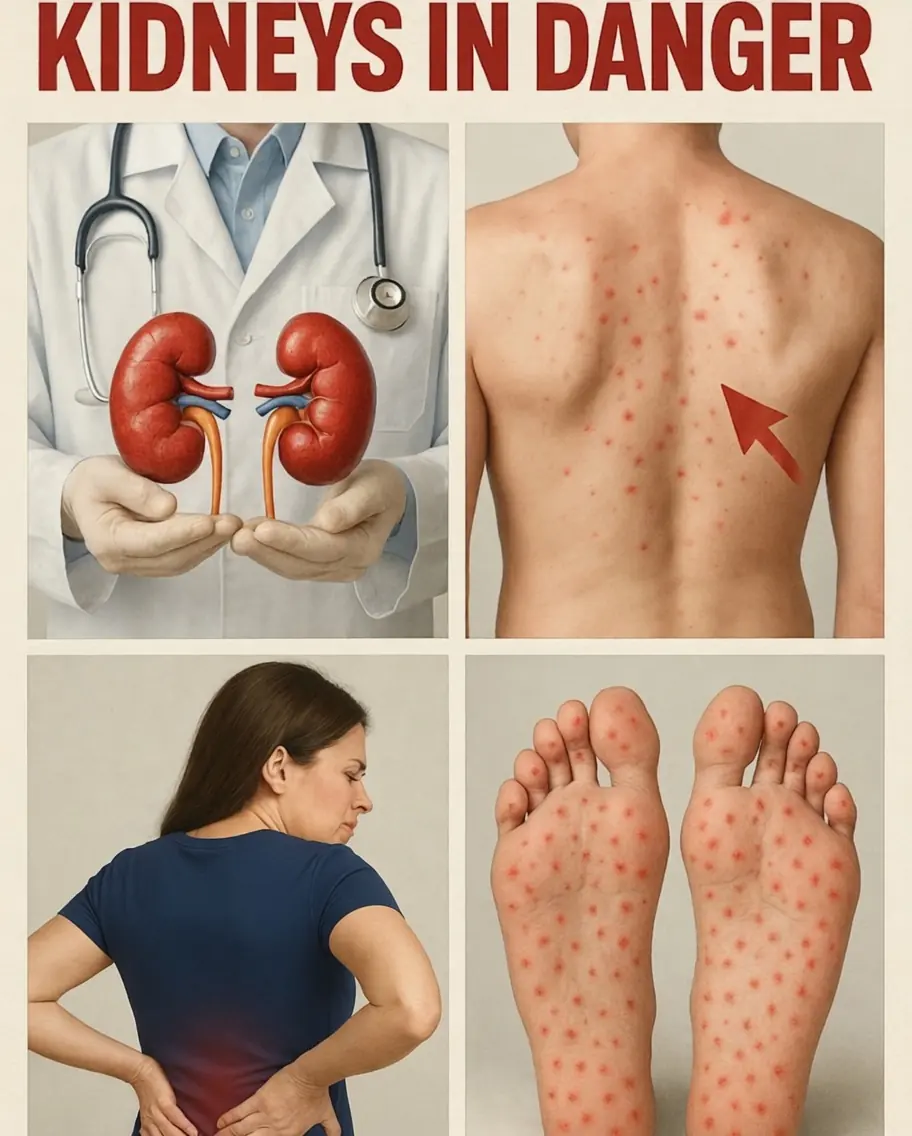
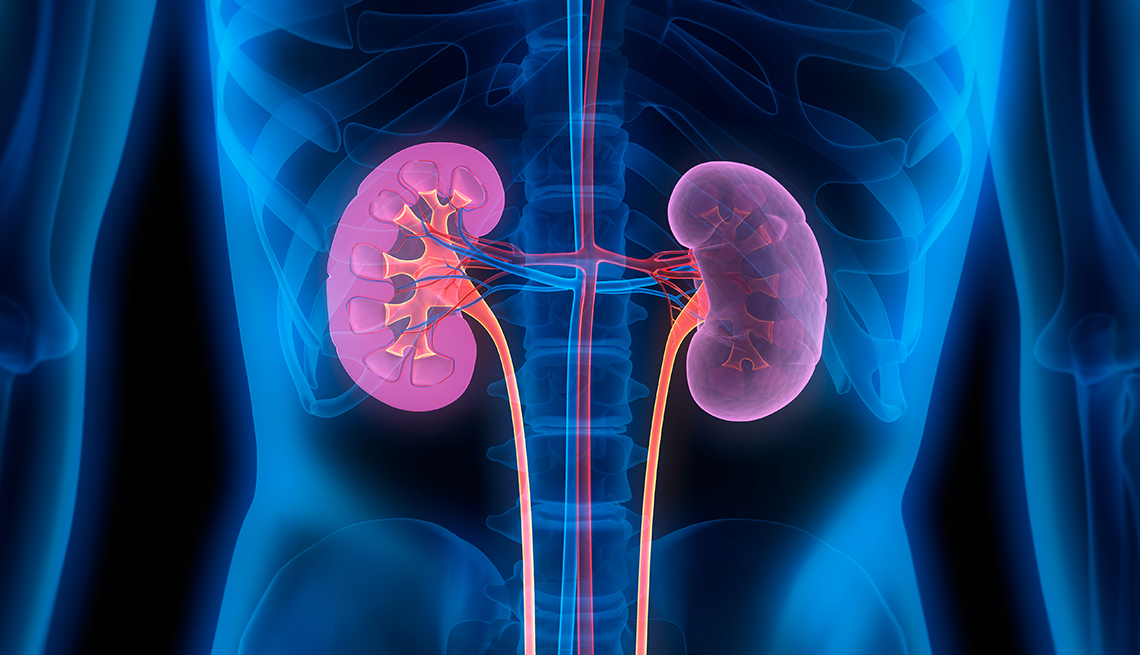
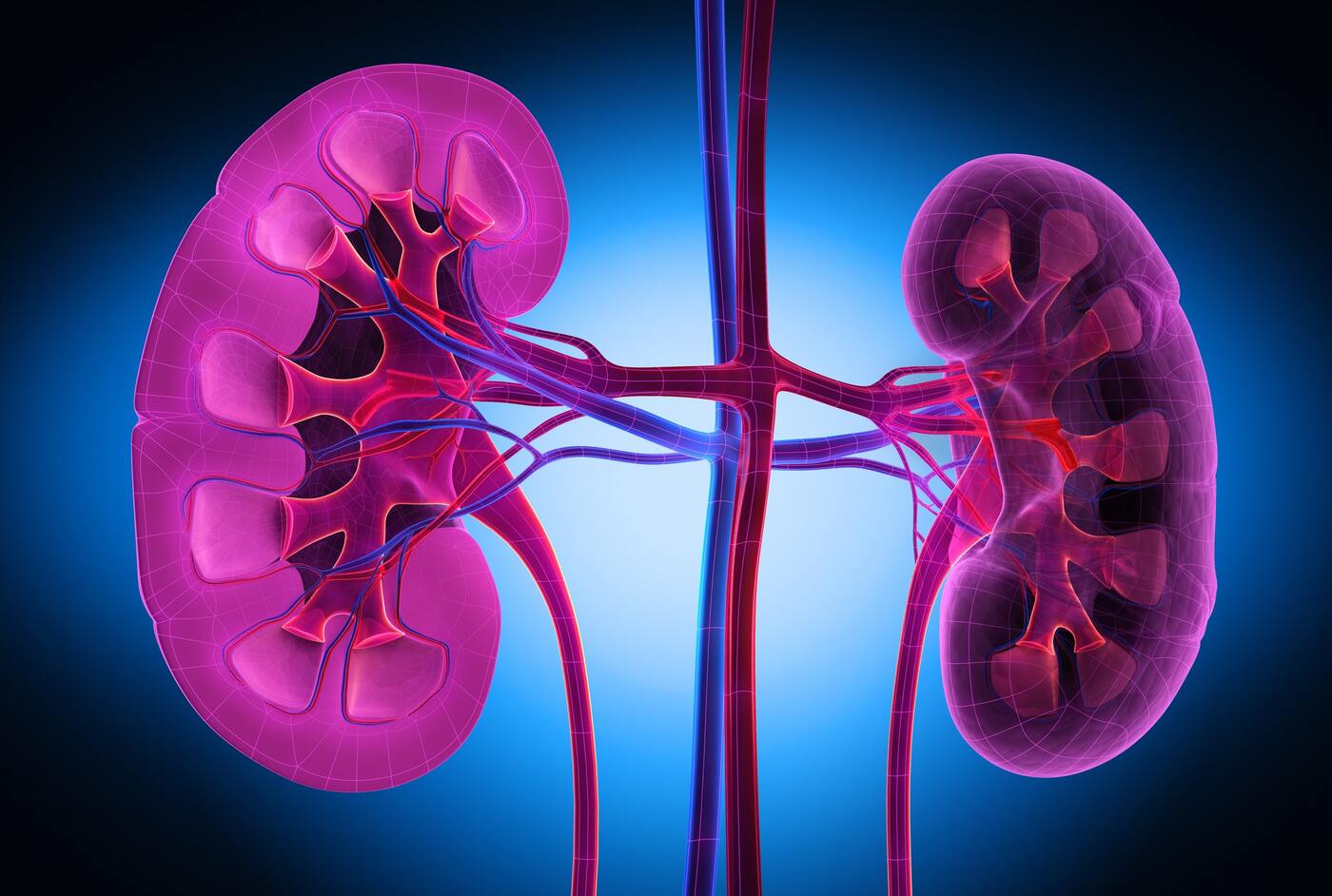
Your kidneys play a vital role in keeping your body healthy. They help filter waste, balance fluids, regulate blood pressure, and support many other important functions. But when the kidneys begin to struggle, the warning signs can sometimes be subtle and easy to overlook.
Recognizing symptoms early may help people seek medical attention before more serious complications develop. Here are 11 possible warning signs of kidney trouble you should not ignore.
1. Frequent Urination — Especially at Night
One of the earliest signs of kidney problems can be changes in urination patterns. Some people may notice they need to urinate more often, especially during the night.
In other cases, urine output may decrease significantly.
2. Foamy or Bubbly Urine
Excessive foam in the urine may sometimes indicate the presence of protein, which can happen when the kidneys’ filtering system is damaged.
Occasional bubbles are usually harmless, but persistent foamy urine may deserve medical attention.
3. Swelling in the Feet, Ankles, or Hands
When the kidneys are not removing excess fluid properly, swelling can develop in different parts of the body, especially the legs, ankles, feet, hands, or face.
This fluid retention may become more noticeable over time.
4. Constant Fatigue or Weakness
Damaged kidneys may lead to a buildup of toxins in the blood, which can leave people feeling tired, weak, or unable to concentrate.
Kidney disease may also contribute to anemia, which can worsen fatigue.
5. Persistent Puffiness Around the Eyes
Puffy eyes — especially in the morning — may sometimes be linked to protein leaking into the urine, which can happen in certain kidney conditions.
6. Dry or Itchy Skin
Healthy kidneys help maintain the balance of minerals and nutrients in the body. When kidney function declines, it may lead to dry, irritated, or itchy skin.
7. Blood in the Urine
Seeing pink, red, or dark-colored urine should never be ignored. Blood in the urine may be related to kidney infections, stones, urinary tract issues, or kidney disease.
Medical evaluation is important if this occurs.
8. Muscle Cramps
Frequent muscle cramps may sometimes be connected to electrolyte imbalances caused by poor kidney function.
Low calcium or abnormal phosphorus levels may also contribute.
9. Loss of Appetite or Nausea
As waste products build up in the body, some people may experience nausea, vomiting, bad breath, or a reduced appetite.
These symptoms can gradually worsen if kidney function declines.
10. Shortness of Breath
Fluid buildup caused by kidney problems may sometimes affect the lungs, making breathing feel more difficult.
Anemia related to kidney disease may also contribute to shortness of breath.
11. High Blood Pressure
The kidneys and blood pressure are closely connected. High blood pressure can damage the kidneys over time, while kidney disease can also make blood pressure harder to control.
When to See a Doctor
Many kidney diseases develop slowly and may not cause noticeable symptoms until significant damage has already occurred. If you experience several of these warning signs — especially swelling, blood in the urine, or ongoing fatigue — it’s important to speak with a healthcare professional.
Simple blood and urine tests can often help evaluate kidney function.
The Bottom Line
Your kidneys work quietly behind the scenes every day, but when something goes wrong, your body may start sending signals. Paying attention to unusual symptoms and seeking medical advice early may help protect kidney health and prevent complications in the future.