
If You Often Nap During the Day, Pay Attention to These Health Insights
What Happens to Your Body When You Frequently Nap During the Day?
Health 18/05/2026 15:27
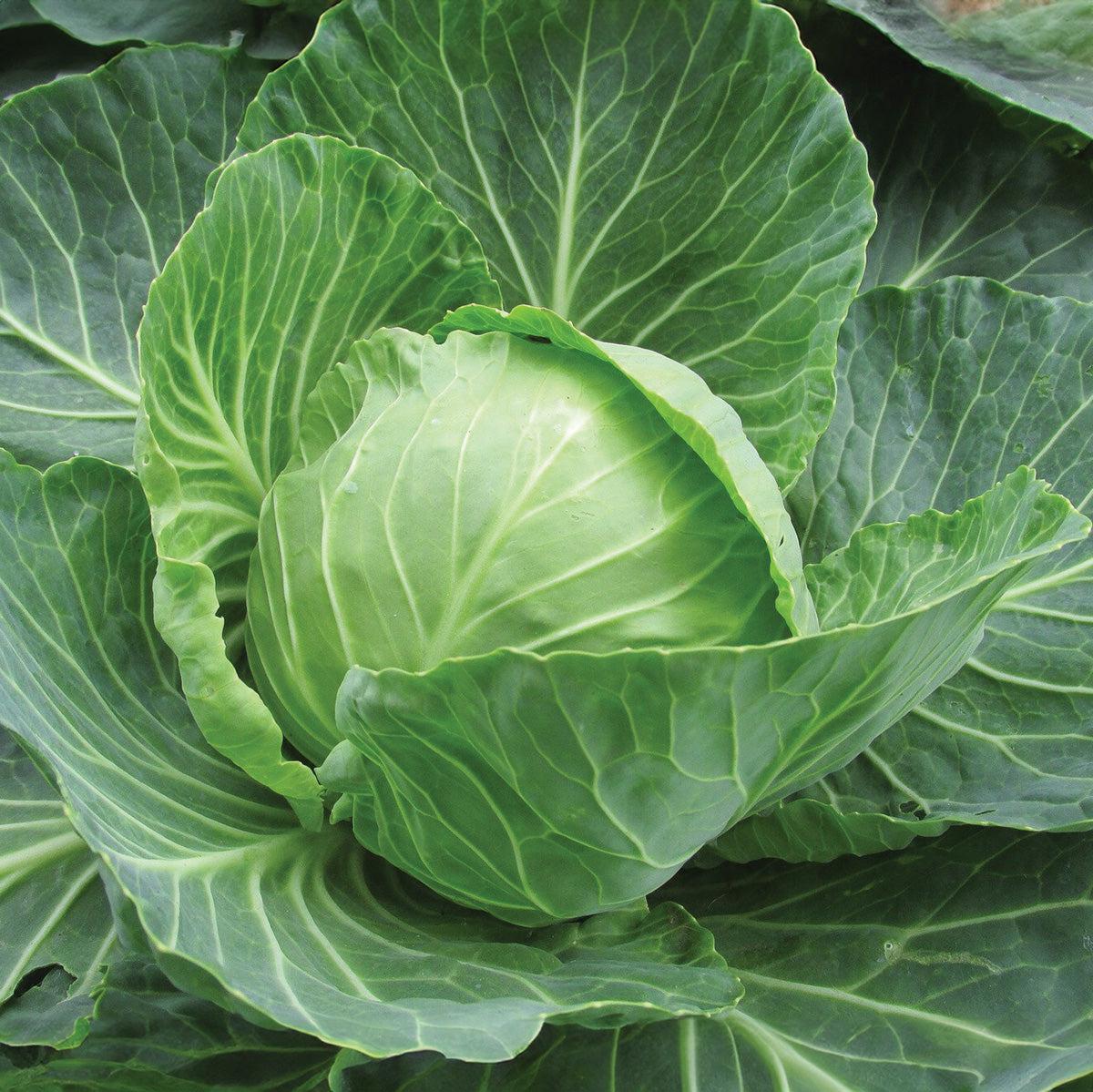
Cabbage is a popular vegetable known for being rich in vitamins, fiber, and antioxidants. Many people enjoy it in salads, soups, stir-fries, and fermented dishes like kimchi or sauerkraut. While cabbage can be part of a healthy diet, experts say that certain people may need to limit or avoid it because it could worsen some health conditions or cause uncomfortable symptoms.
Here’s who should be cautious when eating cabbage.
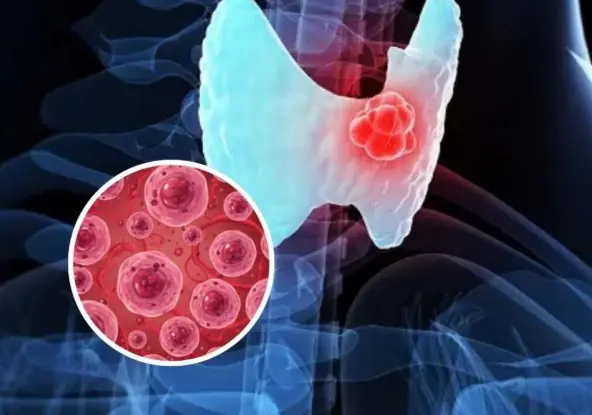
Cabbage belongs to the cruciferous vegetable family, which also includes broccoli and cauliflower. These vegetables contain compounds called goitrogens, which may interfere with thyroid function when eaten in very large amounts, especially raw.
People with hypothyroidism or iodine deficiency may want to avoid excessive consumption of raw cabbage. Cooking cabbage can help reduce these compounds.
Cabbage is high in fiber and contains natural sugars that can ferment in the digestive system. For some people, this may lead to bloating, gas, stomach discomfort, or cramps.
Those with sensitive digestion or conditions like irritable bowel syndrome (IBS) may notice symptoms becoming worse after eating large portions of cabbage.

Cabbage contains vitamin K, which plays an important role in blood clotting. While vitamin K is healthy for most people, individuals taking blood thinners such as warfarin may need to keep their vitamin K intake consistent.
Sudden increases in cabbage consumption could affect how certain medications work. It’s important to speak with a healthcare provider before making major dietary changes.
Raw cabbage can sometimes be difficult to digest for people with ulcers, acid reflux, gastritis, or other digestive problems. In some cases, it may irritate the stomach lining or increase discomfort.
Cooked cabbage is often easier on the stomach than raw cabbage.
Cabbage contains potassium, an important mineral that supports many body functions. However, people with advanced kidney disease may need to monitor potassium intake because the kidneys may struggle to remove excess potassium from the body.
A doctor or dietitian can help determine whether cabbage should be limited.

Although uncommon, some individuals may experience allergic reactions or food sensitivities related to cabbage or other cruciferous vegetables. Symptoms may include itching, swelling, digestive discomfort, or skin irritation.
Anyone who notices unusual symptoms after eating cabbage should seek medical advice.
Cabbage can be a nutritious addition to many diets thanks to its vitamins, minerals, and fiber. However, not every food works the same way for every person. People with thyroid conditions, digestive sensitivities, kidney disease, or those taking blood-thinning medication may need to be more careful about how much cabbage they eat.
Moderation and balance are key, and if you have an underlying health condition, it’s always best to consult a healthcare professional about the foods that are right for you.
What Happens to Your Body When You Frequently Nap During the Day?
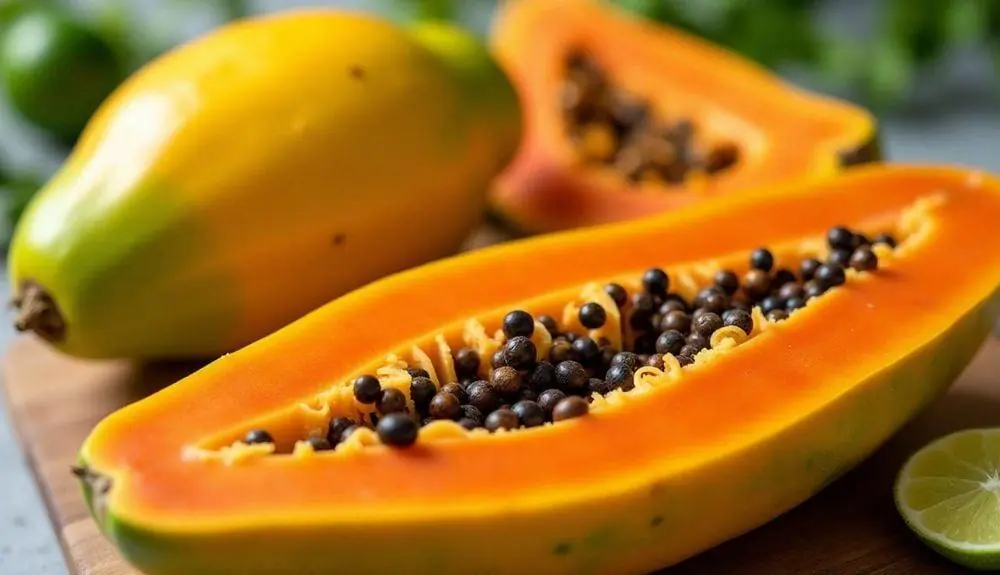
Some People Should Be Careful Before Eating Papaya
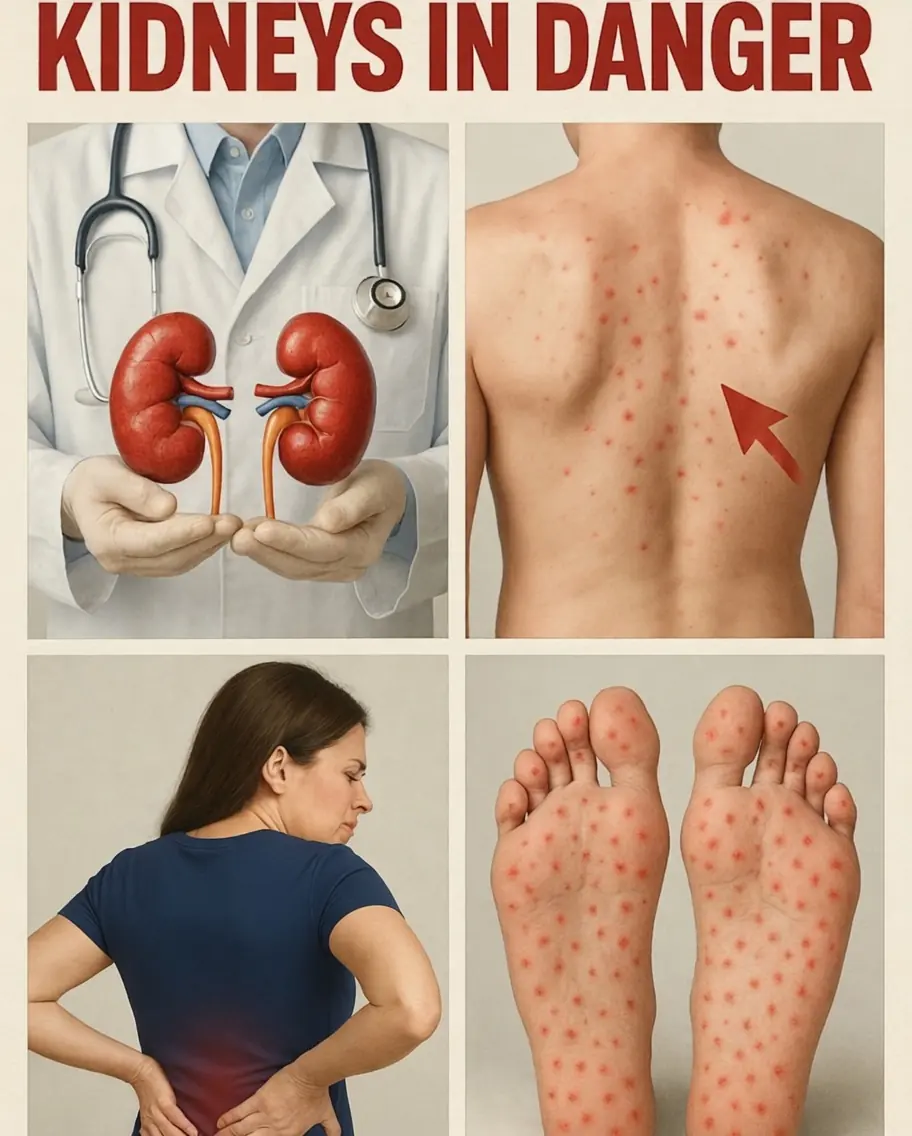
Kidney Problems Often Start Quietly — Here Are 11 Signs to Watch For

5 Popular Fruits That Doctors Say Should Not Be Overeaten for Better Can.cer Prevention

Doctors were shocked by this teen’s liver scan — the cause may be hiding in your child’s daily diet.

Why Sleeping on Your Right Side Isn’t Always the Best Choice
These Simple Lifestyle Changes May Help Lower Stroke Risk

The Truth About Guava Leaves and Their Traditional Uses

Heart Attacks in Women: Warning Signs That Shouldn’t Be Ignored

Daily lemon water: healthy habit or hidden danger?

Constant phlegm in your throat and you don't know why... See more

The Truth About the Round Scar Found on Some People’s Arms




4 Reasons Your Va.ginal Odor May Seem More Sour Than Usual

What Happens to Your Body When You Frequently Nap During the Day?
Some People Should Be Careful Before Eating Papaya
Kidney Problems Often Start Quietly — Here Are 11 Signs to Watch For
5 Popular Fruits That Doctors Say Should Not Be Overeaten for Better Can.cer Prevention

Should You Remove the Black Line Inside Shrimp Before Eating?

8 Surprising Things You Should Know Before Eating Sweet Potatoes
Doctors were shocked by this teen’s liver scan — the cause may be hiding in your child’s daily diet.
Why Sleeping on Your Right Side Isn’t Always the Best Choice
These Simple Lifestyle Changes May Help Lower Stroke Risk
The Truth About Guava Leaves and Their Traditional Uses
Heart Attacks in Women: Warning Signs That Shouldn’t Be Ignored
Daily lemon water: healthy habit or hidden danger?
Constant phlegm in your throat and you don't know why... See more
The Truth About the Round Scar Found on Some People’s Arms