Around the world, there are certain foods that are both culturally treasured and surprisingly dangerous if prepared incorrectly. One of the most famous examples is cassava — a starchy root vegetable consumed daily by hundreds of millions of people across Africa, Asia, and Latin America.
Cassava plays a vital role in global food security because it is affordable, filling, drought-resistant, and capable of growing in difficult climates where many other crops struggle. However, despite its importance, cassava also carries a hidden risk that many people outside farming communities may not realize.
When improperly processed, cassava can naturally release toxic compounds capable of causing serious poisoning and even death.
Yet despite this danger, nearly 500 million people continue relying on cassava as a major dietary staple every single day.
So why is this food still so widely consumed and what exactly makes it dangerous?
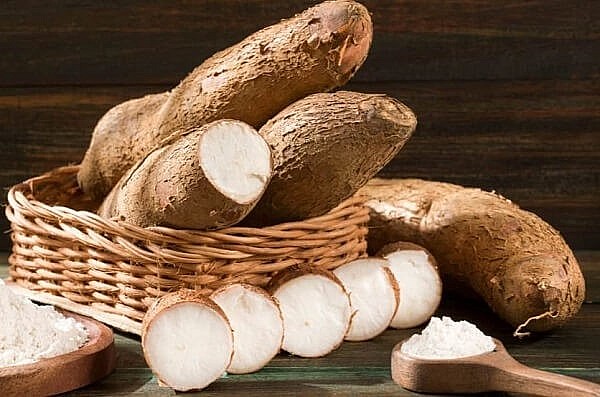
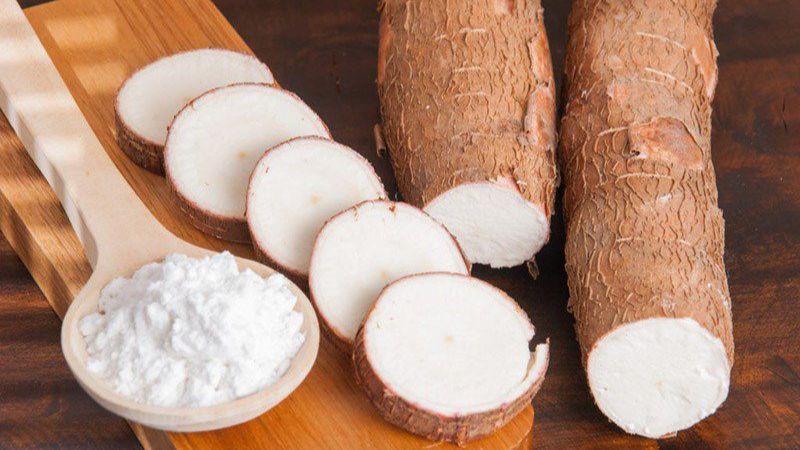
What Is Cassava?
Cassava, also called:
- Manioc
- Yuca
- Tapioca root
is a starchy root crop native to South America but now cultivated widely in tropical regions around the world.
It is commonly used to make:
- Cassava flour
- Tapioca
- Bread
- Porridge
- Chips
- Traditional dishes
Cassava became extremely important because it:
- Grows in poor soil
- Survives drought
- Produces high calories
- Feeds large populations affordably
For many communities, cassava is not simply a food — it is a survival crop.
Why Cassava Can Become Dangerous
Cassava naturally contains compounds called:
- Cyanogenic glycosides
When the plant is damaged, chewed, or improperly prepared, these compounds may release:
- Cyanide

Cyanide is toxic to the human body.
If cassava is eaten raw or insufficiently processed, poisoning can occur.
Symptoms of cassava poisoning may include:
- Nausea
- Vomiting
- Dizziness
- Weakness
- Breathing problems
Severe poisoning can become life-threatening.
Why Proper Preparation Matters
Traditional communities developed careful preparation methods over generations to reduce cassava toxicity.
These methods may include:
- Peeling
- Soaking
- Fermenting
- Drying
- Boiling
- Cooking thoroughly
These processes help remove or reduce harmful compounds before consumption.
In many cultures, cassava preparation is treated very seriously because people understand the risks involved.
Sweet Cassava vs Bitter Cassava
Not all cassava varieties contain the same toxin levels.
There are generally two major types:
- Sweet cassava
- Bitter cassava
Bitter cassava usually contains:
- Higher cyanide levels
- Greater preparation requirements
Communities familiar with cassava often know how to distinguish and prepare different varieties safely.
Why Millions Still Depend on Cassava
Despite its risks, cassava remains essential for food security in many regions.
Reasons include:
- Low cost
- Reliable growth
- Climate resilience
- High calorie production
- Ability to survive drought conditions
In some developing regions, cassava is one of the few crops capable of consistently feeding large populations during:
- Famine
- Climate stress
- Economic hardship
Without cassava, food shortages could become much worse in certain areas.
Poverty and Food Safety Challenges
Unfortunately, problems sometimes arise during:
- Food shortages
- War
- Drought
- Extreme poverty
In difficult conditions, people may shorten processing times because:
- They lack fuel
- They lack clean water
- Food is urgently needed
Improper preparation under these conditions increases poisoning risk.
This is one reason cassava poisoning still occurs in some regions today.
The Link Between Cassava and Konzo
Researchers have also studied a neurological condition called:
- Konzo
Konzo has been associated with:
- Chronic exposure to poorly processed cassava
- Severe nutritional deficiencies
Symptoms may include:
- Weakness
- Difficulty walking
- Paralysis in severe cases
Konzo primarily affects vulnerable populations facing extreme poverty and food insecurity.
Cassava Is Also an Important Economic Crop
Cassava supports millions of farmers worldwide.
It contributes to industries producing:
- Tapioca starch
- Animal feed
- Processed foods
- Gluten-free products
Modern food industries increasingly use cassava in:
- Snacks
- Thickening agents
- Gluten-free baking
Most commercial cassava products are processed safely.
Why Most People Never Notice the Risk
Many consumers outside tropical regions encounter cassava mainly as:
- Tapioca pearls
- Cassava chips
- Processed flour
Commercial food safety systems usually reduce toxicity properly before sale.
As a result, most people never realize the raw plant naturally contains toxic compounds.
The Balance Between Risk and Necessity
Cassava represents an important reality about food and survival:
many staple foods require careful preparation to become safe.
Examples include:
- Certain beans
- Some mushrooms
- Ackee fruit
- Fugu fish
Human cultures developed specialized knowledge over centuries to safely consume these foods.
Why Traditional Knowledge Matters
Traditional cassava preparation methods reflect generations of experience and survival knowledge.
These practices were not random:
they evolved because communities learned how to reduce risk through observation and repetition.
Modern science later confirmed many of these traditional safety techniques.
Climate Change May Increase Dependence on Cassava
Some experts believe cassava could become even more important in the future because it tolerates:
- Heat
- Drought
- Poor soil
As climate conditions become more challenging, crops like cassava may help support food supplies in vulnerable regions.
Final Thoughts
Cassava is one of the world’s most important staple foods, feeding nearly 500 million people despite its potentially dangerous natural toxins. While improper preparation can cause serious illness or death, generations of traditional knowledge have helped communities safely process and consume this crop for centuries.
The story of cassava highlights the complex relationship between food, survival, culture, and science. What may appear dangerous at first glance can also become essential for feeding millions when handled with proper knowledge and care.
Sometimes the foods that sustain humanity carry hidden risks and hidden lessons about the remarkable adaptability of human cultures around the world.