With just one simple adjustment to your refrigerator during the winter, your household can save a noticeable amount on electricity costs.
Today, refrigerators are considered an essential appliance in nearly every home. Running 24/7 throughout both summer and winter, they help keep food fresh and preserve groceries for longer. However, because they operate continuously, refrigerators are also among the most electricity-consuming appliances in the house. According to statistics released by Vietnam Electricity (EVN) in May, a large refrigerator consumes an average of 50–75 kWh of electricity per month, ranking third among household appliances in power usage, after electric stoves and water heaters.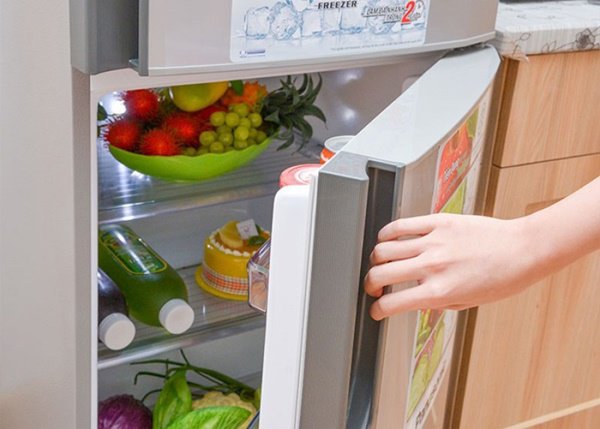
In reality, this figure is only an average. During daily use, certain habits can help reduce the amount of electricity your refrigerator consumes. This is especially true in winter, when a single simple adjustment involving the freezer and refrigerator compartments can make a difference. Yet many users are unaware of this setting. The adjustment is simply changing the temperature using the refrigerator’s control knob or digital panel.
How Should You Adjust Refrigerator Temperature in Winter?
Experienced refrigeration experts recommend lowering the cooling level during winter to save electricity.
In most modern refrigerators, temperature settings are marked from 1–5 or 1–6. During summer, the setting is often kept at the highest or near-highest level. But in winter, reducing it to level 2–3, or even level 1, is usually sufficient.
Bách Hóa Xanh, a well-known retail supermarket chain in Vietnam, explains that at level 1, the refrigerator temperature typically ranges from 2°C to 5°C. This is an ideal range that allows the appliance to function effectively while keeping food fresh and reducing electricity consumption. The same adjustment can be applied to the freezer compartment.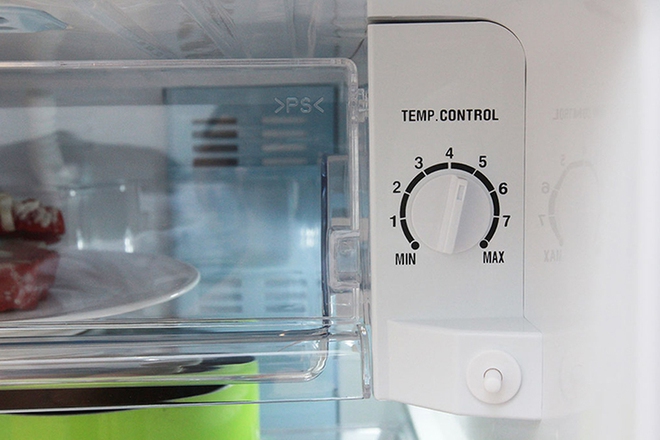
Besides seasonal changes, users should also adjust the temperature according to the amount of food stored. For example, if the refrigerator contains only a small amount of food, a lower cooling level is sufficient.
Conversely, when the refrigerator is heavily loaded, increasing the cooling level is necessary. In particular, if the freezer contains a large quantity of fresh seafood or meat, it is best to maintain a temperature of around -18°C. This temperature effectively inhibits bacterial growth, helping food stay fresh and safe for longer.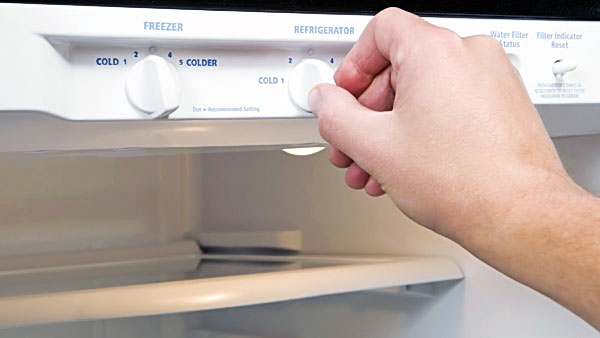
Other Tips to Help Your Refrigerator Save Electricity
1. Place the Refrigerator in a Suitable Location
Refrigerators typically release heat through the back or side panels. If heat dissipation is obstructed, the appliance must work harder, increasing electricity consumption.
To prevent this, avoid placing the refrigerator too close to walls or other objects that block ventilation.
You should also avoid placing it near heat-generating appliances such as microwave ovens, electric stoves, or conventional ovens. When two heat-producing appliances are positioned close together, the surrounding temperature rises significantly, which can shorten the lifespan of both devices.
2. Avoid Leaving the Refrigerator Door Open for Too Long
Keeping the refrigerator door open for extended periods allows cold air to escape.
As a result, the compressor must work harder to restore the internal temperature, which leads to higher energy consumption.
To save electricity, open the refrigerator only when necessary and make sure the door is closed tightly after use.
3. Store Food in Glass or Ceramic Containers
Many households store fruits, vegetables, and leftovers in plastic containers. However, experts suggest using glass or ceramic containers whenever possible, as these materials retain cold temperatures more effectively.
Arranging containers neatly and avoiding overcrowding also helps cold air circulate evenly, reducing the refrigerator’s workload and lowering electricity usage.
4. Regularly Inspect and Clean the Refrigerator
One of the simplest but most effective energy-saving habits is to clean and inspect your refrigerator regularly.
Experts recommend cleaning the appliance every one to three months to remove dust that may block air vents and force the compressor to work harder.
Daily checks are also important, especially for the rubber door seals. Over time, these seals can wear out, loosen, or become damaged, preventing the door from closing properly and allowing cold air to escape—ultimately wasting electricity.