During the summer, many people place a fan at the head of the bed so that cool air blows directly onto their face, neck, or chest, helping them fall asleep more quickly. Others prefer to place the fan at the foot of the bed, directing airflow toward their feet because they believe this is less harmful.
In reality, according to medical recommendations, the issue is not simply whether the fan should point toward your head or your feet. What matters most is avoiding a strong, cold, fixed stream of air blowing directly onto your body for long periods—especially while you sleep.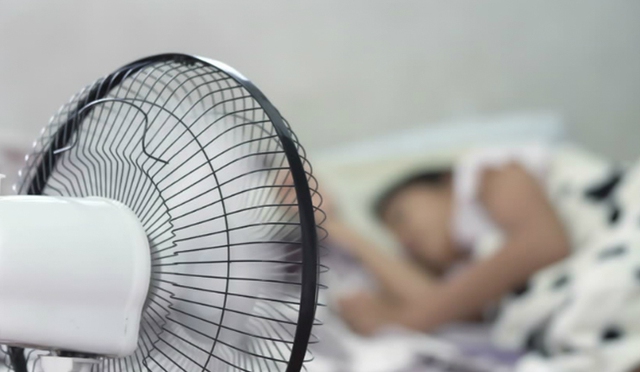
Avoid Letting the Fan Blow Directly on Your Head, Face, and Neck
Among all areas of the body, the head, face, and back of the neck are the regions most commonly identified by health experts as areas that should not be exposed to direct airflow during sleep.
Bach Mai Hospital has advised that during hot weather, people should not sleep with a fan or air conditioner blowing cold air directly onto the face or the back of the neck. Doctors at the hospital also caution against direct airflow to the head and neck, especially when the body has just experienced sudden temperature changes.
This means that placing a fan at the head of the bed and allowing it to blow straight onto your face, head, or neck is not the best option. While sleeping, the body is in a resting state and is less able to respond to cold temperatures and continuous airflow than when awake. After several hours in this position, you may wake up with a dry nose and throat, neck and shoulder stiffness, or irritated eyes.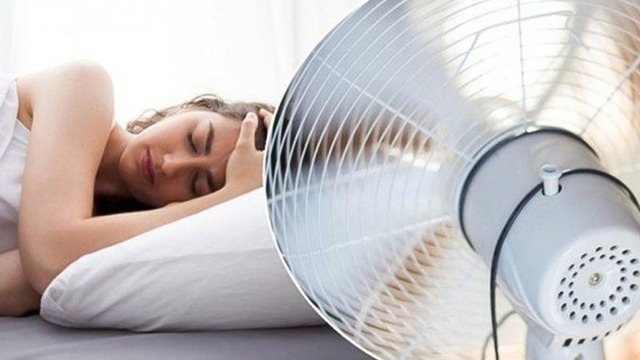
International medical sources provide similar advice. Mayo Clinic recommends that people with dry eyes avoid direct airflow from fans, air conditioners, heaters, or hair dryers. Cleveland Clinic cites Michael Benninger, who suggests positioning the fan away from the body. The fan can still circulate air and provide soothing background noise while reducing direct effects on the throat, nose, and face.
Is Pointing the Fan Toward Your Feet the Best Option?
Compared with directing airflow toward the head, face, or neck, placing the fan at the foot of the bed and aiming it toward your feet is generally considered a better choice. However, this does not mean that strong airflow blowing on your feet all night is ideal.
VTV Sức Khỏe quoted Len Horovitz, a lung specialist at Lenox Hill Hospital, who recommends placing the fan at the end of the bed, about 3–4 meters from the body, and using the oscillation mode. He notes that direct airflow can dry out the mouth and nasal passages and may also circulate dust, which can worsen allergy symptoms.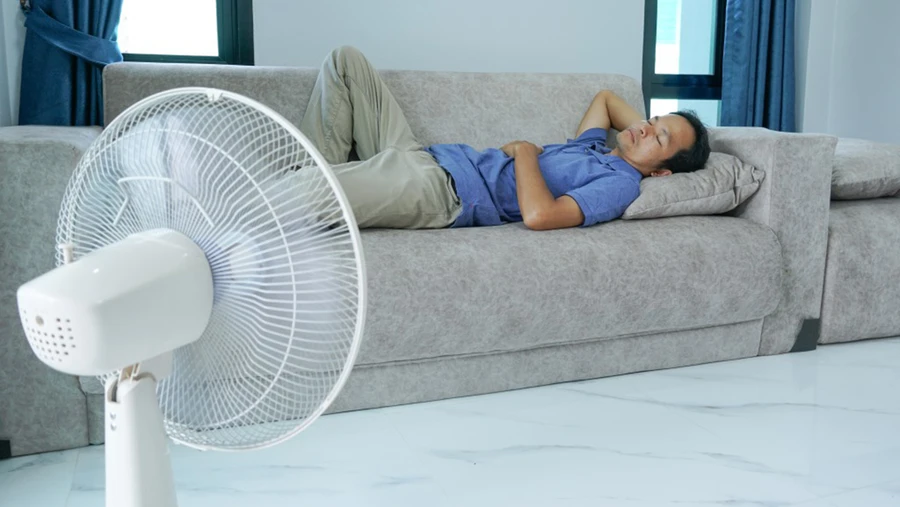
If you must choose between the head and the feet, aiming the fan toward your feet or placing it at the foot of the bed is generally less problematic than directing airflow toward your head, face, or neck. Still, the best approach is to use a gentle breeze with oscillation so that air does not remain focused on one area of the body for many hours.
The Preventive Medicine Department of Vietnam’s Ministry of Health has also advised during hot weather that air conditioner temperatures should not be set too low and that fan airflow should not blow directly onto the body.
Sleep Foundation notes that sleeping with a fan is generally safe for most people, but it may cause discomfort for those with allergies or sensitivity to noise. Fans can circulate dust, pollen, and other allergens throughout the room, making symptoms worse for allergy-prone individuals.
How to Position a Fan for Better Sleep and Better Health
Instead of placing the fan next to your pillow, it is better to position it at the foot of the bed, slightly off to one side, or aimed toward an open area in the room to create indirect airflow. If the room is not too stuffy, you can point the fan toward a wall or the ceiling so that the air reflects gently and keeps the room cool without blowing directly onto your face, neck, chest, or abdomen.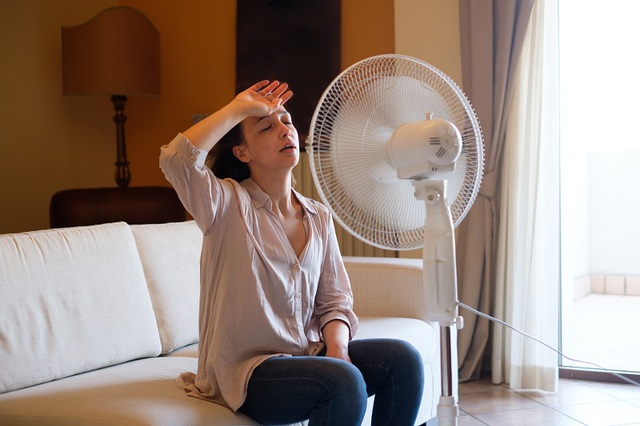
When sleeping, choose a low or medium fan speed and turn on the oscillation feature. This helps distribute air evenly and prevents prolonged exposure to one part of the body.
Older adults, young children, people who are feeling unwell, and those with respiratory conditions, allergic rhinitis, or chronic neck and shoulder pain should be especially careful to avoid sleeping directly in front of strong airflow.