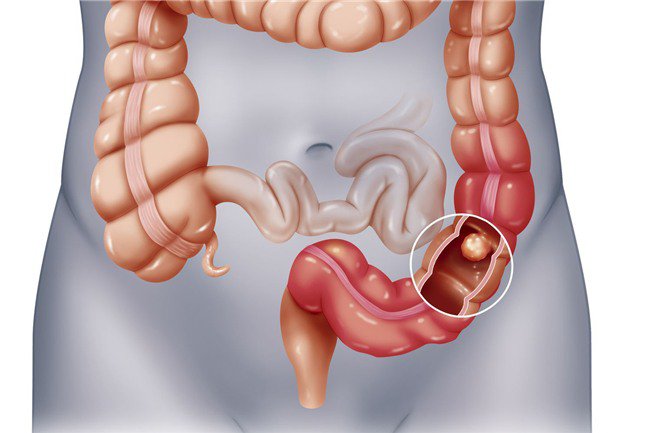
Colon cancer, also known as colorectal cancer, is one of the most common cancers worldwide. It often develops slowly over time, and in its early stages, symptoms may be subtle or easy to overlook. Many people mistake early warning signs for digestive problems, stress, diet changes, or minor stomach issues.
The important thing to understand is that most digestive symptoms are not caused by colon cancer. Conditions such as hemorrhoids, irritable bowel syndrome, infections, and food sensitivities are far more common. However, persistent body changes should never be ignored, especially when they continue for weeks or gradually worsen.
Recognizing possible warning signs early may help encourage timely medical evaluation and improve the chances of early detection.
Why Colon Cancer Is Often Detected Late
One reason colon cancer can be dangerous is that it may develop quietly for years before noticeable symptoms appear.
Small tumors may not cause obvious discomfort at first. As the disease progresses, the body may begin showing subtle changes involving:
- Digestion
- Energy levels
- Bowel habits
- Weight
Because symptoms may appear gradually, many people delay seeking medical attention.
1. Persistent Changes in Bowel Habits
One of the most common warning signs involves ongoing changes in bowel movements.
Possible symptoms include:
- Persistent constipation
- Frequent diarrhea
- Alternating constipation and diarrhea
- Increased urgency
- Feeling unable to fully empty the bowels

Occasional digestive changes are normal and often related to diet or stress.
However, bowel habit changes lasting several weeks deserve medical evaluation, especially if they become progressively worse.
2. Blood in the Stool
Blood in stool is one of the most important symptoms that should never be ignored.
It may appear:
- Bright red
- Dark red
- Black and tar-like
Possible noncancerous causes include:
- Hemorrhoids
- Anal fissures
- Infections
However, bleeding can also occur with colon or rectal cancer.
Sometimes blood is not visible to the naked eye and may only be detected through testing.
Any unexplained bleeding should be evaluated by a healthcare professional.
3. Unexplained Weight Loss
Unexpected weight loss without dieting or increased exercise may sometimes signal serious illness.
People may notice:
- Clothes becoming looser
- Reduced appetite
- Muscle loss
- Ongoing fatigue
Cancer can sometimes affect metabolism and increase the body’s energy demands.
While many conditions can cause weight loss, unexplained changes should not be ignored.
4. Persistent Fatigue and Weakness
Colon cancer may sometimes cause chronic blood loss inside the digestive tract, leading to anemia.
Symptoms of anemia may include:
- Weakness
- Fatigue
- Dizziness
- Pale skin
- Shortness of breath
Many people assume fatigue is caused by stress or aging, but persistent exhaustion without clear explanation deserves medical attention.
.jpg)
5. Ongoing Abdominal Pain or Bloating
Some individuals experience persistent digestive discomfort before diagnosis.
Symptoms may include:
- Cramping
- Bloating
- Gas
- Pressure
- Abdominal pain
Pain may come and go initially before becoming more frequent.
Although many digestive disorders cause similar symptoms, persistent discomfort should not be ignored when it continues for weeks.
Other Symptoms That May Occur
Additional possible warning signs include:
- Pencil-thin stool
- Feeling full quickly
- Nausea
- Loss of appetite
- Persistent gas
Symptoms vary widely between individuals.
Some people may experience few symptoms until the disease becomes advanced.
Risk Factors for Colon Cancer
Several factors may increase risk, including:
- Age over 45
- Family history
- Obesity
- Smoking
- Heavy alcohol use
- Diet high in processed meat
- Physical inactivity
- Chronic inflammatory bowel disease
However, younger adults are increasingly being diagnosed as well.
Why Screening Matters
Colon cancer is often more treatable when discovered early.
Screening methods may include:
- Colonoscopy
- Stool testing
- Imaging studies
In many countries, routine screening is recommended beginning around age 45 for average-risk adults.
People with family history may need earlier screening.
Healthy Habits That May Help Lower Risk
Although not all cases are preventable, certain habits may support colon health:
- Eating more fiber
- Increasing fruit and vegetable intake
- Exercising regularly
- Maintaining healthy weight
- Limiting processed meat
- Avoiding smoking
- Reducing alcohol intake
Balanced lifestyle habits support overall digestive health and long-term wellness.
When to See a Doctor
Medical evaluation is important if symptoms:
- Persist for several weeks
- Include bleeding
- Worsen gradually
- Interfere with daily life
- Occur alongside weight loss or fatigue
Early evaluation does not automatically mean cancer is present, but it may help identify both serious and non-serious causes sooner.
Final Thoughts
Colon cancer often develops quietly, and early warning signs may resemble common digestive issues. Persistent changes in bowel habits, blood in stool, unexplained weight loss, fatigue, and ongoing abdominal discomfort are body changes that should never be ignored.
Most symptoms are caused by noncancerous conditions, but the body often provides clues when something is wrong. Paying attention to ongoing digestive changes and seeking timely medical evaluation may help support earlier diagnosis and better long-term outcomes.
This article is for informational purposes only and should not replace professional medical advice, diagnosis, or treatment.