Avocados are often praised as one of the healthiest foods in the world. Rich in healthy fats, fiber, vitamins, and antioxidants, they have become incredibly popular in smoothies, salads, sandwiches, and wellness-focused diets.
For many people, avocados can absolutely be part of a nutritious eating plan. They contain nutrients linked to heart health, satiety, skin wellness, and balanced nutrition.
However, despite their healthy reputation, avocados may not be ideal for everyone in every situation. Like many foods, they can sometimes cause problems for certain individuals depending on allergies, medical conditions, medications, or dietary needs.
Experts say moderation and personal health context matter far more than blindly labeling any food as “perfect.”
Here are five groups of people who may need to be more cautious with avocado consumption.
Why Avocados Are So Popula

Avocados are rich in:
- Monounsaturated fats
- Fiber
- Potassium
- Vitamin E
- Folate
- Antioxidants
These nutrients may help support:
- Heart health
- Fullness after meals
- Skin health
- Balanced cholesterol levels
Still, healthy foods are not automatically suitable for every person.
1. People With Avocado Allergies
Although uncommon, avocado allergies do exist.
Some individuals may experience:
- Itching
- Swelling
- Hives
- Digestive discomfort
- Mouth irritation

In more severe cases, allergic reactions may become serious and require medical attention.
Some people with latex allergies may also react to avocados because of cross-reactive proteins. This is sometimes called:
- Latex-fruit syndrome
Foods occasionally linked to this syndrome may include:
- Avocado
- Banana
- Kiwi
- Chestnut
Anyone noticing allergic symptoms after eating avocado should seek medical evaluation.
2. People With Kidney Problems
Avocados are naturally high in potassium.
Potassium is an essential mineral that supports:
- Muscle function
- Nerve signaling
- Heart rhythm
However, people with advanced kidney disease may struggle to remove excess potassium efficiently.
Excess potassium buildup may become dangerous in severe kidney disease.
For this reason, some kidney patients are advised to monitor or limit high-potassium foods, including avocados.
Dietary recommendations vary depending on:
- Kidney function
- Blood test results
- Individual medical guidance
3. People Trying to Strictly Control Calories
Avocados contain healthy fats, but they are also relatively calorie-dense compared with many fruits and vegetables.
A medium avocado may contain:
- Significant calories
- High fat content
Healthy fats are still fats, meaning excessive portions may contribute to calorie overload.

This does not mean avocados are “bad,” but portion size matters — especially for people following structured weight-management plans.
Balance remains key.
4. People Taking Certain Blood-Thinning Medications
Avocados contain vitamin K, which plays a role in blood clotting.
People taking medications such as warfarin may sometimes need consistent vitamin K intake to help maintain stable medication effects.
Sudden major dietary changes involving vitamin K-rich foods may affect medication balance in some individuals.
This does not necessarily mean people on blood thinners must avoid avocados entirely, but they should discuss dietary habits with healthcare professionals.
Consistency is often more important than complete restriction.
5. People With Sensitive Digestion
Some individuals experience digestive symptoms after eating large amounts of avocado.
Possible symptoms may include:
- Bloating
- Gas
- Stomach discomfort
- Loose stools
Avocados contain:
- Fiber
- Natural plant compounds
- Sugar alcohols in small amounts
These may occasionally trigger symptoms in people with:
- Irritable bowel syndrome (IBS)
- Sensitive digestion
- FODMAP sensitivities
Some people tolerate small portions well but react to larger servings.
Healthy Foods Can Still Cause Problems for Some People
One important lesson nutrition experts emphasize is:
- “Healthy” does not mean universally perfect
Every person has unique:
- Genetics
- Digestion
- Medical history
- Medication interactions
- Nutritional needs
Even nutritious foods may need adjustment based on individual health conditions.
Portion Size Matters More Than Fear
For most healthy individuals, moderate avocado consumption is considered safe and nutritious.
Problems often arise from:
- Excessive portions
- Unbalanced diets
- Ignoring medical conditions
- Overreliance on trendy foods
Nutrition is usually about long-term patterns rather than one single ingredient.
Benefits of Avocados for Many People
For many people, avocados may support:
- Heart health
- Healthy cholesterol levels
- Satiety
- Nutrient intake
Their healthy fats may help improve absorption of certain vitamins from vegetables as well.
Again, context and moderation matter.
Why Nutrition Advice Can Be Complicated
Nutrition headlines online often oversimplify foods into:
- “Superfoods”
or - “Dangerous foods”
In reality, nutrition science is much more nuanced.
A food that benefits one person may not suit another person’s medical situation.
This is why personalized medical advice matters.
Healthy Eating Is About Overall Balance
Experts generally encourage:
- Variety
- Moderation
- Whole foods
- Balanced meals
- Long-term consistency
No single food determines health outcomes alone.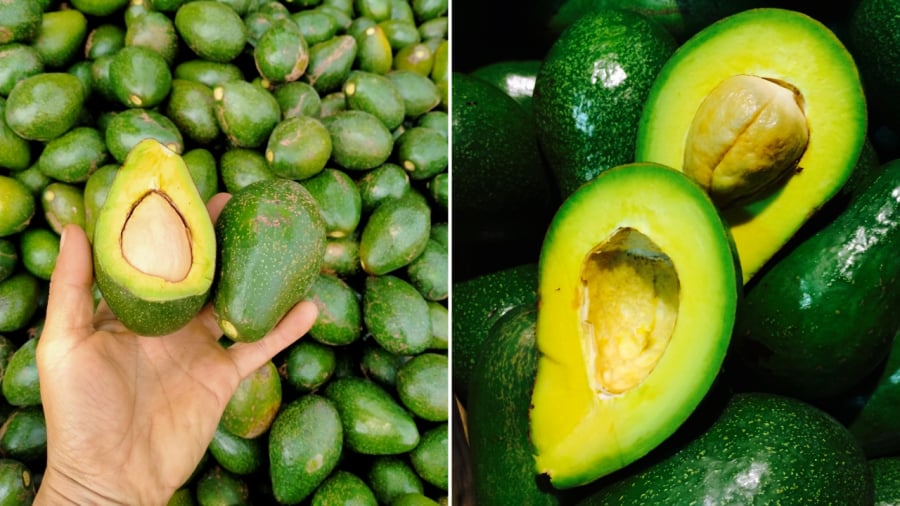
Final Thoughts
Avocados remain a highly nutritious food for many people, but certain individuals including those with allergies, kidney disease, digestive sensitivities, calorie restrictions, or specific medication needs may need to be more cautious.
The key message is not fear, but awareness and balance.
Sometimes even the healthiest foods work best when matched carefully to an individual’s unique body and health needs.