High-Dose Nattokinase May Help Reduce Arterial Plaque, According to 12-Month Clinical Study
A clinical study involving more than 1,000 participants is drawing attention after researchers reported that high-dose nattokinase supplementation was associated with reductions in carotid plaque size and arterial wall thickness over a 12-month period.
Nattokinase is a natural enzyme extracted from natto, a traditional Japanese fermented soybean dish. For years, it has been studied for its possible cardiovascular benefits, especially its effects on blood flow and circulation.
Now, newer research suggests it may also influence markers linked to atherosclerosis — the buildup of fatty plaque inside arteries that can increase the risk of heart attack and stroke.
What Did the Study Find?
The study, published in Frontiers in Cardiovascular Medicine, followed 1,062 adults with hyperlipidemia and/or carotid atherosclerosis over the course of one year. Participants received nattokinase at a dose of 10,800 fibrinolytic units (FU) per day. ()
Researchers reported several notable findings after 12 months:
• Reduction in carotid artery plaque size
• Decreased carotid intima-media thickness (CIMT), a marker of arterial wall thickening
• Improvements in cholesterol levels, including lower LDL (“bad”) cholesterol and triglycerides
• Increased HDL (“good”) cholesterol in many participants ()
According to the study, higher doses appeared significantly more effective than lower doses such as 3,600 FU/day, which showed little measurable improvement. ()
Why Carotid Plaque Matters
The carotid arteries are major blood vessels located in the neck that supply blood to the brain.
Over time, plaque buildup inside these arteries can:
• Restrict blood flow
• Increase stroke risk
• Contribute to cardiovascular disease
Doctors often use ultrasound measurements like CIMT to evaluate early atherosclerosis progression before symptoms appear.
When arterial walls become thicker or plaque enlarges, the risk of cardiovascular complications may increase.
How Might Nattokinase Work?
Researchers believe nattokinase may support cardiovascular health through several possible mechanisms:
• Breaking down fibrin, a protein involved in blood clot formation
• Supporting blood circulation
• Reducing inflammation-related vascular stress
• Influencing cholesterol metabolism
Nattokinase is commonly described as a “fibrinolytic” enzyme because of its ability to help break down fibrin. ()
Some scientists believe this may partially explain its cardiovascular effects, though research is still ongoing.
Not All Studies Have Found the Same Results
Despite the promising findings, experts caution that the evidence is not yet definitive.
Another randomized controlled trial published in PubMed did not find significant differences in carotid artery thickness progression between nattokinase and placebo groups after long-term supplementation at lower doses. ()
Researchers and medical experts say more large-scale, well-controlled studies are still needed before nattokinase can be considered a proven treatment for plaque reversal.
In other words, the research is promising — but not conclusive.
Can Nattokinase Replace Medical Treatment?
Doctors strongly warn against using supplements as a substitute for prescribed cardiovascular treatment.
Atherosclerosis and cardiovascular disease are serious medical conditions that often require:
• Cholesterol management
• Blood pressure control
• Lifestyle changes
• Medical supervision
• Prescription medications in some cases
Supplements alone are not considered a replacement for evidence-based treatment.
Possible Risks and Side Effects
Although nattokinase is generally marketed as a natural supplement, it may not be safe for everyone.
Because it may affect blood clotting, experts warn that nattokinase could potentially increase bleeding risk — especially in people who:
• Take blood thinners
• Use aspirin regularly
• Have bleeding disorders
• Are preparing for surgery
Some people also report:
• Dizziness
• Low blood pressure
• Digestive discomfort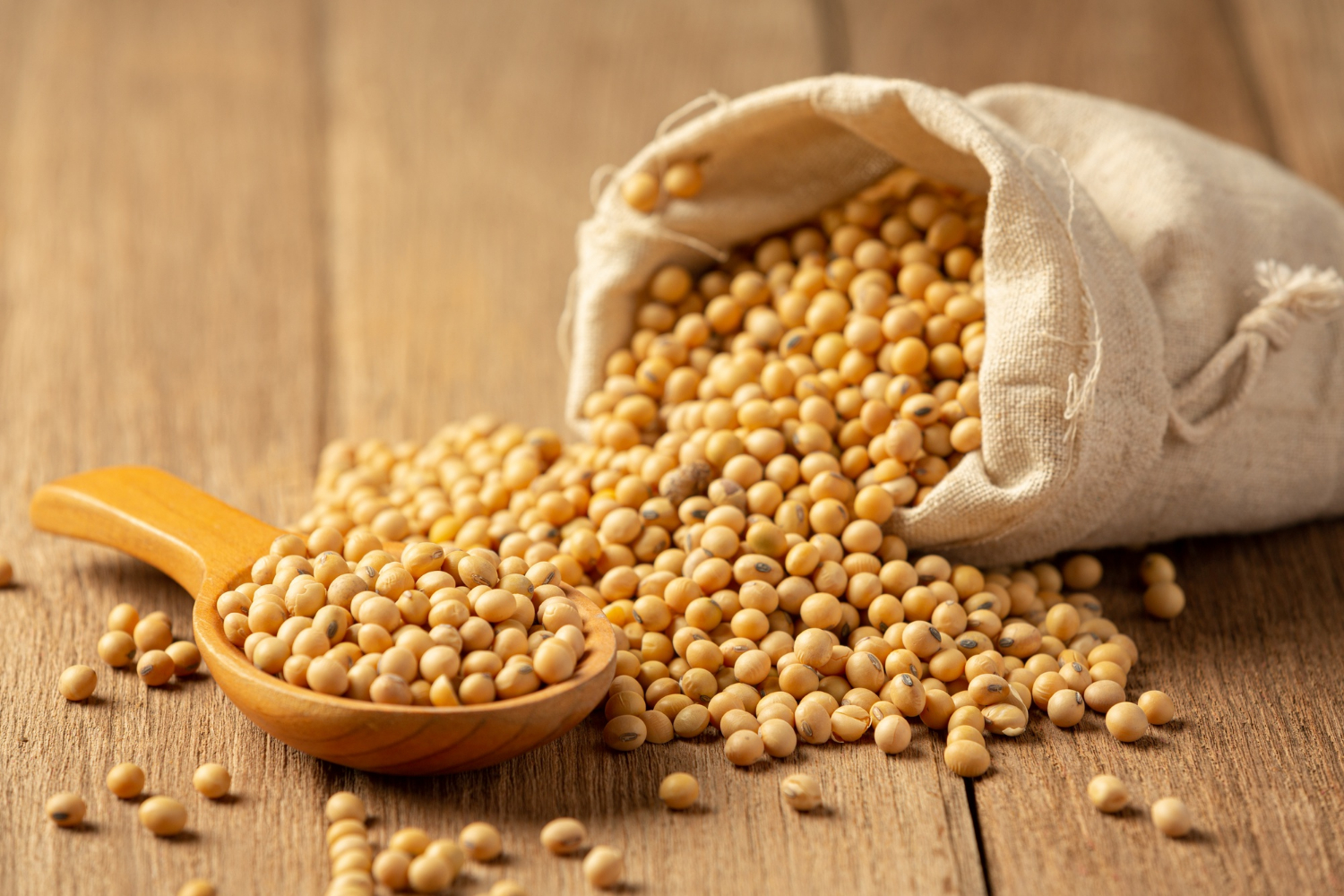
Doctors recommend speaking with a healthcare professional before starting high-dose supplementation.
Lifestyle Still Matters Most
Researchers noted that participants with healthier lifestyle habits often showed better results overall.
Experts continue to emphasize that cardiovascular health depends heavily on:
• Healthy diet
• Exercise
• Not smoking
• Weight management
• Cholesterol control
• Blood pressure management
No supplement can fully replace these habits.
What People Online Are Saying
Discussion around nattokinase has also exploded online, especially in health and supplement communities.
Some Reddit users report improvements in blood pressure or cholesterol markers after taking nattokinase, while others say they noticed little to no change. ()
Many users and experts alike stress the importance of realistic expectations. Several commenters pointed out that while soft plaque progression may potentially improve, hardened calcified plaque is much more difficult to reverse. ()
The Bottom Line
The 12-month clinical study suggests that high-dose nattokinase may help reduce carotid plaque size and arterial thickness in some individuals, particularly when combined with healthy lifestyle habits. ()
However, researchers caution that more rigorous clinical trials are still needed to fully confirm its effectiveness and long-term safety.
While the findings are encouraging, doctors say nattokinase should not replace professional medical care, prescribed medications, or proven heart-health strategies.
Sources:
• Frontiers in Cardiovascular Medicine Study
• PubMed Clinical Study Overview
• PubMed Randomized Controlled Trial on Nattokinase