Why Nobody Should Be Eating Tilapia Anymore — Or Should They?
You may have seen dramatic headlines claiming that no one should be eating tilapia anymore. But is tilapia really that dangerous? Or is the controversy more complicated than it seems?
Let’s break down the facts and separate myths from evidence.
What Is Tilapia?
Tilapia is a mild-flavored freshwater fish that has become one of the most widely consumed fish in the world. It is inexpensive, easy to farm, and widely available in supermarkets and restaurants.
Countries such as China, Indonesia, Egypt, and several Latin American nations are major producers of farmed tilapia. In many places, it is considered an affordable and accessible source of protein.
Why Has Tilapia Been Criticized?
Several concerns have fueled negative headlines about tilapia:
1. Farming Practices
Some tilapia is farmed in large-scale aquaculture systems. In poorly regulated environments, overcrowding and unsanitary conditions can increase the risk of disease and contamination. In certain regions, there have been concerns about:
-
Overuse of antibiotics
-
Poor water quality
-
Environmental pollution
However, it’s important to note that farming standards vary widely by country and producer. Not all tilapia is raised under poor conditions.
2. Omega-6 vs. Omega-3 Fatty Acids
One of the most common criticisms is related to fatty acid composition. Unlike fatty fish such as:
-
Salmon
-
Mackerel
-
Sardine
Tilapia contains relatively low levels of omega-3 fatty acids and higher levels of omega-6 fatty acids.
Omega-3s are associated with heart and brain health, while excessive omega-6 intake (without enough omega-3) may promote inflammation. Some critics argue that tilapia’s fatty acid profile makes it a less heart-healthy choice compared to oily fish.
However, tilapia is not “toxic.” It simply doesn’t provide the same level of beneficial omega-3 fats.
3. Contaminants and Chemicals
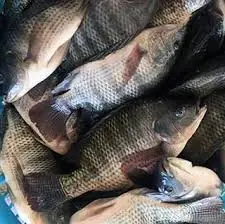
Another concern involves potential contamination with heavy metals, pesticides, or banned chemicals. These risks depend heavily on:
-
The country of origin
-
Local regulations
-
Farm management practices
In countries with strict food safety standards, imported tilapia is tested and regulated. Problems are more likely when fish comes from poorly monitored sources.
Is Tilapia Actually Dangerous?
For most healthy individuals, tilapia is not considered dangerous when sourced from reputable suppliers and cooked properly.
In fact, tilapia provides:
-
Lean protein
-
Vitamin B12
-
Selenium
-
Potassium
It is low in mercury compared to larger predatory fish, which makes it a relatively safer option for pregnant women and children in moderation.
The issue is not that tilapia is poisonous — it’s that it may not be the most nutrient-dense fish choice available.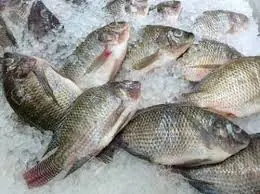
When Should You Be Cautious?
You may want to be more selective about tilapia if:
-
You rely on fish primarily for omega-3 benefits
-
You are concerned about inflammatory conditions
-
You cannot verify the source or farming standards
In such cases, fatty fish like salmon or sardines may offer greater health benefits.
A More Balanced Conclusion
The claim that “nobody should be eating tilapia anymore” is an exaggeration.
Tilapia is not inherently harmful. However, it is not a superfood either. Like many foods, its health impact depends on:

-
How it was raised
-
How often you eat it
-
What the rest of your diet looks like
If you enjoy tilapia, choose responsibly sourced products, cook them properly, and balance your diet with other nutrient-rich fish and plant foods.
In nutrition, extremes rarely tell the whole story. Moderation and informed choices matter far more than viral headlines.