The 3 “Dirtiest” Parts of Chicken: What You Should Know Before Eating
Chicken is one of the most popular and affordable sources of protein worldwide. It’s versatile, nutritious, and generally safe when properly handled and cooked. However, like all animal products, certain parts of the chicken may carry a higher risk of bacteria, contaminants, or accumulated impurities if not cleaned and prepared correctly.
Let’s take a closer look at three chicken parts that are often considered the “dirtiest” — and what you should know about them.
1. The Chicken Skin
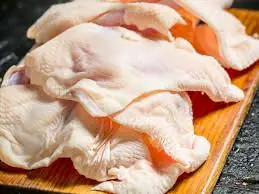
Chicken skin is flavorful and crispy when cooked, but it can also be one of the most problematic parts.
Why it may pose risks:
-
Higher fat content: Chicken skin contains a significant amount of saturated fat. Excessive intake may contribute to heart disease and high cholesterol.
-
Bacteria exposure: During processing and handling, bacteria such as Salmonella and Campylobacter are more likely to remain on the outer surface.
-
Residue accumulation: If the chicken was exposed to environmental contaminants, residues are more likely to stay on the skin.
Should you avoid it?
Not necessarily. If cooked thoroughly at safe internal temperatures (165°F / 75°C), bacteria are destroyed. However, people concerned about heart health may prefer removing the skin to reduce fat intake.
2. The Chicken Lungs
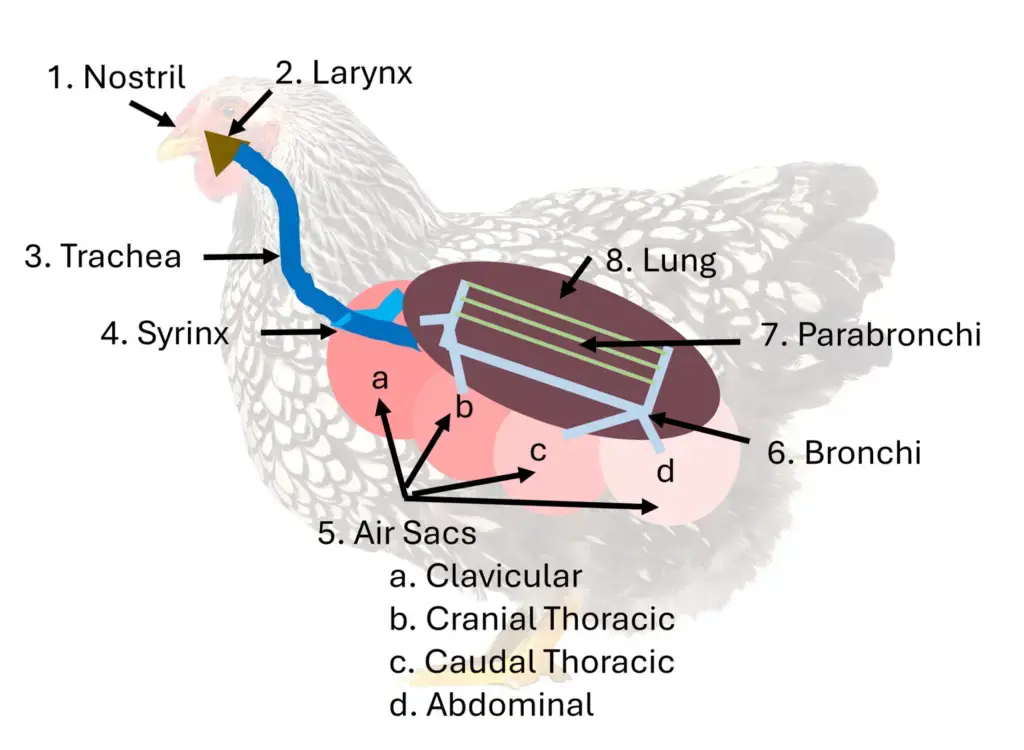
In some cuisines, chicken lungs are consumed, while in others they are discarded.
Why they are controversial:
-
Filter organ: Lungs help filter air and may contain airborne contaminants.
-
Higher bacterial load: As part of the respiratory system, they can harbor microorganisms.
-
Regulatory concerns: In some countries, the sale of chicken lungs for human consumption is restricted due to hygiene concerns.
Safety note:
If consumed, they must be cleaned extremely thoroughly and fully cooked. However, many food safety authorities advise avoiding them altogether.
3. The Chicken Tail (Parson’s Nose)
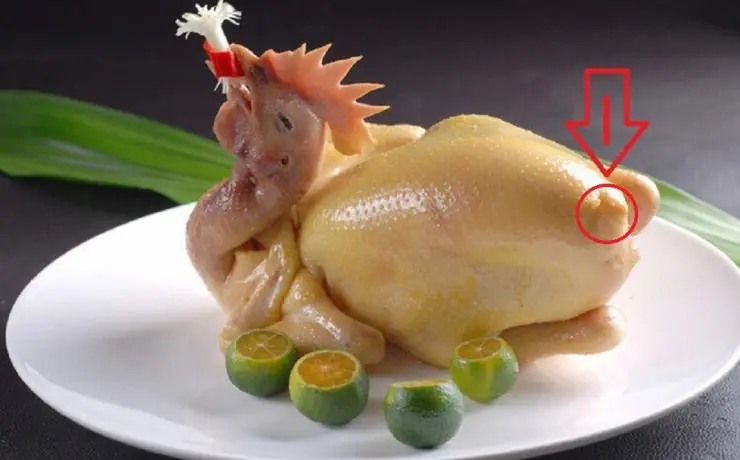
The tail — sometimes called the “parson’s nose” — is the small fatty portion at the back of the chicken.
Why it raises concerns:
-
High fat concentration: It contains a large amount of fat.
-
Proximity to waste exit: Because of its location near the cloaca (where waste is expelled), improper cleaning may increase contamination risk.
-
Bacteria exposure during processing: If not handled properly, this area can carry more bacteria than other cuts.
Is it unsafe?
Not inherently — but it requires careful cleaning and thorough cooking. Many people choose to remove it before cooking.
Important: Cooking and Handling Matter More Than the Cut
It’s crucial to understand that no part of properly inspected and safely handled chicken is automatically “poisonous.” The real risks come from:
-
Improper storage
-
Cross-contamination in the kitchen
-
Undercooking
-
Poor hygiene during processing
Cooking chicken to an internal temperature of 165°F (75°C) kills harmful bacteria.
Final Thoughts
While some parts of the chicken — such as the skin, lungs, and tail — may carry higher fat content or greater contamination risk if not handled correctly, they are not inherently toxic. Food safety practices, proper cleaning, and thorough cooking are far more important than simply avoiding specific parts.
If you have underlying health conditions, weakened immunity, or heart concerns, you may choose leaner cuts like skinless chicken breast. Otherwise, safe preparation is the key to enjoying chicken without unnecessary health risks.
If you’d like, I can also create a more scientific, research-backed version or a more attention-grabbing blog-style article.