Skin Cancer Symptoms: Is a Large Spot a Warning Sign?
Skin cancer is one of the most common types of cancer worldwide. The good news is that it is also one of the most treatable—especially when detected early. One symptom that should never be ignored is a large or growing spot on the skin. While not every big spot is cancerous, certain changes can signal a serious problem.
Below is what you need to know about large skin spots and when to seek medical advice.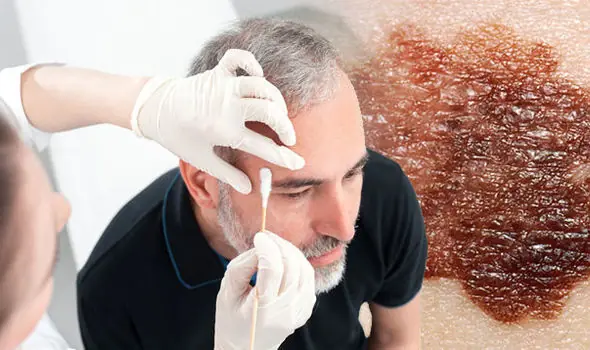
Understanding Skin Cancer
Skin cancer develops when skin cells grow abnormally, usually due to damage from ultraviolet (UV) radiation from the sun or tanning beds. The three most common types are:
-
Basal cell carcinoma – The most common and usually slow-growing form.
-
Squamous cell carcinoma – Can grow deeper into the skin if untreated.
-
Melanoma – Less common but more aggressive and potentially life-threatening.
Among these, melanoma is the most dangerous because it can spread quickly to other parts of the body.
Is a Large Spot a Warning Sign?
A large spot on your skin can be a warning sign—especially if it:
-
Is larger than 6 millimeters (about the size of a pencil eraser)
-
Continues to grow over time
-
Has irregular or uneven borders
-
Shows multiple colors (brown, black, red, white, or blue)
-
Changes in shape, size, or texture
These features are part of the well-known ABCDE rule used to evaluate suspicious moles:
-
A – Asymmetry: One half doesn’t match the other
-
B – Border: Edges are irregular or blurred
-
C – Color: Uneven or multiple colors
-
D – Diameter: Larger than 6mm
-
E – Evolving: Changing in appearance
If a large spot meets any of these criteria, it should be checked by a healthcare professional.
Other Symptoms to Watch For
Besides size, pay attention to:
-
A sore that doesn’t heal
-
A spot that bleeds or crusts repeatedly
-
Persistent itching or tenderness
-
A new growth that looks different from your other moles (“the ugly duckling” sign)
Not all skin cancers appear as dark moles. Some may look pink, flesh-colored, or even resemble a scar.
Who Is at Higher Risk?
You may have a higher risk of skin cancer if you:
-
Have fair skin that burns easily
-
Have a history of frequent sunburns
-
Use tanning beds
-
Have many moles or unusual moles
-
Have a family history of skin cancer
-
Spend long hours in the sun without protection
However, skin cancer can affect people of all skin tones.
When to See a Doctor
You should consult a healthcare provider if:
-
A spot is growing rapidly
-
It changes noticeably within weeks or months
-
It becomes painful, bleeds, or ulcerates
-
You simply feel unsure about a lesion
Doctors can perform a skin exam and, if necessary, a biopsy to determine whether the spot is cancerous.
Prevention Tips
While not all cases can be prevented, you can reduce your risk by:
-
Using broad-spectrum sunscreen (SPF 30 or higher) daily
-
Wearing protective clothing and hats
-
Avoiding tanning beds
-
Seeking shade during peak sun hours (10 a.m. to 4 p.m.)
-
Performing regular self-exams of your skin
Early detection can dramatically improve treatment outcomes.
Final Thoughts
A large spot on your skin does not automatically mean cancer—but it is a sign you shouldn’t ignore. Monitoring changes and seeking medical advice early can make a life-saving difference. If you notice a spot that looks unusual or continues to grow, it’s always better to get it checked.
If you'd like, I can also create a more SEO-optimized version, a shorter blog version (800–1000 words), or a more medical, research-based article.