Properly defrosting fish is a critical step in food preparation. Incorrect thawing not only compromises texture and flavor but can also increase the risk of bacterial growth. Fish is particularly delicate compared to red meat or poultry. Its muscle fibers are finer, its connective tissue is weaker, and its moisture content is high. Because of this, the thawing method directly affects cooking performance.
Below are three safe and efficient methods to defrost fish while maintaining its texture, flavor integrity, and food safety.
1. Refrigerator Thawing (The Gold Standard)
Refrigerator thawing is widely considered the safest and most quality-preserving method.
How It Works
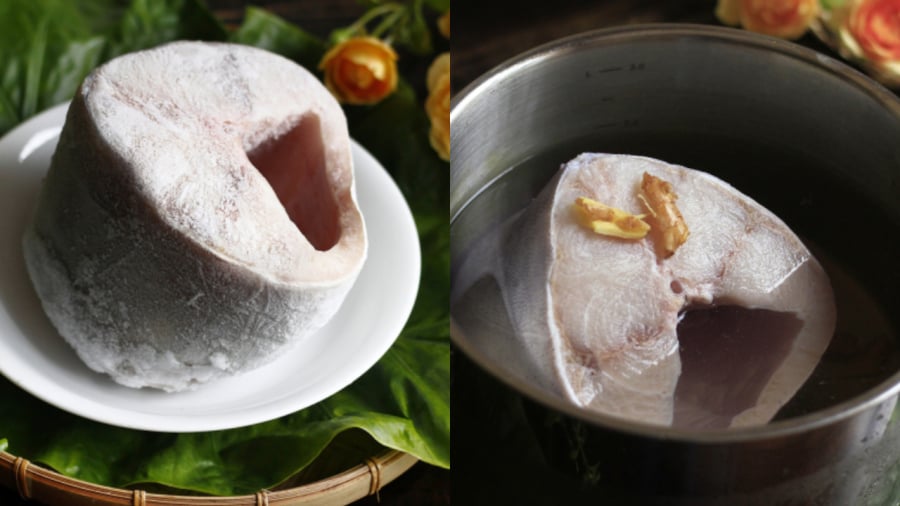
Place the frozen fish in its original packaging or a sealed container. Put it on a plate to catch condensation or liquid runoff. Store it in the refrigerator at 0–4°C (32–40°F).
Thawing time varies:
-
Thin fillets: 6–12 hours
-
Thick cuts or whole fish: 12–24 hours
Why It Preserves Quality
Slow thawing at low temperatures prevents rapid moisture loss. Ice crystals formed during freezing gradually melt back into the muscle fibers rather than escaping as drip loss.
Benefits include:
-
Better texture retention
-
Reduced protein breakdown
-
Lower bacterial growth risk
-
More even cooking results
When to Use This Method
This method is ideal when planning meals in advance. It is especially recommended for premium fish such as salmon, tuna steaks, or delicate white fish.
2. Cold Water Thawing (Fast and Safe Alternative)
When time is limited, cold water thawing is an effective and safe method — if done correctly.
How It Works
-
Place the fish in a waterproof, sealed plastic bag.
-
Submerge it in a bowl of cold tap water.
-
Change the water every 20–30 minutes.
Typical thawing times:
-
Small fillets: 30–60 minutes
-
Larger portions: 1–2 hours
Never use warm or hot water.
Why It Works
Cold water transfers heat more efficiently than air, accelerating thawing without raising the fish into the “danger zone” temperature (5–60°C or 41–140°F) where bacteria multiply rapidly.
Key Safety Points
-
Ensure packaging is watertight to prevent contamination.
-
Cook immediately after thawing.
-
Do not refreeze raw fish thawed using this method.
Quality Impact
When done properly, cold water thawing maintains texture reasonably well, though it may cause slightly more moisture loss than refrigerator thawing.
This method is ideal for weeknight cooking when planning time is limited.
3. Cooking Directly from Frozen (Best for Certain Recipes)
In some cases, fish can be cooked directly from frozen without thawing.
How It Works
Many cooking methods accommodate frozen fish, including:
-
Baking
-
Steaming
-
Poaching
-
Air frying
Add approximately 50% more cooking time compared to thawed fish.
Why It Can Preserve Quality
Cooking from frozen can reduce drip loss because moisture remains trapped during the initial cooking phase. This is particularly effective for:
-
Individually quick frozen (IQF) fillets
-
Vacuum-sealed portions
However, it is not recommended for:
-
Pan-searing (may cook unevenly)
-
Deep scoring or stuffing
-
Thick whole fish
When to Use This Method
This approach is efficient when:
-
The fish is portioned properly
-
The cooking method allows gradual heat penetration
-
Time is limited
It also reduces handling, which lowers contamination risk.
Why Proper Defrosting Matters
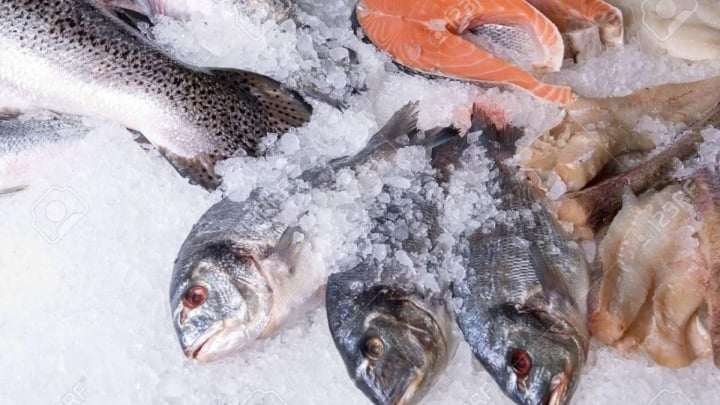
Improper thawing methods — such as leaving fish on the counter at room temperature — create ideal conditions for bacterial growth. Surface layers warm rapidly while the center remains frozen, creating uneven microbial risk.
Poor thawing also causes:
-
Excessive drip loss
-
Mushy texture
-
Protein denaturation
-
Uneven cooking
Fish contains delicate proteins like myosin and actin that denature quickly under temperature stress. Rapid temperature shifts degrade structural integrity.
Methods to Avoid
Avoid these unsafe practices:
-
Thawing at room temperature
-
Using hot water
-
Leaving fish in the sink for extended periods
-
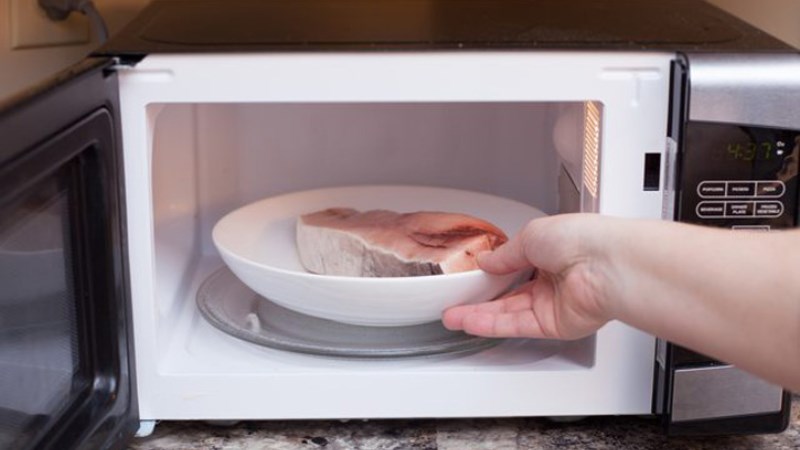
Microwaving without immediate cooking
Microwave thawing can be used only if the fish will be cooked immediately afterward, as it partially cooks outer layers.
Additional Quality Tips
To maintain peak quality:
-
Keep fish vacuum-sealed until thawing.
-
Pat dry before cooking to remove excess moisture.
-
Season only after thawing is complete.
-
Use thawed fish within 24 hours.
Fresh smell is key: properly thawed fish should have a mild ocean scent, not a strong fishy odor.
Texture Science: Why Fish Is Sensitive
Fish muscle fibers are shorter and less dense than mammalian meat. During freezing, ice crystals form inside cells. If thawed too quickly, cell walls rupture and release water.
Slow thawing minimizes cellular damage. Controlled temperature change allows reabsorption of moisture.
This is why thawing method directly impacts:
-
Flakiness
-
Firmness
-
Juiciness
-
Flavor retention

Choosing the Best Method
Use refrigerator thawing when:
-
Planning ahead
-
Preparing high-value fish
-
Prioritizing maximum texture retention
Use cold water thawing when:
-
Cooking the same day
-
Time is limited
-
Fish is properly sealed
Cook from frozen when:
-
Using baking or steaming methods
-
Working with individually portioned fillets
-
Needing speed with safety
Final Thoughts
Defrosting fish is not just a convenience step — it is a quality-control process. The method you choose affects food safety, flavor, and texture.
The three safest and most efficient methods are:
-
Refrigerator thawing
-
Cold water thawing
-
Cooking directly from frozen
Avoid shortcuts that compromise safety. With proper thawing, fish retains its natural moisture, delicate texture, and clean flavor — setting the stage for perfect cooking results.
Good preparation is the foundation of exceptional meals.