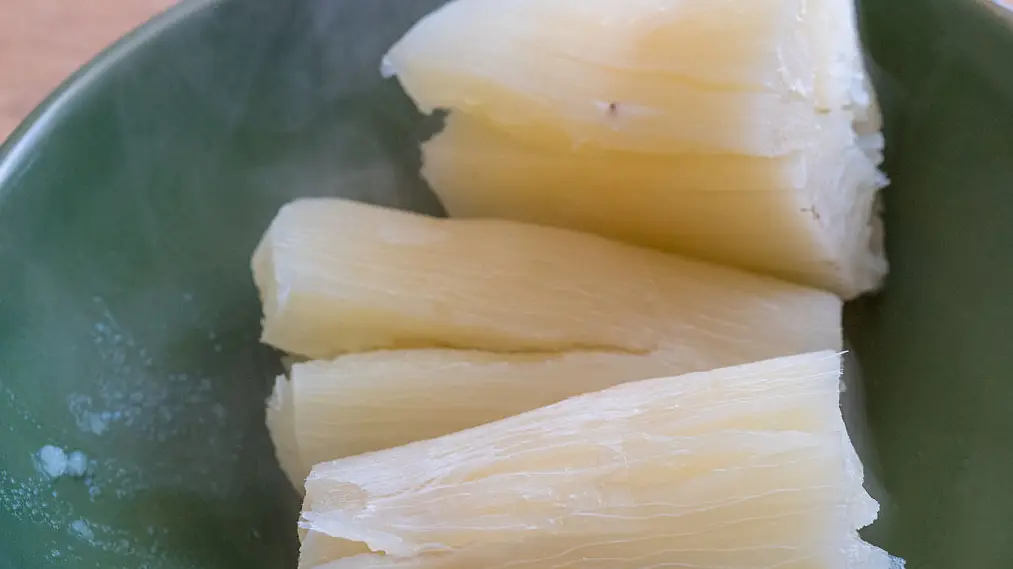
The World’s Deadliest Food? Cassava’s Dual Role as Lifeline and Hidden Danger
Cassava, a starchy root vegetable consumed by more than half a billion people worldwide, has long been considered a lifeline in many developing nations. Yet despite its role as a critical food source, cassava carries a lesser-known reputation: when improperly prepared, it can become dangerously toxic — even deadly.
Native to South America and now widely cultivated across Africa and Asia, cassava thrives in poor soil and harsh climates. Its resilience makes it one of the most reliable crops in regions vulnerable to drought and food shortages. For millions of families, cassava is not just food — it is survival.
However, the plant contains naturally occurring compounds known as cyanogenic glycosides. When cassava is raw or inadequately processed, these compounds can release hydrogen cyanide, a potent toxin. Ingesting high levels of cyanide can lead to acute poisoning, causing symptoms such as dizziness, vomiting, abdominal pain, breathing difficulties and, in severe cases, death.
A Staple with Risks
There are two main varieties of cassava: “sweet” and “bitter.” Sweet cassava contains lower levels of cyanogenic compounds and can generally be made safe through proper cooking. Bitter cassava, however, contains significantly higher toxin levels and requires extensive preparation methods such as soaking, fermenting, drying and thorough cooking to remove harmful substances.
In regions experiencing famine or food insecurity, people may skip these time-consuming preparation steps out of necessity. During such periods, outbreaks of cyanide poisoning have been reported. Long-term consumption of poorly processed cassava has also been linked to health conditions such as konzo, a neurological disorder that causes irreversible paralysis, particularly affecting children and women of childbearing age.
Why It Remains Essential
Despite the risks, cassava continues to be one of the world’s most important staple crops. It provides a major source of carbohydrates and calories in countries where alternatives may be scarce or unaffordable. Its ability to grow in challenging environments makes it especially vital in areas affected by climate change.
Food safety experts emphasize that cassava itself is not inherently deadly when handled correctly. Traditional preparation methods — including peeling, grating, soaking, fermenting and cooking — significantly reduce cyanide content to safe levels. In many cultures, these techniques have been passed down for generations.
Balancing Survival and Safety
The story of cassava highlights a broader global issue: the delicate balance between food security and food safety. In stable conditions, communities can process cassava safely. But in times of crisis, conflict or displacement, proper preparation may not always be possible.
Agricultural researchers are working to develop cassava varieties with lower cyanogenic content while preserving the crop’s resilience. Meanwhile, education on safe processing methods remains essential in regions where cassava is a dietary cornerstone.
Cassava’s dual identity — both lifesaving and potentially lethal — underscores the complexity of global food systems. It is not simply “the world’s deadliest food,” but rather a powerful example of how preparation, knowledge and circumstance determine whether a food sustains life or threatens it.