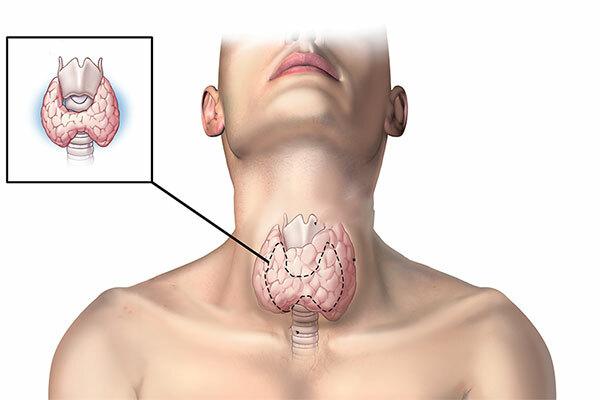
Cancer rarely appears without warning. While many early signs are subtle and easily overlooked, certain physical changes can signal that something abnormal is developing inside the body. The neck, in particular, contains critical anatomical structures — lymph nodes, the thyroid gland, salivary glands, muscles, blood vessels, and portions of the upper airway and digestive tract. Because of this concentration of vital tissues, the neck can sometimes reveal early clues of underlying disease.
It is important to clarify: neck changes do not automatically mean cancer. Many benign conditions can cause similar symptoms. However, persistent or unexplained changes deserve medical evaluation.
Below are three noticeable neck-related warning signs that may be associated with increased cancer risk, along with explanations of why they matter.
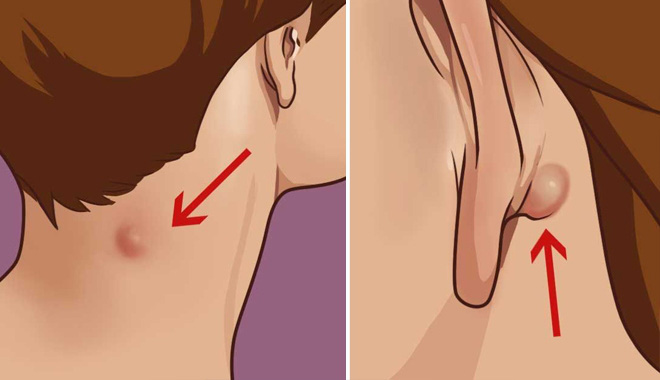
1. Persistent Swelling or Lumps in the Neck
One of the most significant warning signs is a painless lump that does not go away.
Why It Happens
The neck contains numerous lymph nodes. Lymph nodes are small immune system structures that filter harmful substances and help fight infection. When the body detects infection, lymph nodes often enlarge temporarily. However, if swelling:
-
Persists longer than two to three weeks
-
Continues growing
-
Feels hard or fixed in place
-
Is painless
it may require further investigation.
Certain cancers that may present with neck lymph node enlargement include:
-
Lymphoma
-
Thyroid cancer
-
Head and neck cancers (oral cavity, throat, larynx)
-
Metastatic cancers from other areas
Cancer-related lymph nodes often feel firm, rubbery, or immobile compared to softer, tender nodes caused by infection.
Why It Matters
Cancer cells can spread through the lymphatic system. The neck is a common drainage site for cancers of the mouth, throat, and thyroid. Detecting an abnormal lymph node early increases the chance of timely diagnosis and treatment.
2. Persistent Hoarseness or Voice Changes
Another noticeable change involves the voice.
If hoarseness lasts longer than two to three weeks — especially without a cold or infection — it may signal irritation or compression of the vocal cords or nearby nerves.
Why It Happens
The larynx (voice box) sits in the neck. Tumors affecting the larynx, thyroid gland, or surrounding tissues may:
-
Interfere with vocal cord movement
-
Compress the recurrent laryngeal nerve
-
Cause chronic inflammation
Persistent hoarseness is particularly concerning in individuals who:
-
Smoke
-
Consume heavy alcohol
-
Have a history of HPV infection
-
Are over 50 years old
Why It Matters
Voice changes are often dismissed as minor irritation. However, early-stage laryngeal cancer frequently presents with hoarseness as the first symptom. Early detection dramatically improves survival rates.
3. Difficulty Swallowing or Unexplained Neck Tightness
Difficulty swallowing (dysphagia) or a persistent sensation of something stuck in the throat can also be warning signs.

Why It Happens
The neck contains the esophagus and pharynx. Tumors in these areas may:
-
Narrow the swallowing pathway
-
Cause pain during swallowing
-
Create a sensation of pressure
-
Lead to choking episodes
Additionally, thyroid enlargement or nodules may press against the esophagus or trachea, causing:
-
Neck fullness
-
Breathing difficulty
-
Visible swelling
Why It Matters
Progressive swallowing difficulty should never be ignored. When symptoms worsen gradually, it suggests a structural issue rather than temporary irritation.
Early-stage throat and thyroid cancers often produce mild symptoms before advancing.
Additional Concerning Signs in the Neck Area
Although the three primary changes above are significant, other symptoms that warrant medical evaluation include:
-
Unexplained weight loss
-
Persistent neck pain without injury
-
Enlarged thyroid gland
-
Skin changes over a neck mass
-
Persistent ear pain without infection
-
Chronic sore throat
Symptoms that last more than two to three weeks should not be ignored.
Risk Factors That Increase Concern
Certain individuals are more vulnerable to cancers involving the neck area. Risk factors include:
-
Smoking or tobacco use
-
Heavy alcohol consumption
-
Human papillomavirus (HPV) infection
-
Family history of thyroid cancer
-
Radiation exposure to the head and neck
-
Advanced age
For those with multiple risk factors, early medical assessment of neck abnormalities is particularly important.
When to See a Doctor
Medical evaluation is recommended if:
-
A neck lump persists beyond three weeks
-
Hoarseness lasts longer than two weeks
-
Swallowing difficulty progressively worsens
-
A mass feels hard, fixed, or enlarging
-
Breathing becomes difficult
Diagnostic evaluation may include:
-
Physical examination
-
Ultrasound imaging
-
CT or MRI scans
-
Blood tests
-
Fine needle biopsy
These tests help determine whether the cause is benign (such as infection or cyst) or malignant.

The Importance of Early Detection
Early-stage cancers are often more treatable and associated with better outcomes. In many cases, neck-related cancers detected early have significantly higher survival rates compared to those diagnosed at advanced stages.
The key principle is persistence. Temporary symptoms are common. Persistent symptoms are different.
If a change remains beyond the expected healing period, it deserves attention.
A Balanced Perspective
It is crucial not to assume the worst. Most neck lumps are caused by infections, benign nodules, or inflammation. Hoarseness frequently results from viral illness or voice strain. Swallowing discomfort can stem from acid reflux.
However, vigilance without panic is the goal.
Awareness allows for timely action.
Final Thoughts
The neck is a sensitive anatomical region that can reflect internal health changes. Three noticeable warning signs — persistent lumps, prolonged hoarseness, and difficulty swallowing — may indicate an increased cancer risk, particularly in vulnerable individuals.
These symptoms do not confirm cancer, but they should not be ignored if they persist.
Paying attention to the body’s signals, especially when changes do not resolve naturally, is one of the most powerful tools in preventive health.
Early consultation, accurate diagnosis, and prompt treatment can make a life-saving difference.
Listening to subtle signs today may protect long-term health tomorrow.