Chayote Squash Benefits: 7 Proven Health Advantages


Chayote squash — also known as vegetable pear or mirliton — is a light green, pear-shaped vegetable widely used in Asian and Latin cuisines.
It looks simple.
It tastes mild.
But nutritionally? It’s surprisingly powerful.
Here are seven evidence-based health benefits of adding chayote to your diet.
1. Supports Heart Health
Chayote is low in saturated fat and sodium — two dietary factors linked to cardiovascular risk.
It contains:
-
Potassium
-
Fiber
-
Antioxidants
Potassium helps regulate blood pressure by balancing sodium levels.
Dietary fiber can help reduce LDL (“bad”) cholesterol.
Together, these contribute to improved vascular health.
2. Aids Blood Sugar Control


Chayote has:
-
Low calorie content
-
Low glycemic index
-
High water content
-
Moderate fiber
These features support stable blood glucose levels.
Fiber slows carbohydrate absorption, reducing post-meal spikes.
For individuals managing type 2 diabetes or insulin resistance, low-glycemic vegetables like chayote can be beneficial additions to balanced meals.
3. Promotes Digestive Health
Chayote contains soluble and insoluble fiber.
Benefits include:
-
Improved bowel regularity
-
Reduced constipation
-
Support for beneficial gut bacteria
-
Enhanced gut motility
Fiber also contributes to satiety, helping regulate appetite.
4. Provides Antioxidant Protection


Chayote contains vitamin C and flavonoids — compounds that help neutralize oxidative stress.
Oxidative stress contributes to:
-
Aging
-
Inflammation
-
Chronic disease development
While no single vegetable prevents disease, antioxidant-rich diets are associated with lower long-term risk of certain conditions.
5. Supports Weight Management
With:
-
Very low calorie density
-
High water content
-
Mild flavor adaptable to many dishes
Chayote adds volume to meals without significantly increasing energy intake.
This makes it useful for:
-
Calorie-conscious diets
-
Weight management plans
-
Balanced portion control
6. May Support Liver Health

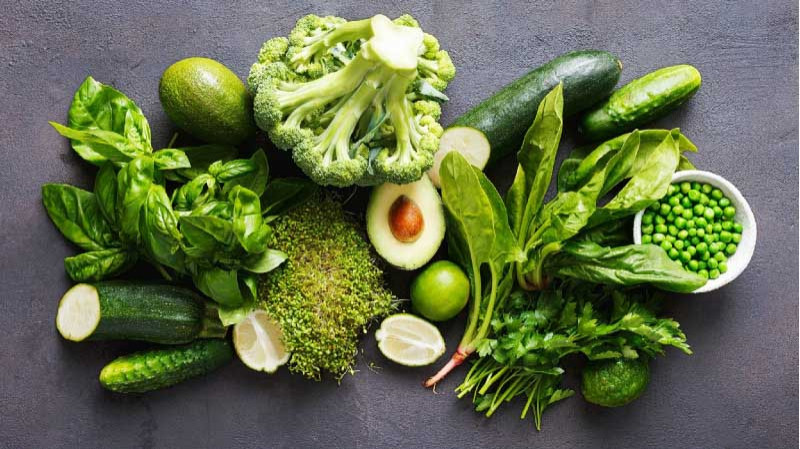
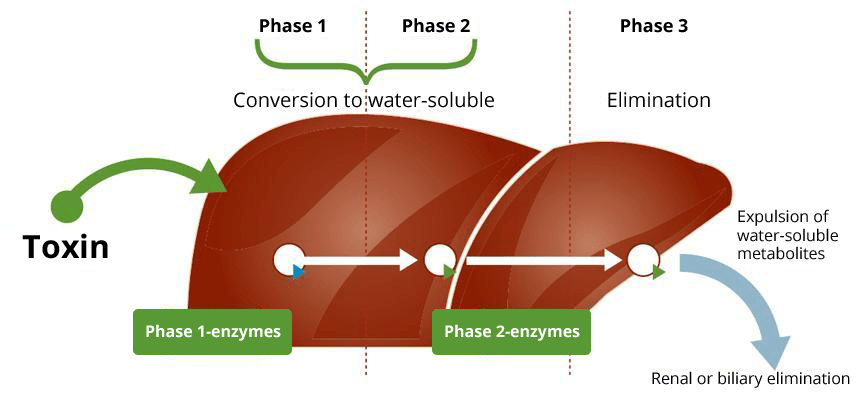
Some preliminary research suggests compounds in chayote may help:
-
Reduce fat accumulation in the liver
-
Support metabolic regulation
While human studies are still limited, vegetables rich in antioxidants and fiber are generally supportive of liver function as part of an overall healthy diet.
7. Contributes to Hydration and Electrolyte Balance
Chayote is composed largely of water.
It also provides small amounts of:
-
Magnesium
-
Potassium
-
Folate
These nutrients assist in:
-
Muscle function
-
Fluid balance
-
Cellular metabolism
Hydrating vegetables support overall physiological balance.
Nutritional Snapshot (Per 100g, Approximate)
-
Calories: ~19
-
Carbohydrates: ~4–5g
-
Fiber: ~1–2g
-
Fat: negligible
-
Vitamin C: moderate amount
-
Folate: present
-
Potassium: present
Exact values vary by preparation and source.
How to Use Chayote
✔ Stir-fried
✔ Steamed
✔ Added to soups
✔ Shredded in salads
✔ Lightly sautéed with garlic
✔ Incorporated into stews
Its mild flavor absorbs seasonings well.
Important Clarification
Chayote is nutritious — but it is not a miracle cure.
Health benefits occur when it is part of:
-
A balanced diet
-
Regular physical activity
-
Adequate sleep
-
Proper medical care
No single food replaces medical treatment.
Final Thought
Sometimes the most understated foods carry meaningful benefits.
Chayote is:
-
Low-calorie
-
Hydrating
-
Fiber-rich
-
Antioxidant-containing
It supports heart, metabolic, digestive, and overall health when integrated into a balanced dietary pattern.
Simple foods.
Consistent habits.
Long-term benefits.