Warning Signs of Heart Blockage That May Appear in Your Feet and Legs at Night

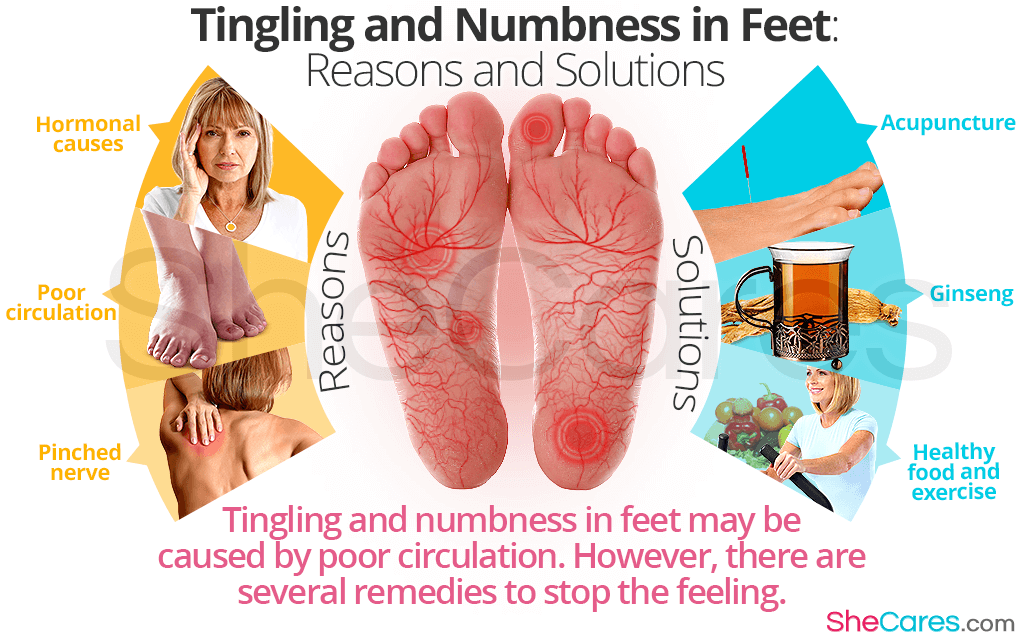

Most people think heart problems only show up as chest pain.
But the body doesn’t work in isolated parts.
When arteries narrow due to plaque buildup — a condition medically known as atherosclerosis — circulation to the lower limbs can also be affected. In many cases, the first subtle warning signs appear in the feet and legs, especially at night.
Let’s unpack what that really means.
How Heart Blockage Affects the Legs
Heart blockage usually refers to narrowed coronary arteries.
However, plaque buildup is a systemic vascular problem. If arteries in the heart are affected, arteries in the legs may also narrow — a condition called peripheral artery disease (PAD).
Reduced blood flow means:
-
Muscles receive less oxygen
-
Nerves become irritated
-
Tissue recovery slows
-
Pain signals increase
At night, symptoms can feel more intense because the body is at rest and circulation naturally shifts.
1. Leg Pain That Worsens When Lying Down

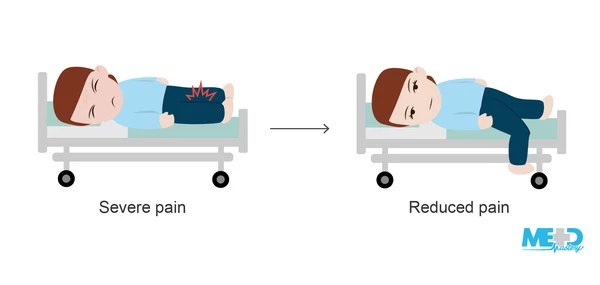

One key warning sign is rest pain.
This is different from muscle soreness after exercise.
PAD-related pain:
-
Often affects calves, feet, or toes
-
Feels burning or cramping
-
Improves when legs are lowered off the bed
-
Worsens when lying flat
Why?
When lying down, gravity no longer helps blood flow reach the feet. In narrowed arteries, circulation becomes insufficient, triggering pain.
If someone needs to dangle their legs off the bed for relief, that is a red flag.
2. Cold Feet — Even in Warm Rooms
Poor circulation can cause:
-
Persistent coldness in one or both feet
-
Temperature difference between limbs
-
Pale or bluish skin tone
Blood carries warmth. If arterial flow is reduced, extremities feel cold — especially at night when circulation slows further.
This symptom should not be dismissed as “just poor circulation” without evaluation, particularly in individuals over 50.
3. Numbness or Tingling

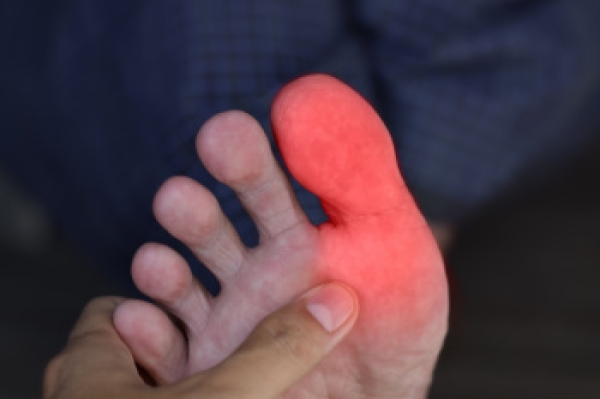

Reduced oxygen supply affects nerve function.
Symptoms may include:
-
Pins and needles sensation
-
Numb toes
-
Burning discomfort
-
Hypersensitivity
Although diabetes is a common cause of nighttime numbness, vascular narrowing can produce similar symptoms.
The key difference?
Circulatory-related numbness may be accompanied by:
-
Weak pulses in the feet
-
Slow wound healing
-
Skin color changes
4. Slow-Healing Sores on Feet or Toes
Healthy blood flow is essential for tissue repair.
Warning signs include:
-
Small cuts that don’t heal
-
Darkened skin patches
-
Ulcers on toes
-
Shiny or thinning skin
These may indicate advanced PAD.
If untreated, severe blockage can increase the risk of infection and even limb complications.
5. Leg Fatigue or Cramping When Walking
Though not limited to nighttime, intermittent claudication is a hallmark sign.
This is:
-
Calf pain during walking
-
Relief after resting
-
Repeated pattern with activity
It suggests arteries are unable to deliver adequate oxygen during increased demand.
If this pattern exists alongside nighttime symptoms, cardiovascular evaluation becomes essential.
Who Is at Higher Risk?
Higher risk groups include:
-
Individuals over 55
-
Smokers
-
People with diabetes
-
High blood pressure patients
-
High cholesterol levels
-
History of heart disease
-
Obesity
In these populations, nighttime leg symptoms should never be ignored.
Why Nighttime Matters
At night:
-
Heart rate slows
-
Blood pressure changes
-
Limb elevation reduces gravitational support
-
Circulation to extremities becomes more limited
If arteries are narrowed, these physiological changes can unmask symptoms.
That’s why many vascular issues become noticeable after dark.
Important Clarification
Not every leg cramp means heart blockage.
Common harmless causes include:
-
Dehydration
-
Electrolyte imbalance
-
Muscle fatigue
-
Magnesium deficiency
However, persistent, worsening, or asymmetrical symptoms deserve medical evaluation.
When to Seek Immediate Care
Emergency attention is required if there is:
-
Sudden severe leg pain
-
One leg cold and pale compared to the other
-
Loss of pulse in the foot
-
Chest pain combined with leg symptoms
-
Shortness of breath
These may signal acute arterial blockage or cardiovascular emergency.
How to Reduce Risk
Preventive strategies include:
✔ Stop smoking
✔ Control blood pressure
✔ Manage cholesterol
✔ Maintain healthy blood sugar
✔ Engage in regular walking exercise
✔ Eat a heart-healthy diet
✔ Schedule vascular screening if high-risk
Early detection significantly improves outcomes.
Final Thought
The heart and legs are connected through one continuous vascular system.
If circulation is compromised, the feet and legs may whisper warnings long before the chest screams.
Nighttime discomfort is not always random.
Pay attention to patterns.
The body often signals quietly before major events occur.
Awareness is protection.
And sometimes, your feet tell the story your heart hasn’t yet spoken aloud.