5 Nose-Related Warning Signs That May Point to Underlying Diseases



Your nose does more than help you breathe.
It filters air.
Humidifies oxygen.
Traps pathogens.
Supports your sense of smell.
Because it sits at the entrance of the respiratory system, nasal symptoms can sometimes signal deeper health issues — not just a “simple cold.”
Here are five nose-related warning signs that deserve closer attention.
1. Persistent Nasal Congestion on One Side
Occasional stuffiness is normal during colds or allergy season.
But long-term congestion affecting only one nostril may indicate:
-
Nasal polyps
-
Deviated septum
-
Chronic sinusitis
-
Structural blockage
-
Rarely, nasal tumors
Red flags include:
-
Symptoms lasting more than 3–4 weeks
-
Facial pressure on one side
-
Recurrent sinus infections
-
Reduced airflow despite medication
If congestion does not respond to antihistamines or decongestants, evaluation by an ENT specialist is appropriate.
2. Frequent or Unexplained Nosebleeds


Occasional nosebleeds may result from:
-
Dry air
-
Minor trauma
-
Seasonal irritation
However, recurrent nosebleeds can sometimes signal:
-
High blood pressure
-
Blood clotting disorders
-
Fragile blood vessels
-
Chronic inflammation
-
Medication side effects (e.g., blood thinners)
If bleeding is frequent, heavy, or difficult to stop, medical evaluation is recommended.
Especially concerning signs:
-
Bleeding lasting more than 20 minutes
-
Dizziness
-
Weakness
-
Bleeding combined with bruising elsewhere
3. Loss of Smell (Anosmia)



Temporary smell loss during a cold is common.
But persistent anosmia can indicate:
-
Chronic sinus inflammation
-
Nasal polyps
-
Viral damage to olfactory nerves
-
Neurological disorders
-
Post-infectious complications
In some cases, long-term smell loss may be linked to neurodegenerative conditions.
If smell does not return after infection clears, further assessment may be needed.
4. Thick, Foul-Smelling Nasal Discharge
Normal mucus is clear.
Warning signs include:
-
Yellow or green discharge lasting over 10 days
-
Strong unpleasant odor
-
Facial pain or pressure
-
Fever
These may suggest:
-
Bacterial sinus infection
-
Chronic sinusitis
-
Foreign body obstruction (especially in children)
When symptoms persist or worsen after initial improvement, bacterial infection becomes more likely.
5. Persistent Facial Pressure or Pain Around the Nose

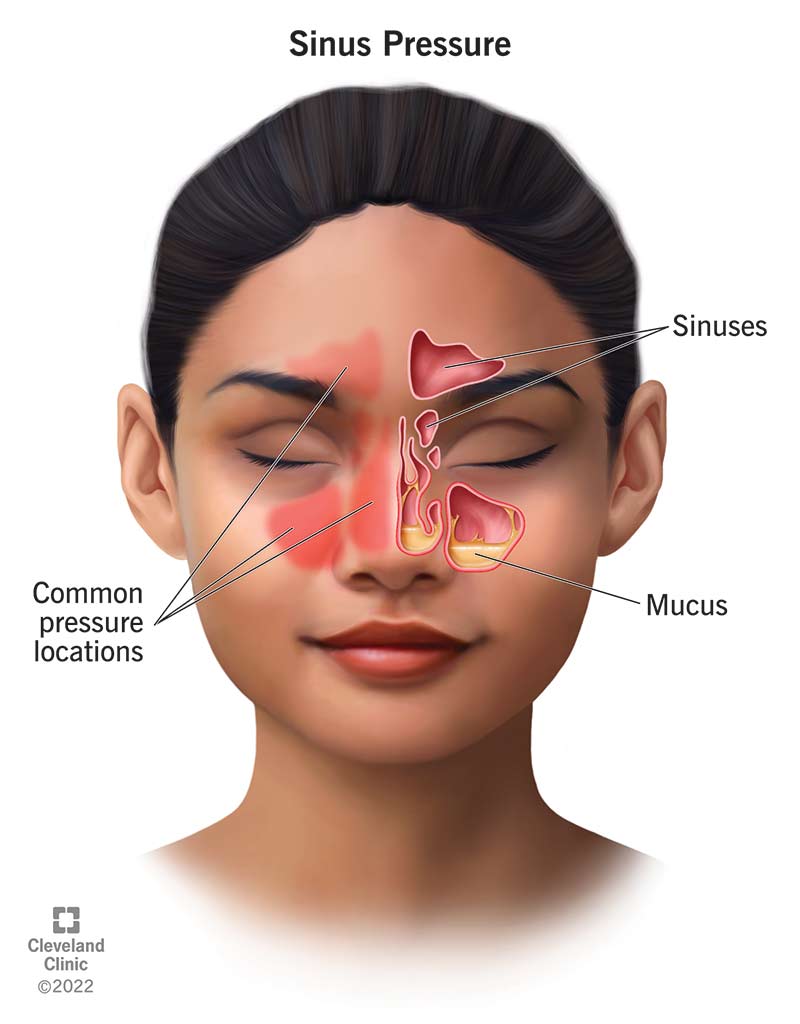

Sinuses are air-filled cavities around the nose.
Inflammation may cause:
-
Pressure under the eyes
-
Pain in the forehead
-
Tooth discomfort
-
Headache that worsens when bending forward
Chronic sinusitis is diagnosed when symptoms last more than 12 weeks.
Untreated, it may affect sleep, concentration, and quality of life.
When to Seek Urgent Care
Immediate medical attention is necessary if nasal symptoms occur with:
-
High fever
-
Severe headache
-
Vision changes
-
Swelling around the eyes
-
Stiff neck
-
Confusion
Though rare, sinus infections can occasionally spread to surrounding structures.
Common Causes vs. Serious Conditions
Most nasal symptoms are caused by:
✔ Allergies
✔ Viral infections
✔ Environmental irritants
✔ Weather changes
Serious conditions are less common — but persistent, worsening, or one-sided symptoms should not be ignored.
Patterns matter more than isolated events.
How to Protect Nasal Health
✔ Maintain indoor humidity
✔ Avoid smoking
✔ Treat allergies early
✔ Use saline nasal rinses
✔ Stay hydrated
✔ Manage blood pressure
Preventive care reduces inflammation and infection risk.
Final Thought
The nose is not just a breathing passage.
It reflects immune function, vascular health, and sometimes neurological status.
Most symptoms are temporary.
But when signals persist, intensify, or feel unusual, they deserve attention.
Your body rarely whispers without reason.
Listening early prevents bigger problems later.