Using a Water Heater? Read This — Hidden Dangers You Should Never Ignore
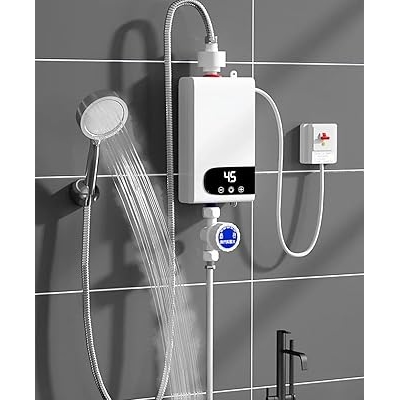
Water heaters are common household appliances.
We turn them on daily without thinking twice.
But when improperly installed, poorly ventilated, or neglected, they can become dangerous — sometimes within minutes.
Many near-miss incidents involving water heaters are linked to:
-
Gas leaks
-
Carbon monoxide buildup
-
Electrical faults
-
Overheating or fire hazards
Understanding the risks is not about fear. It is about prevention.
1. Carbon Monoxide Poisoning (The Silent Risk)
Gas-powered water heaters produce carbon monoxide (CO) when fuel does not burn completely.
Carbon monoxide is:
-
Colorless
-
Odorless
-
Invisible
Symptoms may include:
-
Headache
-
Dizziness
-
Nausea
-
Weakness
-
Confusion
-
Shortness of breath
In high concentrations, CO can cause unconsciousness within minutes.
Bathrooms with poor ventilation are especially risky if gas heaters are installed indoors without proper exhaust systems.
Prevention tips:
✔ Ensure proper ventilation
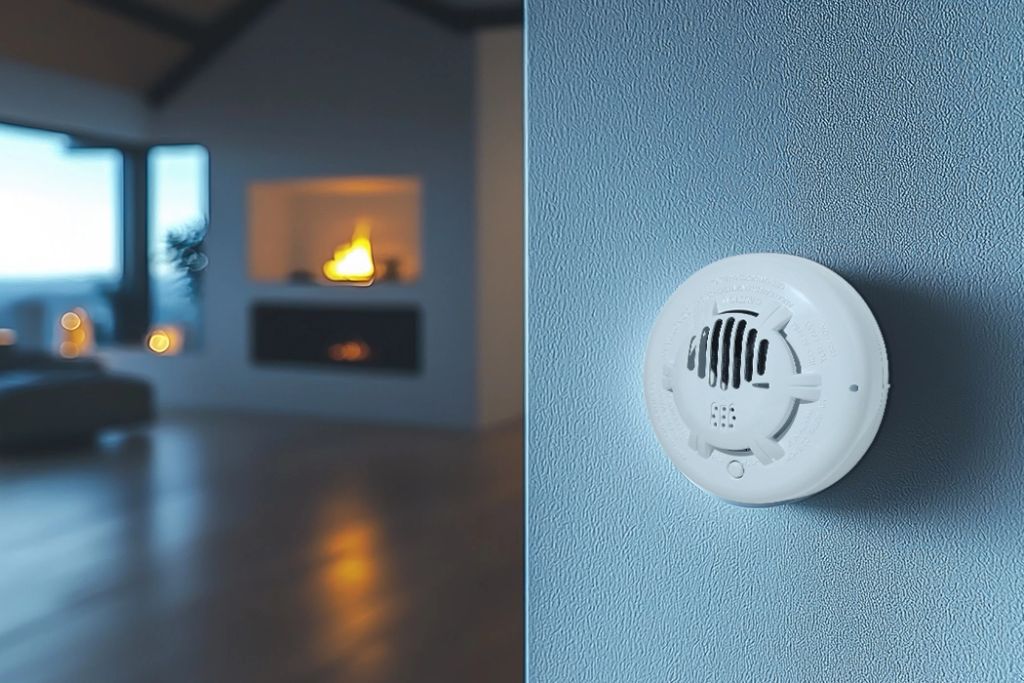
✔ Install a carbon monoxide detector
✔ Never operate gas heaters in sealed spaces
✔ Schedule regular maintenance
2. Gas Leaks
Gas leaks can occur due to:
-
Loose connections
-
Aging pipes
-
Corrosion
-
Poor installation
Warning signs:
-
Smell of gas (rotten egg odor)
-
Hissing sounds
-
Visible damage to connections
If a gas smell is detected:
-
Do not turn on electrical switches
-
Open windows immediately
-
Leave the area
-
Contact emergency services
3. Electrical Shock Risk

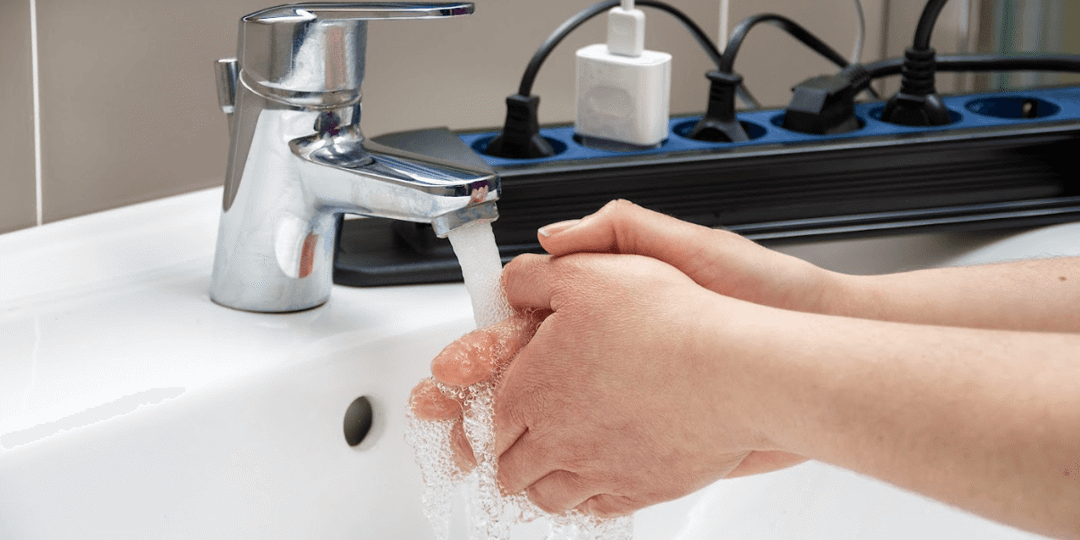

Electric water heaters carry shock risk if:
-
Grounding is improper
-
Wiring is exposed
-
Water contacts electrical components
-
Installation lacks residual current devices (RCD/GFCI)
Bathrooms are high-moisture environments, increasing electrical danger.
Protective measures:
✔ Install proper grounding
✔ Use GFCI outlets
✔ Avoid touching switches with wet hands
✔ Have certified technicians perform installation
4. Overheating and Fire Hazard
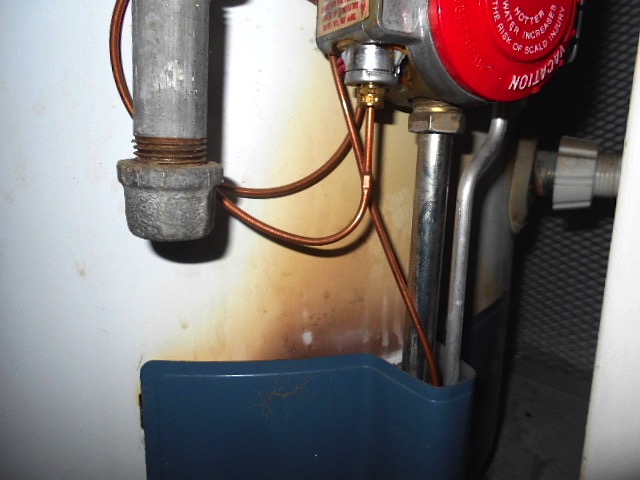
Faulty thermostats or pressure valves can cause:
-
Excess heat buildup
-
Water pressure spikes
-
Component failure
Burn marks or unusual heat on the heater surface are warning signs.
Pressure relief valves must be functional to prevent internal pressure explosions.
Routine inspection significantly reduces fire risk.
5. Poor Ventilation in Bathrooms
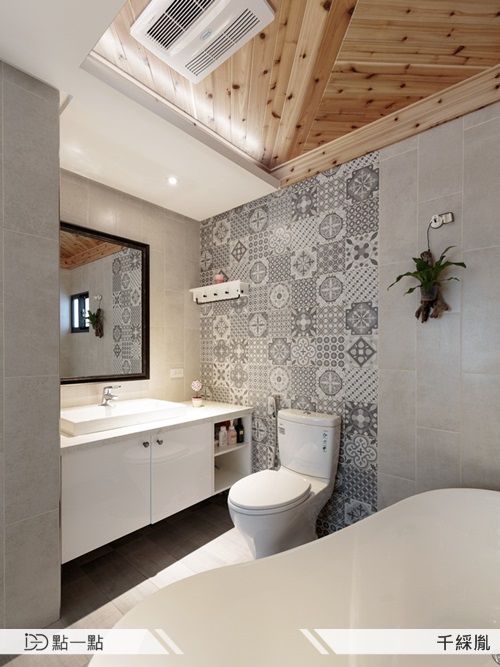


Small, enclosed bathrooms can trap combustion gases.
Without:
-
Exhaust fans
-
Vent pipes
-
Windows
Dangerous gas concentrations can accumulate quickly.
If the heater flame appears yellow instead of blue, incomplete combustion may be occurring — increasing CO production.
High-Risk Situations
Greater caution is needed if:
-
Heater is old
-
Maintenance has not been performed in years
-
Installation was DIY without professional inspection
-
Bathroom is small and sealed
-
There is visible rust or corrosion
Regular servicing reduces nearly all preventable risks.
Essential Safety Checklist
✔ Install carbon monoxide detectors
✔ Ensure adequate airflow
✔ Schedule annual professional maintenance
✔ Check flame color (blue is ideal for gas heaters)
✔ Inspect wiring and grounding
✔ Avoid covering or enclosing heaters tightly
✔ Replace outdated units
Important Clarification
Not every water heater is dangerous.
Modern units, when correctly installed and maintained, are generally safe.
The danger arises from:
-
Neglect
-
Poor ventilation
-
Improper installation
-
Lack of monitoring
Prevention is practical and achievable.
When to Seek Immediate Help
Call emergency services if someone experiences:
-
Sudden dizziness in the bathroom
-
Fainting
-
Severe headache while showering
-
Nausea combined with heater operation
-
Smell of gas
Do not re-enter enclosed spaces without ventilation.
Final Thought
Appliances we use daily often feel harmless.
But enclosed spaces, gas combustion, electricity, and water create a combination that requires respect.
Routine inspection and simple preventive measures can mean the difference between safety and emergency.
Awareness is protection.
Take a moment to check your setup — before a warning becomes a crisis.