Hearing Strange Sounds in Your Ear — What’s Really Going On?


A ringing.
A buzzing.
A whooshing.
A clicking sound that no one else can hear.
If you’ve ever experienced unexplained noises in your ear, you’re not alone.
This phenomenon is most commonly known as tinnitus — the perception of sound without an external source. It can be temporary, occasional, or chronic.
But what actually causes it?
Let’s break it down clearly.
What Is Tinnitus?
Tinnitus is not a disease itself.
It’s a symptom — a signal that something in the auditory system may be irritated, damaged, or overstimulated.
The sound may be:
-
Ringing
-
Humming
-
Buzzing
-
Whistling
-
Pulsing
-
Clicking
It can affect one ear or both.
It may come and go — or persist constantly.
1. Noise-Induced Hearing Damage
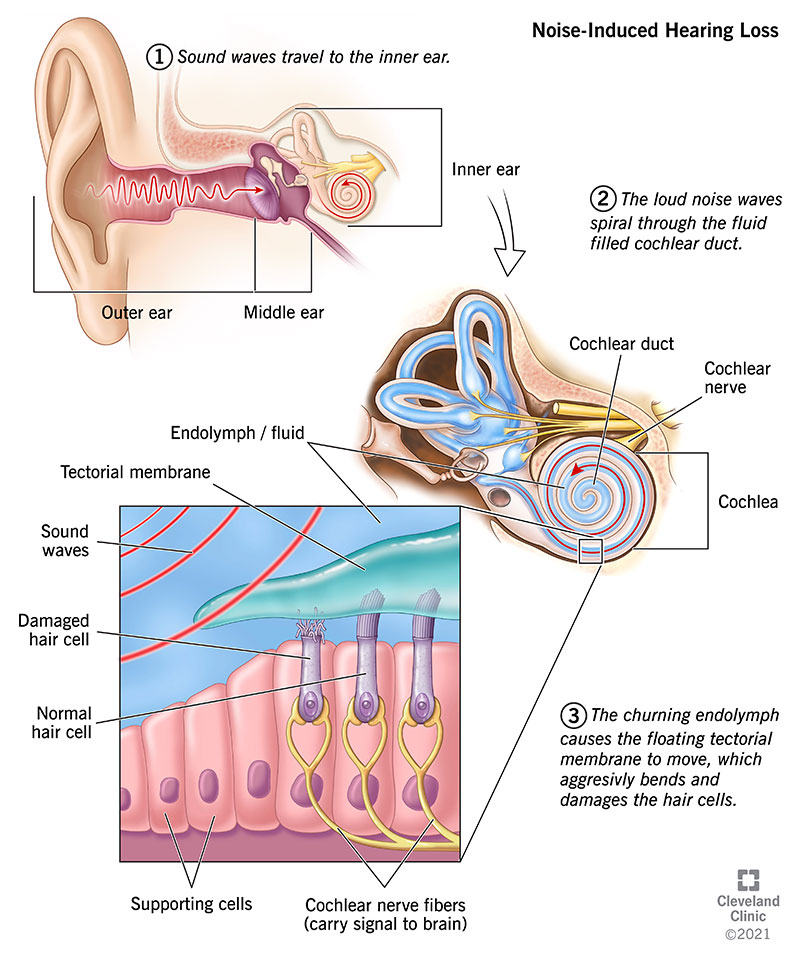


One of the most common causes is exposure to loud noise.
Examples include:
-
Concerts
-
Construction sites
-
Fireworks
-
High-volume headphones
Inside your inner ear are delicate hair cells. These cells convert sound vibrations into nerve signals for the brain.
When exposed to excessive noise, these cells can become damaged.
Damaged hair cells may send irregular signals to the brain — interpreted as sound, even when no sound exists.
2. Earwax Blockage
Sometimes the cause is simple.
Excess earwax can:
-
Block sound waves
-
Put pressure on the eardrum
-
Alter how sound is processed
This can create temporary ringing or fullness.
Important: Avoid inserting objects into the ear canal. Improper cleaning can worsen impaction.
3. Stress and Anxiety



Stress does not just affect mood.
It heightens nervous system sensitivity.
When cortisol and adrenaline rise, the brain becomes more alert — sometimes amplifying internal sounds that would otherwise go unnoticed.
Many people report tinnitus worsening during periods of:
-
Emotional pressure
-
Lack of sleep
-
High anxiety
Stress does not create tinnitus from nothing, but it can intensify perception.
4. Blood Flow Changes (Pulsatile Tinnitus)
If the sound matches your heartbeat — like a rhythmic whooshing — it may be pulsatile tinnitus.
Possible causes include:
-
High blood pressure
-
Narrowed blood vessels
-
Increased blood flow
-
Rare vascular abnormalities
Because this type can sometimes relate to circulation, medical evaluation is important — especially if it begins suddenly.
5. Inner Ear Disorders


Conditions such as Ménière’s disease may include:
-
Tinnitus
-
Vertigo
-
Ear fullness
-
Fluctuating hearing loss
These involve fluid imbalance in the inner ear.
If strange sounds are accompanied by dizziness or balance problems, further evaluation is necessary.
6. Medication Side Effects
Some medications may trigger or worsen tinnitus, including:
-
High-dose aspirin
-
Certain antibiotics
-
Some chemotherapy drugs
-
Loop diuretics
If symptoms begin after starting a new medication, consult a healthcare provider before stopping it.
When Should You See a Doctor?
Seek medical attention if tinnitus is:
-
Sudden and severe
-
Accompanied by hearing loss
-
Linked to dizziness
-
Pulsating with your heartbeat
-
Occurring in only one ear
-
Associated with neurological symptoms
Most cases are not life-threatening — but new or worsening symptoms deserve evaluation.
Can Tinnitus Be Treated?
Treatment depends on the cause.
Possible approaches include:
✔ Treating earwax impaction
✔ Managing blood pressure
✔ Addressing hearing loss with devices
✔ Sound therapy
✔ Cognitive behavioral therapy
✔ Stress reduction techniques
In many cases, reducing background silence (white noise, fans, soft music) helps decrease perception.
Why the Brain Plays a Role
Tinnitus is not just an ear issue.
It involves how the brain processes sound.
When normal auditory signals decrease (due to hearing loss), the brain may “turn up the volume,” creating phantom sounds.
This is similar to phantom limb sensations — the brain filling in missing input.
Final Thought
Strange sounds in your ear can feel alarming.
But most causes are manageable.
The key is identifying patterns:
-
Is it constant or occasional?
-
Does it worsen with stress?
-
Is it rhythmic?
-
Is hearing affected?
The body rarely sends signals without reason.
Pay attention.
Seek evaluation when needed.
And remember — hearing something no one else hears does not mean you are imagining it.
It means your auditory system is trying to communicate.