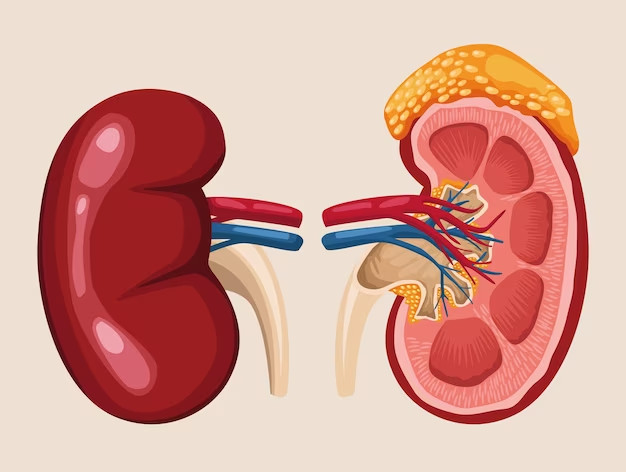
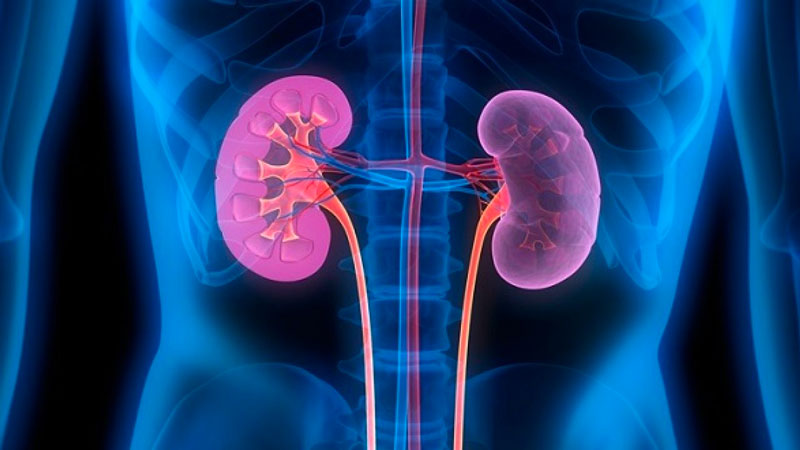
The kidneys are two bean-shaped organs located on either side of the spine, just below the rib cage. Though relatively small, they perform essential functions that keep the body in balance. Each day, the kidneys filter waste products and excess fluids from the bloodstream, regulate electrolyte levels, maintain blood pressure, and help produce hormones that influence red blood cell production and bone health.
When kidney function begins to decline, symptoms may be subtle at first. Because the body can compensate for reduced kidney performance in the early stages, many people do not realize there is a problem until the condition has progressed. Recognizing early warning signs and seeking timely medical care can significantly improve outcomes.
Below are five important signs that your kidneys may not be functioning properly.

1. Persistent Swelling in the Legs, Ankles, or Face
One of the primary roles of the kidneys is to regulate fluid balance. When they are unable to remove excess fluid effectively, it can accumulate in the tissues.
Common signs include:
-
Swelling in the ankles or feet
-
Puffiness around the eyes
-
Tightness in shoes or rings
-
Facial swelling, especially in the morning
This swelling, known as edema, occurs because the kidneys are not filtering excess sodium and fluids efficiently. While mild swelling can have various causes, persistent or worsening edema warrants medical evaluation.
2. Changes in Urination Patterns
Because kidneys are directly responsible for urine production, changes in urination often signal dysfunction.
You may notice:
-
Urinating more frequently, especially at night
-
Decreased urine output
-
Foamy or bubbly urine
-
Dark, cloudy, or bloody urine
-
Pain or burning during urination
Foamy urine can indicate excess protein in the urine, a condition known as proteinuria, which is often an early marker of kidney damage.
Any significant or persistent change in urinary habits should be evaluated by a healthcare professional.
3. Ongoing Fatigue and Weakness
Healthy kidneys produce a hormone called erythropoietin, which stimulates the production of red blood cells. When kidney function declines, red blood cell production may decrease, leading to anemia.
Symptoms of kidney-related anemia include:
-
Constant fatigue
-
Weakness
-
Shortness of breath
-
Difficulty concentrating
Because fatigue can result from many conditions, it is often overlooked. However, when combined with other symptoms, it may indicate reduced kidney performance.
4. Persistent Lower Back or Flank Pain
Kidney discomfort is typically felt in the lower back or sides, just below the rib cage. This pain may be dull and persistent rather than sharp.
Possible causes include:
-
Kidney infections
-
Kidney stones
-
Structural abnormalities
-
Advanced kidney disease
While muscle strain is common, pain that does not improve with rest or is accompanied by fever, nausea, or urinary changes requires prompt medical attention.

5. High Blood Pressure That Is Difficult to Control
The kidneys play a major role in regulating blood pressure by controlling fluid levels and releasing hormones that influence blood vessel function.
When kidney function declines:
-
Blood pressure may rise
-
Hypertension may become difficult to manage
-
Existing hypertension may worsen
High blood pressure and kidney disease are closely linked. Poorly controlled hypertension can both result from and contribute to kidney damage.
Regular blood pressure monitoring is crucial, especially for individuals with risk factors such as diabetes or a family history of kidney disease.
Why Early Detection Matters
Kidney disease often progresses silently. In early stages, damage may be reversible or manageable with lifestyle changes and medical treatment. However, untreated kidney dysfunction can lead to:
-
Chronic kidney disease (CKD)
-
Electrolyte imbalances
-
Cardiovascular complications
-
Kidney failure
Early intervention allows for better management and may prevent progression.
Who Is at Higher Risk?
Certain individuals are at increased risk for kidney problems, including those with:
-
Diabetes
-
High blood pressure
-
Obesity
-
A family history of kidney disease
-
Long-term use of certain medications
-
Cardiovascular disease
If you fall into one of these categories, routine kidney function tests are especially important.
When to Seek Immediate Medical Care
Seek prompt medical attention if you experience:
-
Blood in your urine
-
Severe swelling
-
Sudden shortness of breath
-
Chest pain
-
High fever with back pain
-
Very low urine output
These may signal urgent complications.
Supporting Kidney Health
While medical care is essential when symptoms appear, maintaining kidney health involves proactive steps:
-
Stay well hydrated
-
Maintain a balanced diet
-
Limit excessive salt intake
-
Monitor blood pressure and blood sugar
-
Avoid unnecessary overuse of pain medications
-
Exercise regularly
Preventive care plays a critical role in long-term kidney protection.

Final Thoughts
Your kidneys work continuously to filter waste, balance fluids, and support vital bodily functions. When they begin to struggle, the body often provides warning signals — swelling, urinary changes, fatigue, back pain, or uncontrolled blood pressure.
Because kidney disease can progress quietly, recognizing these signs early and seeking medical evaluation promptly is essential. Timely diagnosis and treatment can preserve kidney function and protect overall health.
Pay attention to what your body is telling you — early action can make a significant difference.