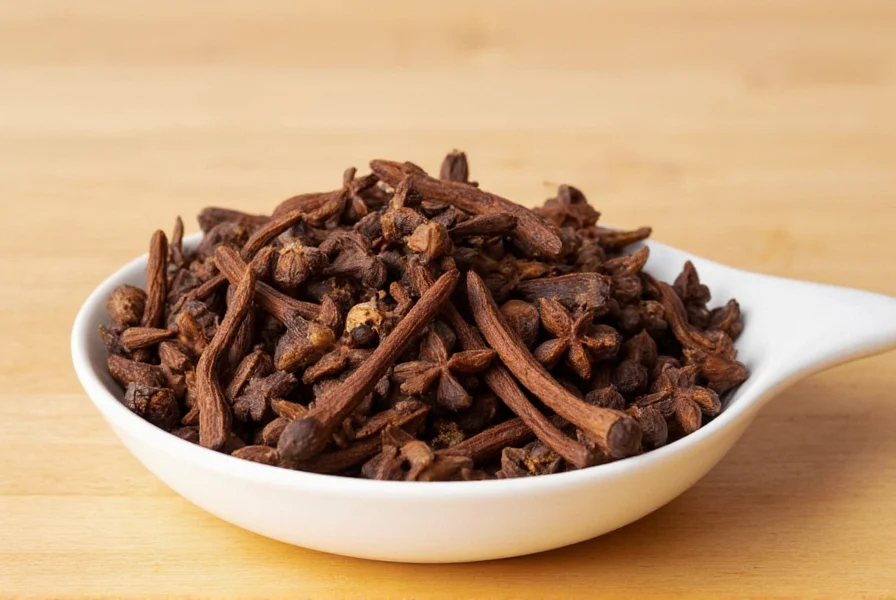
Cloves may be small, but they are among the most powerful and aromatic spices used in traditional cooking and herbal practices. Derived from the dried flower buds of the Syzygium aromaticum tree, cloves have been valued for centuries in Asian, Middle Eastern, and African cultures. Beyond their warm, slightly sweet flavor, cloves contain bioactive compounds that have attracted attention in both traditional medicine and modern research.
Below are seven important insights about cloves that highlight their potential benefits and practical uses — along with important precautions.
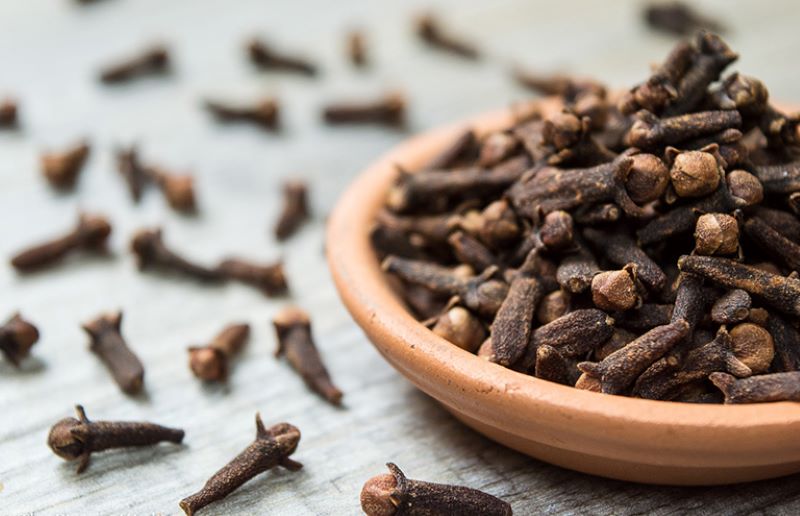
1. Cloves Are Rich in Antioxidants
Cloves are particularly high in antioxidants, especially a compound called eugenol. Antioxidants help protect the body from oxidative stress caused by free radicals.
Oxidative stress is linked to aging and many chronic health conditions. While cloves are not a cure, incorporating small amounts into your diet may help support cellular protection.
Compared to many other spices, cloves rank among the highest in antioxidant capacity.
2. They May Support Oral Health
Clove oil has long been used in dentistry due to its natural numbing and antimicrobial properties. Eugenol can help:
-
Temporarily relieve tooth discomfort
-
Reduce oral bacteria
-
Support gum health
Many natural toothpastes and mouthwashes contain clove extract. However, concentrated clove oil should be used cautiously and never swallowed undiluted.
For persistent dental pain, professional care is essential.
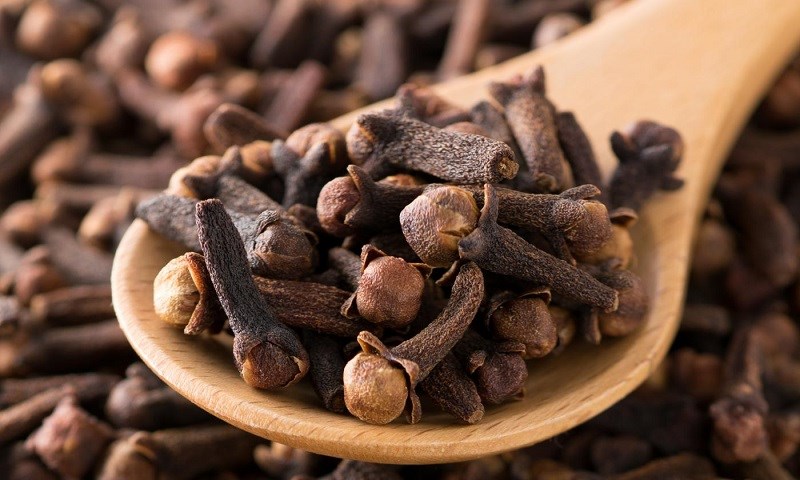
3. Cloves Have Natural Antimicrobial Properties
Research suggests that cloves contain compounds capable of inhibiting certain bacteria and fungi. This is one reason cloves have historically been used in food preservation and herbal remedies.
While laboratory studies show antimicrobial potential, cloves should not replace prescribed medications when treating infections.
They may, however, complement overall hygiene practices.
4. Potential Digestive Support
Cloves have traditionally been used to aid digestion. They may help stimulate digestive enzymes and reduce bloating.
Some people use clove tea to:
-
Ease mild indigestion
-
Reduce gas
-
Promote stomach comfort
However, individuals with acid reflux or sensitive stomachs should use cloves in moderation, as strong spices can sometimes worsen irritation.
5. Possible Blood Sugar Regulation Support
Preliminary studies suggest that certain compounds in cloves may help support insulin function and glucose metabolism.
While this does not mean cloves treat diabetes, moderate use as part of a balanced diet may contribute to metabolic health.
Anyone managing blood sugar conditions should consult a healthcare professional before using clove supplements.
6. Cloves Contain Important Nutrients
Despite being used in small quantities, cloves provide trace amounts of:
-
Manganese
-
Vitamin K
-
Fiber
Manganese plays a role in bone health and metabolism. Although the amounts are small due to typical serving sizes, they contribute to overall nutrient intake.
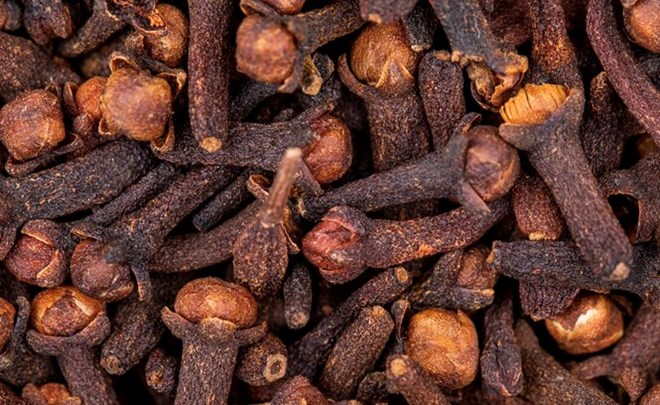
7. Clove Oil Requires Careful Use
Clove oil is highly concentrated. While beneficial in small, diluted amounts, excessive use may cause:
-
Skin irritation
-
Mouth irritation
-
Liver strain in very high doses
Children, pregnant individuals, and people with bleeding disorders should avoid high doses without medical advice.
Always dilute clove oil before topical use and avoid internal consumption unless guided by a healthcare professional.
How to Incorporate Cloves Safely
Cloves can be used in:
-
Herbal teas
-
Soups and stews
-
Rice dishes
-
Baked goods
-
Spice blends
Ground cloves are potent, so small amounts are sufficient. Whole cloves can be removed after cooking.
Moderation is key. A pinch adds flavor and potential benefits without overwhelming the dish.
Final Thoughts
Cloves are more than just a fragrant spice — they contain powerful plant compounds that may support oral health, digestion, antioxidant defense, and metabolic balance. However, they should be used responsibly and in appropriate amounts.
As with most natural ingredients, cloves are best viewed as part of a balanced diet rather than a standalone remedy. When used wisely, this small spice offers both culinary richness and potential wellness support.
Sometimes, the smallest ingredients carry the most surprising impact.