What Causes Pain on the Right Side of Your Body: Common Triggers and Practical Insights
Pain on the right side of the body can occur for many different reasons. While some causes are minor and temporary, others may signal a more serious health issue, especially if the pain is severe, persistent, or accompanied by additional symptoms.
Understanding the possible causes of right-side pain can help you decide whether home care might be enough or whether you should seek medical evaluation.
Here are some common triggers and what they may indicate.
Musculoskeletal Issues
One of the most frequent causes of pain on the right side is a problem with muscles, bones, or joints. This type of pain is often linked to:
-
Muscle strain or overuse, often from exercise or heavy physical activity
-
Injury or trauma, such as a fall or impact
-
Poor posture, which can strain the side muscles and lower back
-
Rib or chest muscle strain from twisting or lifting
This pain is usually localized, sore to touch, and may improve with rest, stretching, or gentle movement.
Digestive System Causes
Right-side abdominal pain is commonly related to the digestive system. Issues in this area may include:
Gallbladder Problems
Conditions like gallstones or inflammation of the gallbladder can cause sharp, cramping pain in the upper right abdomen. This pain may worsen after eating fatty foods.
Liver Issues
The liver is located on the right side under the ribs. Inflammation, infection, or liver disease can cause discomfort or dull pain in this area.
Appendicitis
Although early appendicitis pain may start around the belly button, it often moves to the lower right side. It tends to worsen over time and is usually accompanied by nausea, fever, and loss of appetite.
Reproductive System Causes (in Females)
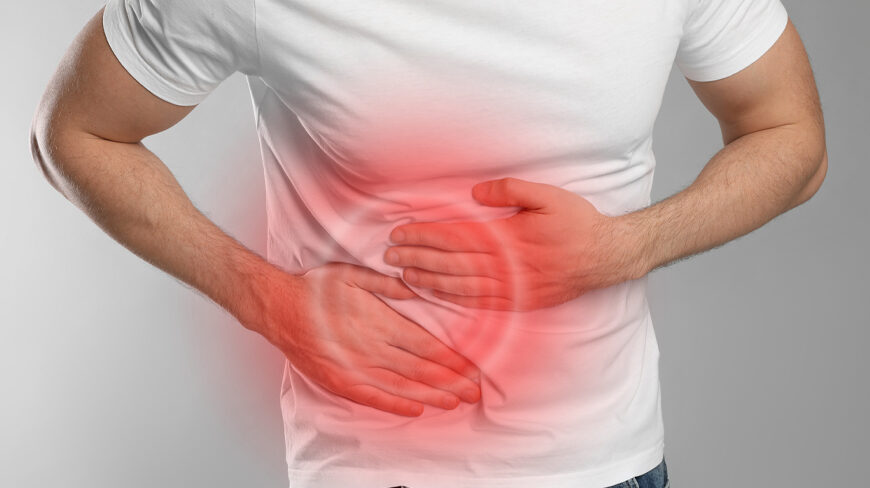
In women, pain on the right lower abdomen may sometimes be linked to reproductive organs. Possible causes include:
-
Ovarian cysts, which can stretch or press on nearby tissues
-
Ectopic pregnancy, where a fertilized egg implants outside the uterus
-
Pelvic inflammatory disease, an infection of the reproductive organs
These conditions often appear with additional symptoms such as irregular menstrual bleeding, nausea, or pain during intercourse.
Urinary Tract Issues
Pain on the right side near the lower abdomen or back may be related to the urinary system.
Kidney Stones
Small mineral deposits can form in the kidneys and cause severe, sudden pain that may spread to the lower abdomen or groin.
Urinary Tract Infection
An infection in the urinary system can cause pain or a burning sensation during urination, frequent urges to urinate, or cloudy and foul-smelling urine.
Nerve-Related Pain
Sometimes pain on the right side may originate from nerve irritation or compression. Causes can include:
-
Shingles, a viral infection that can cause painful skin rashes and nerve pain
-
Sciatica, if a nerve in the lower back becomes irritated, it can cause pain that radiates down one side of the body
Nerve pain often presents with tingling, numbness, or sharp, shooting pain.

Other Possible Causes
There are less common but still important causes of right-side pain, including:
-
Inflammatory bowel disease, such as Crohn’s disease
-
Hernias, where tissue pushes through a weak muscle area
-
Infections or inflammation of internal organs
Because these conditions can be serious, persistent or worsening pain should be evaluated by a doctor.
When to See a Doctor
Right-side pain is not always serious, but medical evaluation is recommended if:
-
Pain is sudden and severe
-
Pain worsens over time
-
It is accompanied by fever, vomiting, jaundice, or blood in the stool or urine
-
You have difficulty breathing, walking, or performing daily activities
Prompt medical assessment can help identify the underlying cause and provide appropriate treatment.
Practical Tips for Relief at Home
If your pain is mild and you suspect it is related to muscle strain, these measures may help:
-
Rest and avoid strenuous activity
-
Apply heat or cold packs
-
Take over-the-counter pain relievers as directed
-
Practice gentle stretching
If self-care does not improve symptoms within a day or two, consult a healthcare provider.
Final Thought
Right-side body pain can come from many sources — ranging from simple muscle strain to digestive, urinary, or reproductive system issues. Understanding the context of your symptoms can help you determine whether it’s a minor irritation or a sign that requires professional attention.
Always listen to your body, and don’t hesitate to seek medical help when needed.