However, if foamy urine occurs frequently or persists over time, it may indicate an underlying health issue. Persistent foam can sometimes be caused by excess protein in the urine, dehydration, high stress levels, diabetes, or cardiovascular conditions. While most cases are temporary and resolve on their own, ongoing foamy urine—especially when you are well hydrated—should be evaluated by a healthcare professional.
In this article, we will explore both common and medical reasons for foamy urine, explain why urine may bubble, and outline when it is important to seek medical advice.
Common Reasons for Foamy Urine That Are Usually Harmless
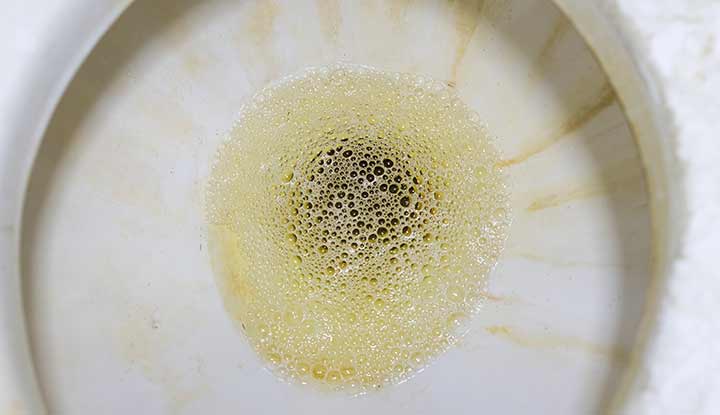
Let’s begin with common, non-serious causes of foamy urine. In these situations, the foam typically appears only occasionally and clears up quickly without treatment.
Rapid Urination

One of the most frequent reasons urine looks foamy is the speed at which it is released. When your bladder is very full, urine exits the body with more force and creates bubbles upon hitting the toilet water.
According to Dr. Erik Castle of the Mayo Clinic, faster urination can significantly affect the appearance of urine and cause temporary foam. This is a normal physical reaction and does not indicate a health problem.
Chemical Residue in the Toilet

Foamy urine may also result from a chemical reaction between urine and cleaning agents left in the toilet bowl.
Urine contains substances such as urea, salts, nitrogen, and hydrogen. Research published in Critical Reviews in Environmental Science and Technology shows that the concentration of these chemicals varies depending on diet and hydration levels. When urine interacts with residual cleaning products, a foamy appearance may occur.
Dehydration and Concentrated Urine
Dehydration is another common cause of bubbly or foamy urine. When you do not drink enough fluids, urine becomes more concentrated, increasing the likelihood of foam.
The journal American Family Physician reports that dehydration can cause foamy urine due to the higher concentration of waste products. Dehydration may result from inadequate fluid intake, excessive sweating, illness, or intense physical activity.
Urine color is a helpful indicator of hydration status. Healthy urine should be pale yellow and nearly odorless. Dark yellow urine or urine with a strong ammonia smell often signals dehydration. Increasing your water intake usually resolves foamy urine caused by dehydration.
Stress and Foamy Urine
Emotional and psychological stress can also contribute to foamy urine. Chronic stress may disrupt hormonal balance and temporarily affect kidney function, increasing protein excretion in urine.
A study published in the Indian Journal of Medical Research found that prolonged mental stress and anxiety can raise levels of albumin (a type of protein) in urine. Conditions such as anxiety, depression, and chronic stress may therefore lead to transient foamy urine.
Stress is also linked to other health problems, including weakened immunity, digestive issues, and increased cardiovascular risk. Managing stress through relaxation techniques, adequate sleep, exercise, or natural remedies may help restore normal urine appearance.
Foamy Urine During Pregnancy
Pregnant women may notice foamy urine more often due to hormonal changes, increased fluid demands, dehydration, or stress.
However, persistent foamy urine during pregnancy may signal preeclampsia—a serious condition characterized by high blood pressure and excess protein in the urine. According to a study in The BMJ, foamy urine can be an early warning sign of preeclampsia, which may also cause swelling in the face and hands.
Doctors typically screen for this condition during prenatal visits. The Mayo Clinic advises pregnant women to seek urgent medical care if they experience severe headaches, abdominal pain, vision changes, or shortness of breath.
Medical Conditions That Can Cause Persistent Foamy Urine
If foamy urine occurs frequently or consistently, it may be associated with an underlying health condition. A simple urine test can help identify the cause.
Excess Protein in Urine (Proteinuria)
Foamy urine is commonly linked to proteinuria, a condition where abnormal amounts of protein leak into the urine due to impaired kidney function.
Kidney Research UK reports that frothy urine may be an early sign of kidney disease. Additional symptoms can include swelling in the hands, feet, or face, fatigue, metallic taste in the mouth, and persistent itching.
Maintaining kidney health involves staying hydrated, eating a balanced diet, exercising regularly, and getting sufficient sleep.
Diabetes and Kidney Damage
Diabetes can gradually damage the kidneys, leading to protein leakage into the urine and persistent foam.
According to Dr. Colin Tidy from Patient.info, uncontrolled blood sugar levels can scar kidney tissue over time, resulting in diabetic kidney disease. Other contributing factors include obesity and high blood pressure.
Early diabetes detection, weight management, physical activity, and a healthy diet are essential for protecting kidney function.
Urinary Tract Infections (UTIs)
Foamy urine accompanied by burning during urination, foul odor, or dark-colored urine may indicate a urinary tract infection.
UTIs occur when bacteria infect the urinary system, leading to inflammation and excess protein in the urine. The journal Nephrology Dialysis Transplantation notes that proteinuria is often present during UTIs.
Dr. Traci Johnson from WebMD recommends drinking plenty of fluids to flush bacteria from the urinary tract and seeking medical care if symptoms persist beyond two days.
Cardiovascular Disease
Persistent foamy urine may also be associated with cardiovascular disease. Studies published in the International Journal of Nephrology and Renovascular Disease show that protein in urine is linked to a higher risk of hypertension, stroke, heart disease, and heart failure.
Individuals with both high blood pressure and proteinuria are at significantly increased cardiovascular risk. Lifestyle changes such as regular exercise, smoking cessation, weight management, and reduced alcohol intake can help protect heart health.
When Should You See a Doctor?
Occasional foamy urine is normal and usually harmless. If urine frequently appears foamy despite adequate hydration, or if it is accompanied by swelling, fatigue, pain, or dark coloration, medical evaluation is recommended.
Dr. Erik Castle advises that persistent foamy urine warrants a urine analysis to measure protein levels and detect underlying conditions. Early diagnosis allows for timely treatment and prevention of complications.
Key Takeaway
Foamy urine is often temporary and benign, but when persistent, it can signal dehydration, stress, kidney issues, diabetes, infections, or cardiovascular disease. Paying attention to changes in urine appearance—along with other symptoms—can help protect your overall health.