
19 Foods to Avoid If You Have Hypothyroidism or Thyroid Problems
Hypothyroidism affects millions of people worldwide. When the thyroid gland does not produce enough hormones, the body’s metabolism slows down. This can lead to fatigue, weight gain, brain fog, dry skin, and mood changes.
Diet plays an important role in managing thyroid health. While food alone cannot cure hypothyroidism, certain foods may interfere with thyroid hormone production, worsen inflammation, or reduce the effectiveness of thyroid medication.
Here are 19 foods experts often recommend limiting or avoiding if you have hypothyroidism or other thyroid conditions.
1. Raw Cruciferous Vegetables
Broccoli, cabbage, cauliflower, kale, and Brussels sprouts contain goitrogens, which may interfere with thyroid hormone production when eaten in large amounts. Cooking these vegetables can reduce their goitrogenic effect.
2. Gluten-Containing Grains
Wheat, barley, and rye may trigger inflammation, particularly in people with Hashimoto’s thyroiditis. Some patients report symptom improvement when reducing or eliminating gluten.
3. Soy and Soy Products
Soy milk, tofu, and other soy-based products may interfere with thyroid hormone absorption, especially if consumed close to medication time.
4. Sugary Snacks and Drinks
High sugar intake can worsen inflammation, increase weight gain, and contribute to insulin resistance — all common concerns in hypothyroidism.
5. Highly Processed Foods
Packaged snacks, fast food, and ready meals often contain high sodium, unhealthy fats, and additives that may worsen symptoms such as bloating and fatigue.
6. Certain Dairy Products
Milk, cheese, and ice cream may cause inflammation or digestive discomfort in people sensitive to lactose or dairy proteins.
7. Fried Foods
Deep-fried foods are high in unhealthy fats that increase inflammation and negatively impact metabolic health.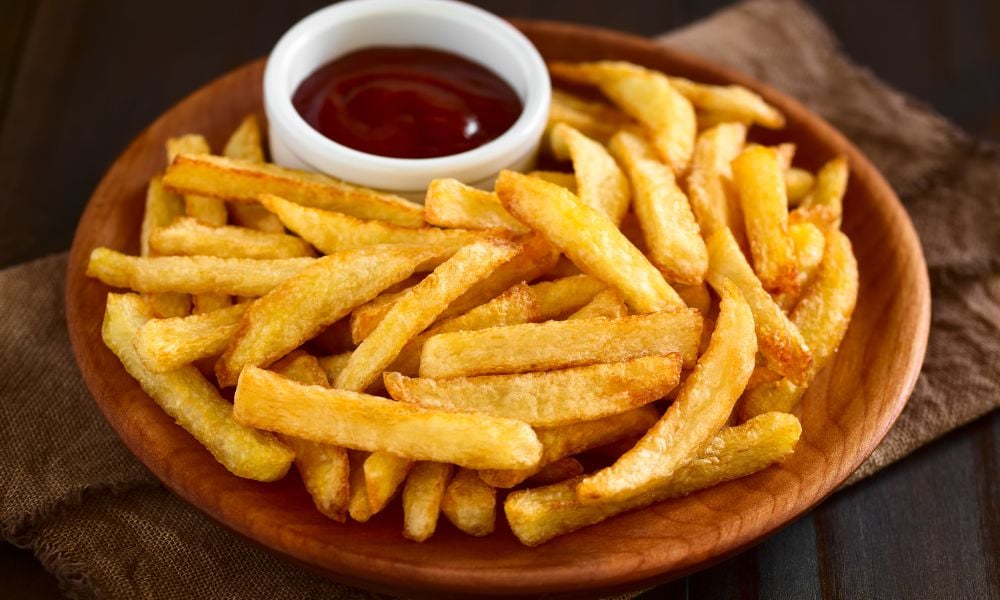
8. Refined Carbohydrates
White bread, pastries, and white rice can cause blood sugar spikes and contribute to weight gain.
9. Alcohol
Alcohol may disrupt thyroid hormone production and interfere with liver function, which plays a role in hormone conversion.
10. Bananas in Excess
While bananas are nutritious, excessive intake may contribute to blood sugar fluctuations in some individuals.
11. Certain Beans and Legumes
Some legumes, including soybeans and lima beans, may affect thyroid hormone absorption when consumed in large quantities.
12. Ice Cream
High in sugar and dairy, ice cream may increase inflammation and digestive discomfort.
13. Pastries and Cakes
These foods combine refined flour and sugar, contributing to inflammation and weight gain.
14. High-Gluten Pasta
Wheat-based pasta may worsen inflammation in people sensitive to gluten.
15. Honey in Excess
Although natural, honey still contains sugar and can cause blood sugar spikes when overconsed.
16. Beer and Spirits
Alcoholic beverages can impair thyroid hormone balance and liver function.
17. Candy
Candy provides little nutritional value and contributes to inflammation and unstable blood sugar.
18. Sweetened Coffee Drinks
Flavored lattes and sugary coffee beverages can significantly increase daily sugar intake.
19. Corn Syrup and Sugary Condiments
Many sauces and dressings contain high-fructose corn syrup, adding hidden sugar to the diet.
Why This Matters
For individuals with hypothyroidism or autoimmune thyroid conditions:
-
Certain foods may interfere with hormone production
-
Some reduce medication absorption
-
Others worsen inflammation and symptoms
A balanced, anti-inflammatory diet may help support energy levels, weight management, and overall well-being.