For centuries, traditional healers across Asia, South America, and parts of Africa have relied on a small but powerful herb commonly known as “stone breaker.” Scientifically referred to as Phyllanthus niruri, this plant has earned its nickname because of its long-standing use in supporting kidney and urinary tract health, particularly in cases involving kidney stones.
While ancient herbal systems praised its benefits long before laboratory research existed, modern science has begun examining the plant more closely. Today, stone breaker stands at the intersection of traditional wisdom and scientific investigation.
A Historical Perspective
In Ayurvedic medicine, stone breaker has been used for thousands of years under the name Bhumi Amla. Traditional practitioners believed it supported:
-
Kidney and bladder health
-
Liver function
-
Digestive balance
-
Detoxification
Similarly, in South American herbal traditions, the plant was used to promote urinary flow and ease discomfort associated with kidney stones.
Its reputation spread globally due to anecdotal reports of individuals passing kidney stones more easily after consuming herbal preparations made from this plant.
What Is Stone Breaker?
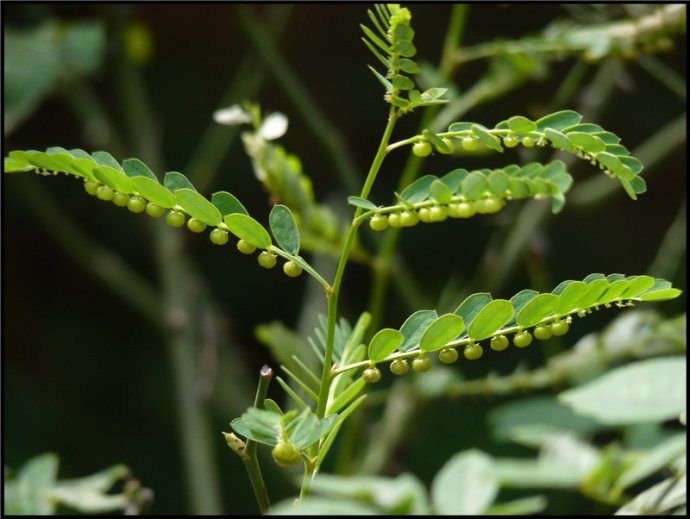
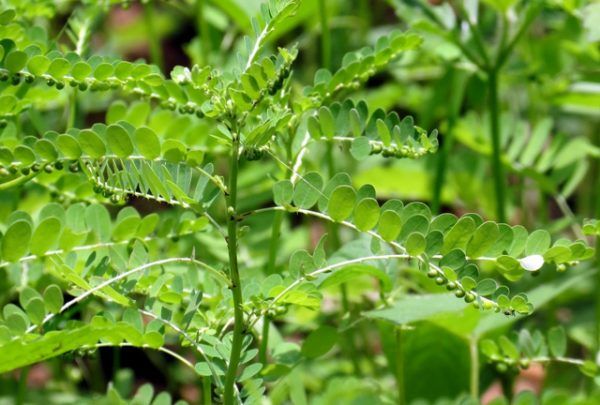
Stone breaker (Phyllanthus niruri) is a small, tropical plant that grows in warm climates. It is often found in regions of India, Brazil, Peru, and Southeast Asia.
The entire plant — including leaves, stems, and roots — is traditionally used for medicinal preparations, typically in the form of:
-
Herbal teas
-
Liquid extracts
-
Capsules or powdered supplements
Its active compounds include:
-
Phyllanthin
-
Hypophyllanthin
-
Flavonoids
-
Alkaloids
-
Tannins
These natural compounds are believed to contribute to its therapeutic effects.
Scientific Research and Kidney Stone Support
Modern research has focused primarily on stone breaker’s potential role in kidney stone prevention and management.
Kidney stones form when minerals — most commonly calcium oxalate — crystallize in the urinary tract. Some laboratory and clinical studies suggest that compounds in Phyllanthus niruri may:
-
Inhibit crystal formation
-
Reduce stone size
-
Prevent crystals from sticking together
-
Increase urine output
By promoting urinary flow and reducing mineral aggregation, the herb may help lower the risk of stone development.
While results are promising, researchers emphasize that stone breaker should not replace medical treatment for large or obstructive stones. Instead, it may serve as supportive therapy under medical supervision.
Liver Health Benefits
Beyond kidney support, stone breaker has also been studied for potential liver-protective properties.
Some research indicates that its antioxidant compounds may help:
-
Reduce oxidative stress in liver cells
-
Support liver enzyme balance
-
Protect against certain toxins
These findings align with its traditional use in herbal systems for maintaining liver function.
However, further large-scale human studies are needed to confirm long-term effects.
Anti-Inflammatory and Antioxidant Effects
Chronic inflammation and oxidative stress contribute to many health conditions. Stone breaker contains plant compounds with antioxidant activity that may help neutralize free radicals.
Laboratory studies suggest potential anti-inflammatory effects, though human clinical evidence remains limited.
Blood Sugar and Metabolic Research
Preliminary research has explored stone breaker’s possible influence on blood sugar regulation. Some small studies suggest it may:
-
Support glucose balance
-
Improve insulin sensitivity
However, individuals with diabetes should never substitute prescribed medications with herbal remedies without consulting healthcare professionals.
Safety and Considerations
Although generally considered safe when used appropriately, stone breaker may not be suitable for everyone.
Potential considerations include:
-
Possible interaction with blood pressure medications
-
Effects on blood sugar levels
-
Increased urination
-
Digestive discomfort in some individuals
Pregnant or breastfeeding individuals should avoid use unless advised by a healthcare provider.
As with any herbal supplement, quality and dosage matter. Products should be sourced from reputable manufacturers.
Traditional Knowledge Meets Modern Evidence
Stone breaker represents an example of how traditional medicine can inspire scientific exploration. For centuries, its reputation was built on observation and practical experience. Today, laboratory research and clinical trials are beginning to validate some of those traditional claims.
However, it is important to distinguish between supportive evidence and definitive proof. While research is encouraging, stone breaker is not a miracle cure.
Final Thoughts
Stone breaker has traveled a long path — from ancient herbal traditions to modern scientific study. Its potential role in supporting kidney health, liver function, and antioxidant protection has attracted global interest.
While more rigorous research is needed, the herb stands as a compelling example of how traditional plant medicine can gain recognition through scientific inquiry.
Anyone considering stone breaker for health support should consult a qualified healthcare provider to ensure safe and appropriate use.
In the evolving dialogue between traditional healing and modern medicine, stone breaker remains a fascinating and promising plant — rooted in history and increasingly examined through the lens of science.