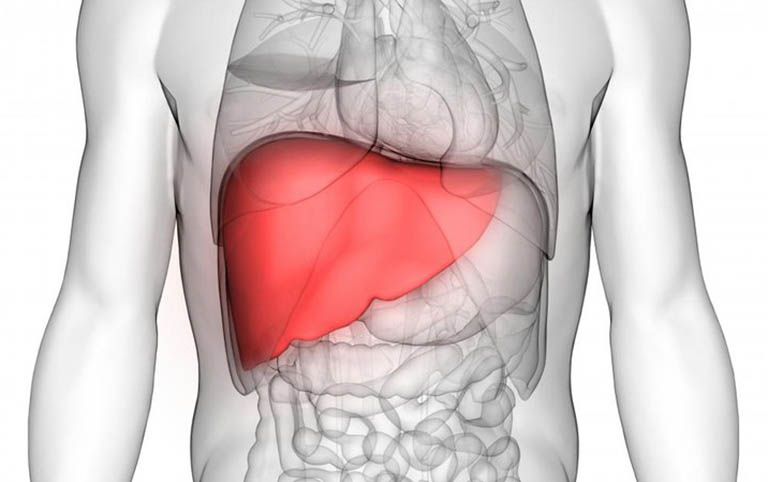
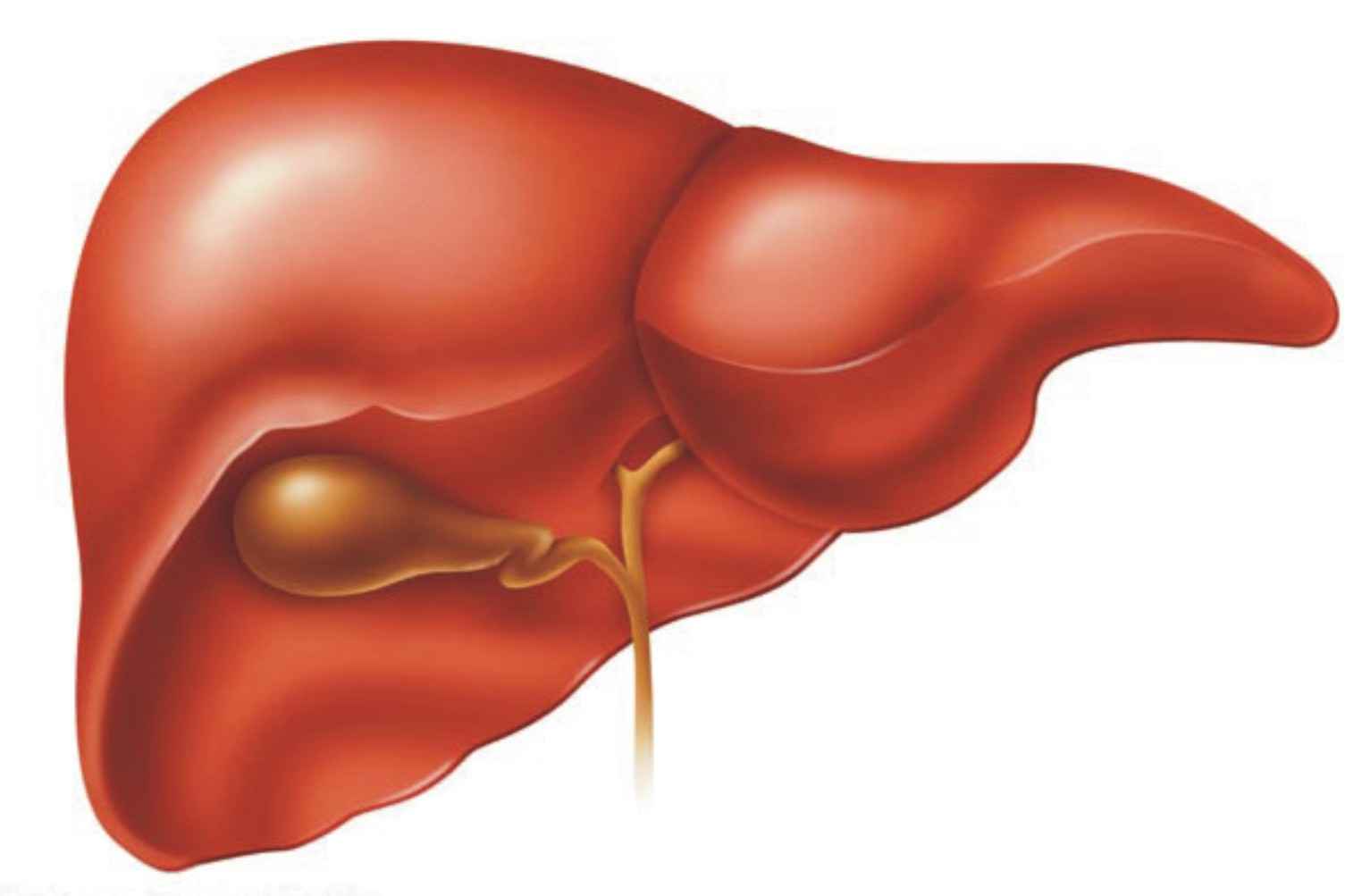
The liver is one of the most resilient and hardworking organs in the human body. Every day — and every night — it filters toxins from the bloodstream, metabolizes nutrients, regulates blood sugar, stores essential vitamins, produces bile for digestion, balances hormones, and processes medications. Unlike many organs, it performs these tasks quietly and continuously, without pause.
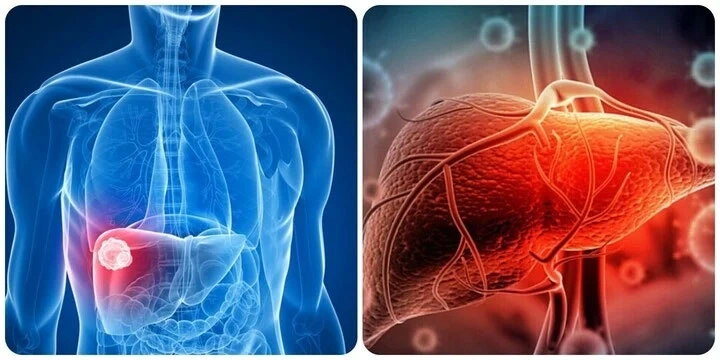
What makes liver problems particularly dangerous is their silence. The liver can endure stress for years before obvious symptoms appear. By the time clear warning signs develop, damage may already be advanced. Even more concerning, liver overload rarely happens because of one dramatic mistake. Instead, it is often the result of small, everyday habits that accumulate gradually.
Understanding these silent stressors is the first step toward protecting long-term liver health.
Everyday Habits That Slowly Overwork the Liver
1. Excess Sugar and Refined Carbohydrates
One of the most underestimated threats to liver health is excess sugar — especially from refined carbohydrates. When you consume more sugar than your body can immediately use for energy, the liver converts the surplus into fat. Over time, this process may contribute to non-alcoholic fatty liver disease (NAFLD), a condition that is increasingly common worldwide.
Hidden sugar sources include:
-
Sweetened beverages
-
Packaged snacks
-
White bread and pastries
-
Sweet sauces and condiments
-
Flavored yogurts
Even individuals who rarely eat desserts may overload their liver through frequent blood sugar spikes caused by refined grains and processed foods.
2. Eating Late at Night
The liver follows a natural rhythm. During sleep, it shifts its focus toward detoxification and repair. Regularly eating heavy meals late at night forces the liver to prioritize digestion instead of restoration.
Over time, this pattern may:
-
Disrupt metabolism
-
Increase fat storage in the liver
-
Interfere with hormone regulation
For individuals with irregular sleep schedules, late-night eating compounds the strain.
3. Overuse of Painkillers and Medications
The liver metabolizes most medications, including common over-the-counter pain relievers such as acetaminophen and anti-inflammatory drugs. While safe when used appropriately, frequent or long-term use — even at recommended doses — can burden liver detox pathways.
Potential consequences include:
-
Increased inflammation
-
Accumulated cellular stress
-
Higher risk when combined with alcohol
Medication safety is often underestimated simply because the drugs are easily accessible.
4. Chronic Dehydration
Water is essential for efficient detoxification. When hydration levels are low, the liver must filter waste with less support.
Chronic dehydration may:
-
Slow toxin elimination
-
Reduce bile production
-
Impair digestion
Many people rely on thirst as a signal to drink water, but thirst already indicates early dehydration.
5. Regular Alcohol Consumption
Alcohol is processed almost entirely by the liver. While occasional intake may not cause immediate harm, consistent drinking — even in moderate amounts — gradually damages liver cells.
Long-term alcohol exposure may lead to:
-
Fatty liver
-
Inflammation
-
Fibrosis (scarring)
The liver has remarkable regenerative capacity, but repeated exposure reduces its ability to recover fully.
6. Sedentary Lifestyle
Physical inactivity contributes indirectly but significantly to liver overload. A sedentary lifestyle increases the risk of:
-
Obesity
-
Insulin resistance
-
Elevated triglycerides
All of these factors promote fat accumulation in the liver. Even individuals who eat relatively well may develop liver issues if they remain inactive for extended periods.
7. Chronic Stress and Poor Sleep
Persistent stress elevates cortisol levels, disrupting blood sugar control and fat metabolism. Over time, this hormonal imbalance places additional strain on liver function.
Sleep deprivation worsens the issue by:
-
Limiting repair time
-
Increasing inflammation
-
Disrupting detox cycles
Together, stress and inadequate sleep form a powerful but often overlooked burden.
8. Frequent Processed Food Consumption
Ultra-processed foods contain preservatives, additives, artificial coloring, and unhealthy fats that require additional detoxification.
Regular intake may:
-
Increase oxidative stress
-
Promote chronic inflammation
-
Accelerate metabolic fatigue
The more chemically complex the diet, the harder the liver must work.
9. Neglecting Gut Health
The gut and liver are closely connected through what is known as the gut-liver axis. An imbalanced gut microbiome allows toxins and inflammatory compounds to enter the bloodstream more easily, forcing the liver to filter them.
Poor gut health may:
-
Worsen fatty liver
-
Increase inflammation
-
Slow detoxification
Low fiber intake, excessive antibiotics, and processed diets contribute significantly to this imbalance.
Subtle Signs of an Overworked Liver
Because the liver is resilient, early symptoms are often vague. Possible subtle indicators include:
-
Persistent fatigue
-
Digestive discomfort or bloating
-
Unexplained weight gain
-
Brain fog
-
Dull skin or acne
-
Mild discomfort in the upper right abdomen
These signs are frequently dismissed as stress-related, allowing strain to continue unnoticed.
How to Prevent Liver Overload Naturally
Supporting liver health does not require extreme detox programs. In fact, drastic cleanses are rarely necessary. Sustainable daily habits are far more effective.
1. Choose a Liver-Supportive Diet
Prioritize:
-
Leafy greens
-
Cruciferous vegetables (broccoli, cauliflower)
-
Antioxidant-rich fruits
-
Whole grains
-
Lean proteins
-
Healthy fats
Limit added sugars, refined carbs, fried foods, and processed meats.

2. Stabilize Blood Sugar
-
Read labels for hidden sugars
-
Combine carbohydrates with protein or fiber
-
Avoid sugary drinks
-
Reduce late-night snacking
Stable glucose levels protect against fat buildup.
3. Stay Hydrated
-
Drink water consistently
-
Increase intake during exercise or heat
-
Avoid relying solely on thirst cues
Proper hydration supports bile flow and toxin removal.
4. Limit Alcohol
-
Avoid daily drinking
-
Schedule alcohol-free days
-
Never mix alcohol with medications
Rest periods allow the liver to regenerate.
5. Maintain Healthy Weight
Even a 5–10% reduction in body weight can significantly decrease liver fat in overweight individuals. Avoid crash diets, which can temporarily worsen liver stress.
6. Exercise Regularly
Aim for at least 150 minutes of moderate activity per week. Strength training further improves insulin sensitivity and metabolic health.
7. Use Medications Responsibly
-
Follow dosage guidelines
-
Avoid unnecessary supplements
-
Consult healthcare providers before combining medications
8. Support Gut Health
-
Increase fiber intake
-
Include fermented foods
-
Avoid unnecessary antibiotics
A balanced microbiome reduces inflammatory load.
9. Prioritize Sleep and Stress Management
-
Maintain consistent sleep schedules
-
Aim for 7–8 hours nightly
-
Practice relaxation techniques
Much of the liver’s repair activity occurs during restful sleep.
10. Schedule Regular Checkups
Routine blood tests can detect early liver enzyme changes before symptoms develop. Early intervention significantly improves outcomes.
Final Thoughts
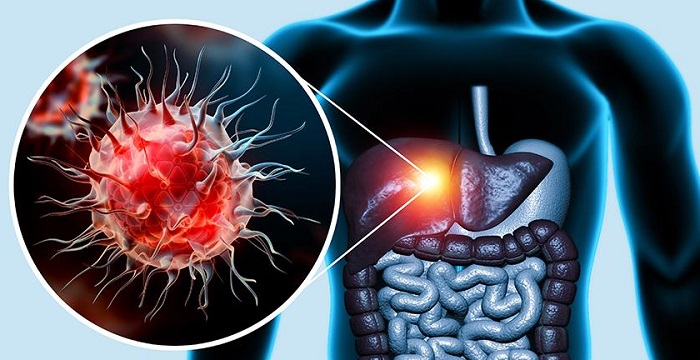
The liver works quietly and tirelessly, often without recognition. Modern lifestyles — though seemingly harmless — can gradually overload this essential organ through accumulated habits.
Protecting liver health is not about quick detoxes or dramatic changes. It is about steady, mindful choices: balanced nutrition, hydration, movement, rest, and moderation.
When you reduce daily stressors and support the body consistently, you allow the liver to do what it is designed to do — protect, regulate, repair, and sustain your long-term health.
A healthy liver is more than the absence of disease. It is the foundation of energy, metabolism, clarity, and overall well-being.